

Politics

Share
Published 19:11 21 Aug 2026 BST
Updated 19:11 21 Aug 2026 BST
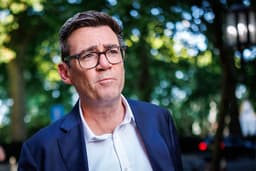
Carpe Diem - Seize the day, or in Andy Burnham's case, seize the day, month and three years he gets in his turn as prime minister.
It has been just over a month since Andy Burnham replaced Keir Starmer as leader of the Labour party and the United Kingdom, and it would be tough for even his staunchest of denouncers to deny his proactiveness.
Like the symbolic bug of the city where he was mayor for almost a decade, Andy Burnham has been a rather busy bee - tackling everything from rough sleeping to business rates to the cost of living and beyond.
With so much happening, it's hard to keep up with all this 'getting stuff done' that's brought a breath of fresh air to a stifling Britain.
Unless, of course, you are a keen watcher of Burnham's weekly updates on social media, in which he explains what he's been up to - a key difference between himself and Keir Starmer - you might not be aware of everything he's done since he took up shop in both No10s (spoiler).
We've collated everything he's done and it's all sourced with links to official government documentation - we do spoil you.
So without further ado, let's rewind a month to 20 July and the formation of the Burnham government.
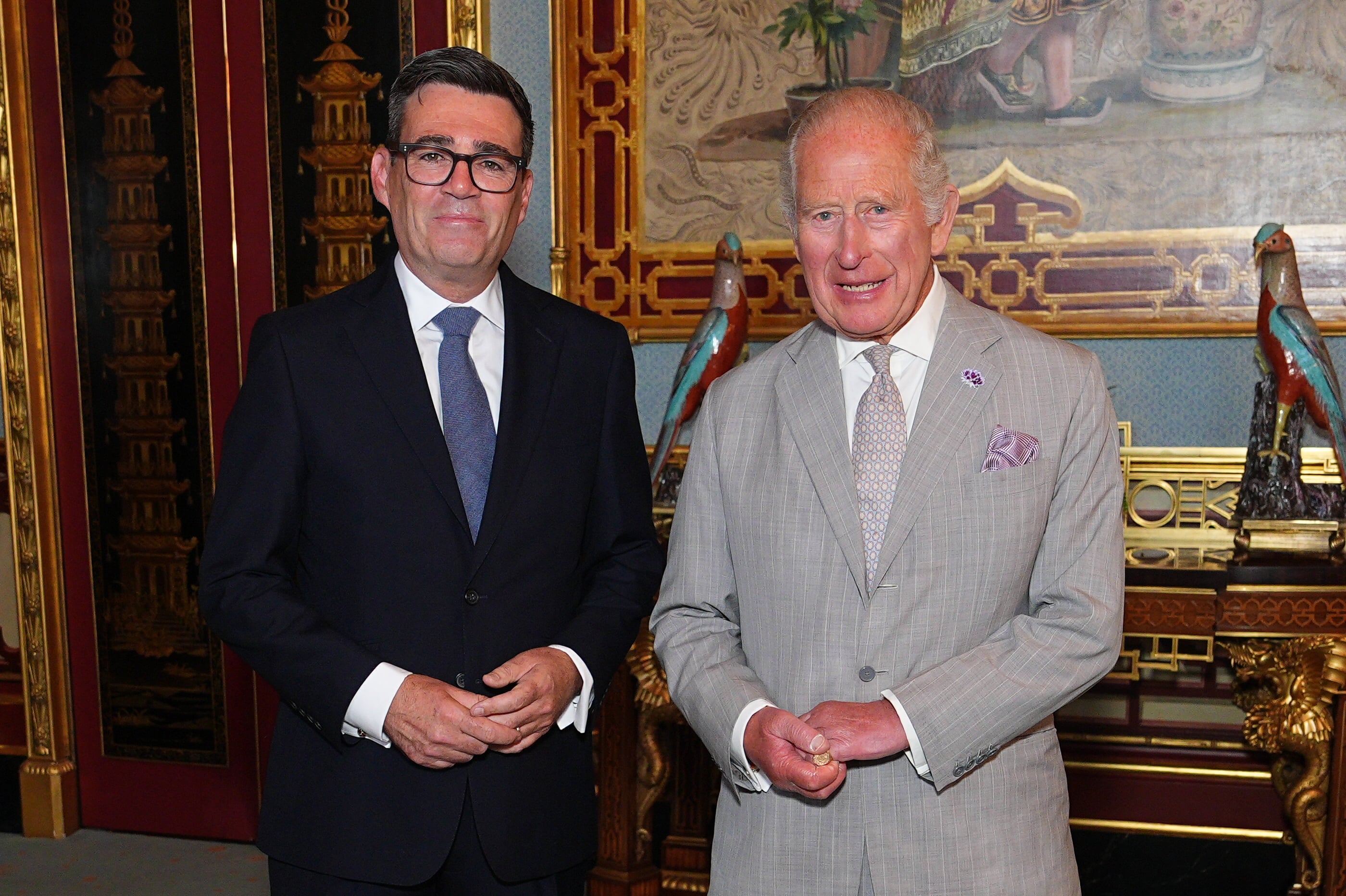
King Charles III asks Andy Burnham to form a government. Credit: Getty.
On his inauguration day, Andy Burnham gave his first speech in which he started his premiership with three major pledges:
End rough sleeping: Burnham pledged to put an end to rough sleeping in the UK, something which would crop up again later as a scheme to get everyone off the streets by Christmas.
Reindustrialisation and 'growth in every postcode': The PM set out his central economic approach of reindustrialising Britain and using public procurement to support British industry and jobs. He would double down on this commitment a few days later in a visit to Scotland.
Decentralisation and No10 North: The announcement of No10 North was perhaps one of his most eye-catching moves, bringing the promise of decentralisation which would support his 'growth in every postcode' pledge.
Minister for AI: During Burnham's cabinet reshuffle, he introduced for the first time a 'minister for AI', a role currently held by Kanishka Narayan.
VAT scrapped on electricity bills: It was decided that the government would scrap VAT on household electricity from 1 October 2026, a move that, despite only saving the average household around £45 a year, was a sign of intent in tackling the cost of living.
£2 bus-fare cap: Burnham didn't just arrive from Manchester empty handed, he brought his buses with him too, capping single bus fares in England at £2 throughout 2027, with the government saying this will save millions around a third on fares.
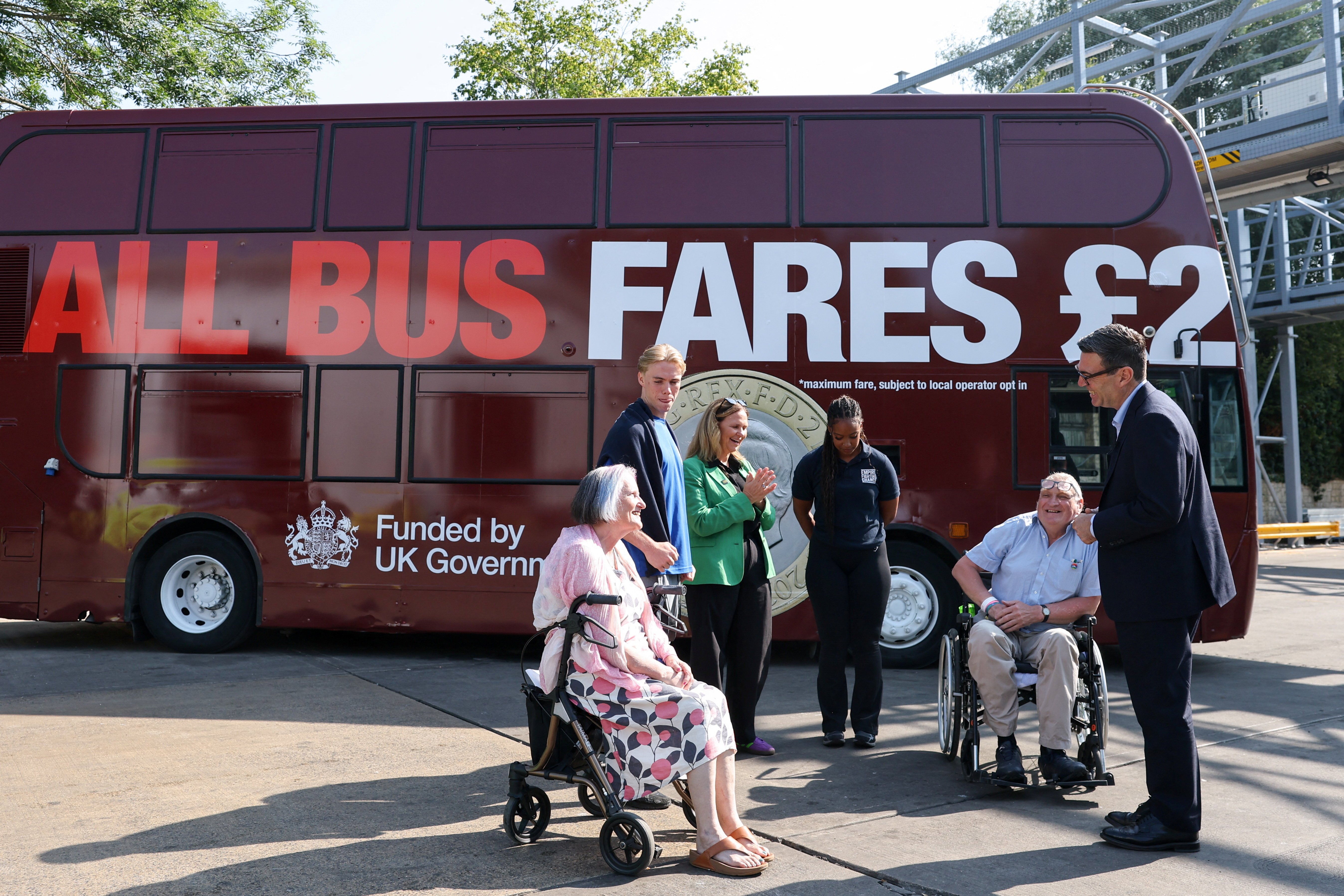
Burnham's buses. Credit: Getty.
20% business-rates cut: Pubs, social clubs and live-music venues in England also benefited from the Burnham bounce' receiving a further 20% reduction in business rates from April 2027. The cut is expected to save venues around £1,100 on average.
No10 North officially opens: No10 North officially opened for business on Albert Square in Manchester, promising greater national devolution and reviving the National Economic Council in Manchester, bringing ministers and regional mayors together.
AI Taskforce set up: A new taskforce, chaired by Lord Vallance, was established to bring AI closer to the centre of government strategy, transform public services and drive economic growth.
Technical education from age 14 and 'valuing the hard hat as much as the graduation cap': New technical pathways will allow 14-year-olds to combine academic subjects with technical education, skills training, work experience and connections with local employers.
Furthermore, Burnham committed to making technical routes as highly and equally regarded as academic ones. This was to be facilitated by Ofsted school inspections taking greater account of the quality of technical education being provided.
Youth apprenticeships: A wider package is to provide free apprenticeship training for eligible under-25s, up to £8,000 support for SMEs hiring young apprentices, and NICs relief for apprentices under 25, with an objective of 50,000 new youth apprenticeships. The National Grid quickly jumped onto the train, announcing a £5m programme to help 5,000 young people into work.
National Care Service: This is one of the big ones. Andy Burnham committed to developing a National Care Service in England which would be integrated closely with the NHS and could completely transform how social care is viewed and provided in the UK.
It also carries the potential to reform council spending through creating new sources of funding with one idea floated being a new type of tax.
This also included bringing forward the Casey review by a year.
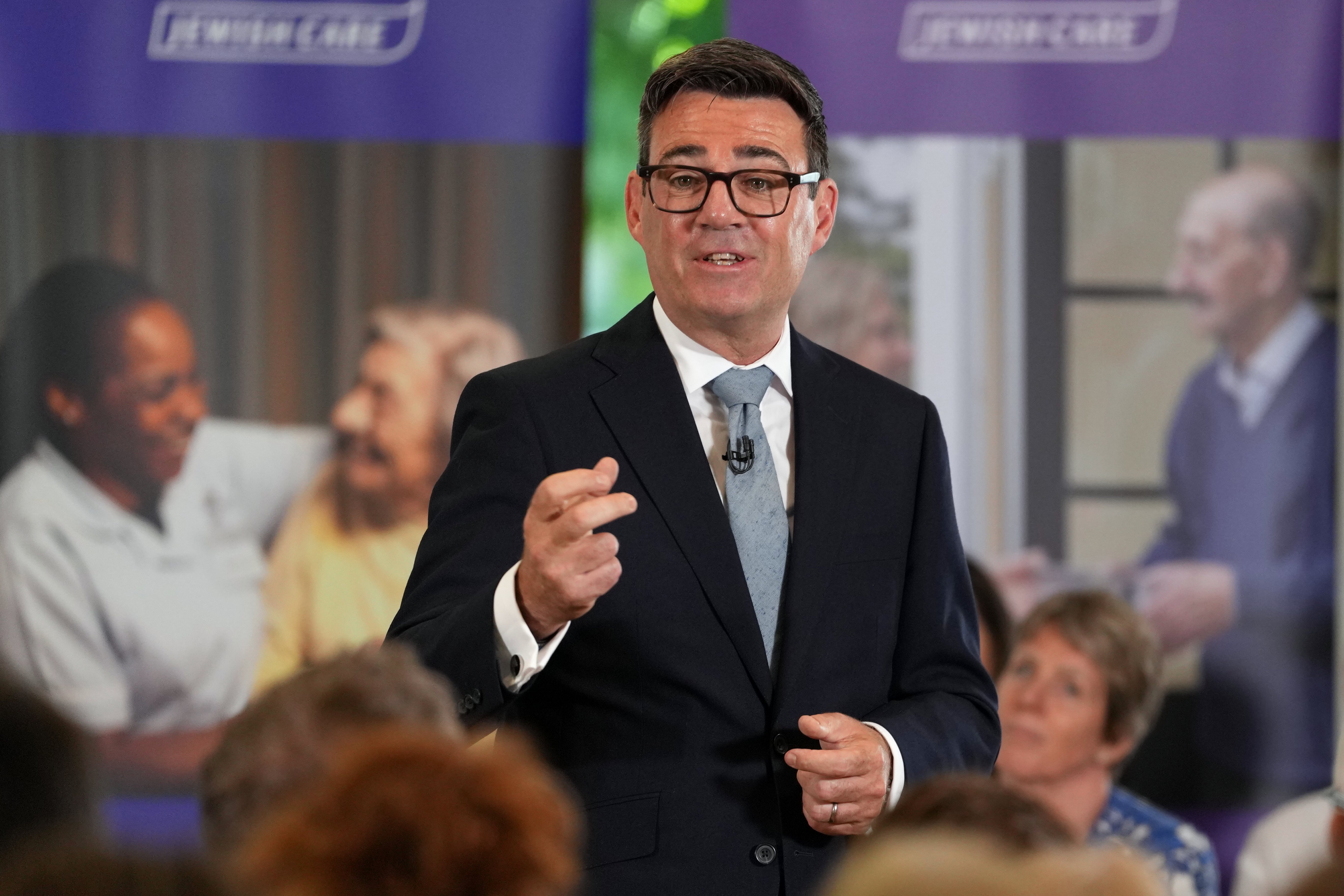
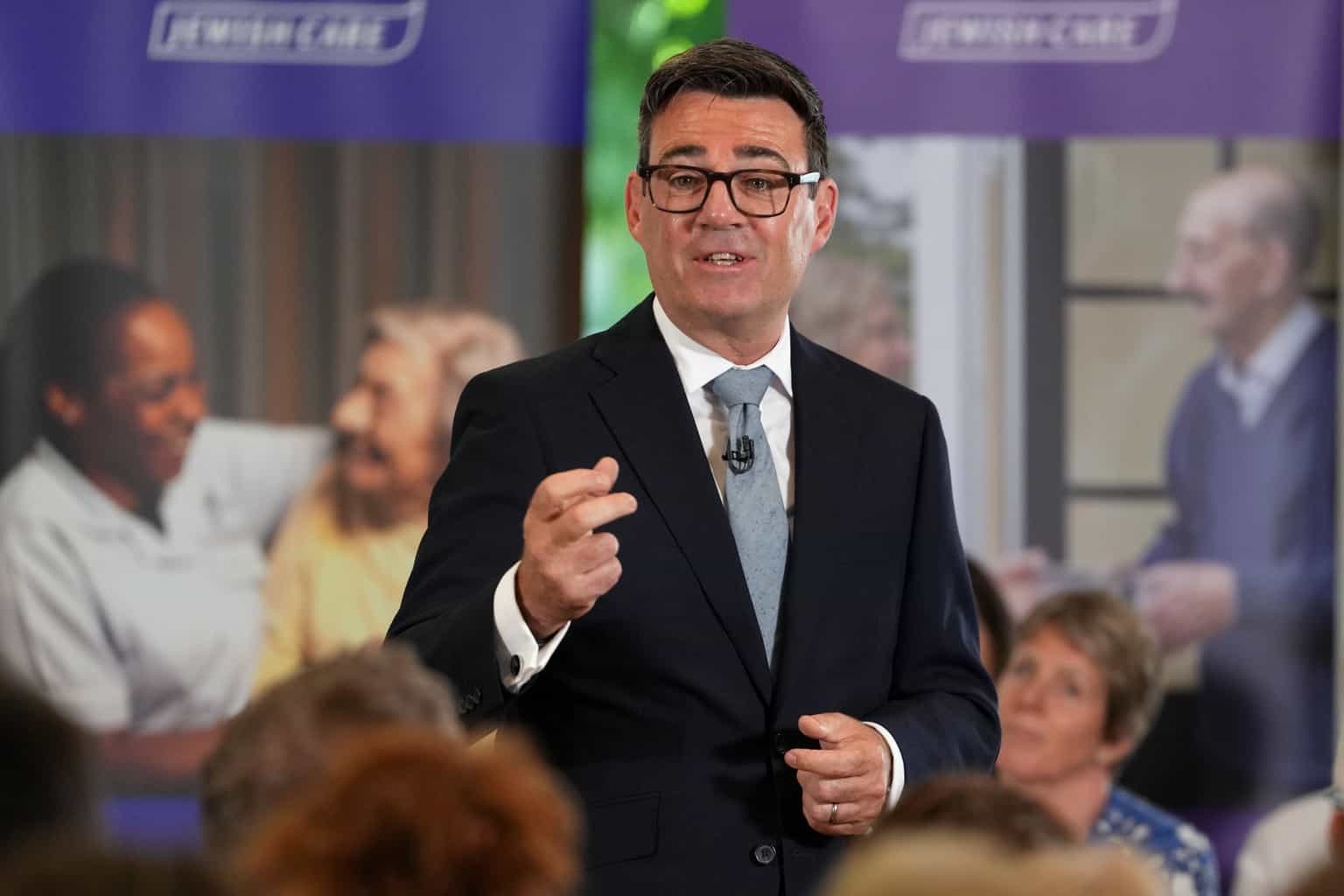
Burnham visits a care home as he delivers a speech on reform to care in the UK.
All this was followed by a speech in which Burnham said there would be work on bringing better pay, training, job security and integration between NHS and social care services. He also invited the main opposition parties to participate in discussions on social-care reform.
Further devolution with major transfer of power to mayors: In another big move, Burnham announced that mayors would retain a share of income-tax and business-rates revenues generated in their areas to prevent money being drained out of certain areas to support others.
Furthermore, mayors and certain authorities would receive greater control over local transport, housing, planning and economic development. Places without mayors currently would also be receiving new powers to help develop devolution nationwide.
£8.4bn nuclear submarine investment: Burnham committed £8.4bn to the next stage of Britain's nuclear-deterrent submarine programme, supporting around 22,000 apprenticeships by 2035 and tens of thousands of jobs.
Rape, serious child-sex and grooming offences excluded from sentencing changes: Burnham announced that these offences would not receive the reductions in custodial sentences being introduced under the new sentencing progression model, including the early release scheme.
However, this did bring about controversy later when it was announced that the convicted killers of PC Harper would not be exempt from the early release scheme.
Tougher supervision: The government announced longer supervision periods, a presumption of electronic tagging and restriction zones for offenders.
GPS monitoring for rapists: New GPS monitoring is being introduced to restrict offenders' movements after release.
£10m extra victim support: Additional funding was announced for trauma-focused frontline support, alongside a dedicated victim helpline.
£343m mental-health investment: Up to 159 new NHS mental-health facilities are set to be opened across England, including 100 community mental-health centres with walk-in support and 59 dedicated mental-health emergency departments. The first facilities should begin opening from autumn of this year.
Banning of misleading discounts and help with tricky subscriptions: Further cost of living measures were introduced with Burnham fast-tracking plans already in place to tackle subscription traps which are notoriously hard to exit as well as banning retailers using misleading and inflated 'discounts'.
Measures include more alerts and warnings for subscriptions as well as a 14-day cooling off period for subscriptions that automatically renew. The subscription rules should be in place by the start of next year.
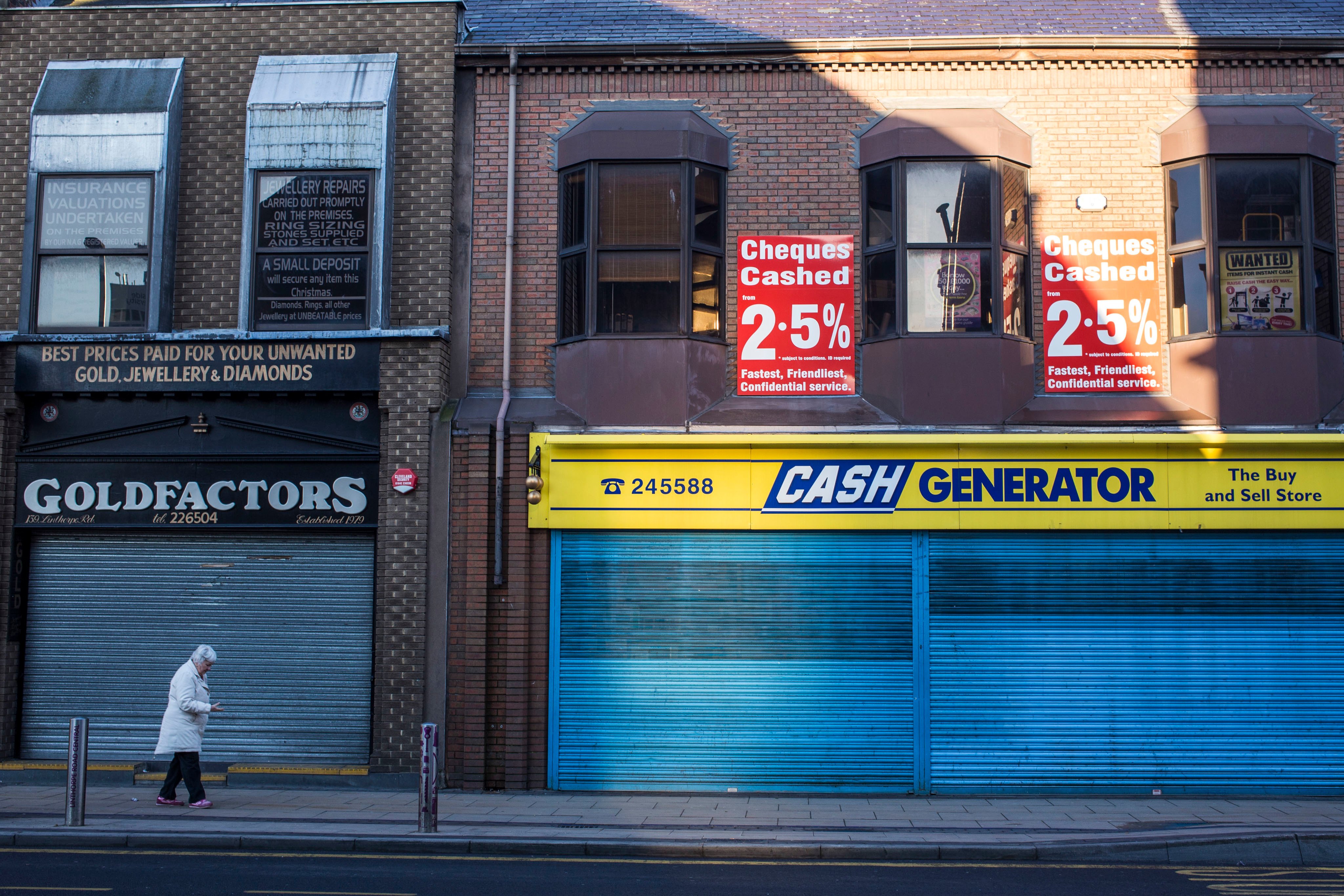
Saving the 'hollowed out high street': By early August, Burnham had turned his attention to the high street. He introduced new planning requirements for proposed vape shops so councils can have a say over where they open.
He also announced his intention to scrap the Gambling Act's 'Aim to Permit' rule, giving councils greater ability to reject new betting shops where there are local concerns. In the same realm, new planning permission requirements were announced for adult gaming centres.
Burnham wants to revive the British high street. Credit: Getty.
Burnham also announced longer closure orders for 'dodgy businesses' linked to crime, extending them from 6 to 12 months, including a £30m enforcement package.
There are also general plans for the government to work with councils on shopfront design to create more visually appealing town centres.
£65m support for farmers: As Britain sweltered under the latest heatwave, additional money was announced to help farmers cope with the drought and exceptionally dry conditions along with measures to give farmers greater flexibility around environmental schemes and water use during drought.
24/7 free bus travel for eligible disabled people in England: Since the start of this week, Burnham has announced that from 1 April 2027, time restrictions on disabled concessionary bus passes will be removed nationwide with £60m of funding backing the change sourced from the DWP and Department of Transport.
£442m national rough-sleeping programme: Coming back to the rough-sleeping matter which is clearly close to Burnham's heart, the PM launched the 'get everyone in for Christmas' initiative, with the objective of ensuring everyone sleeping rough has a route off the streets by Christmas.
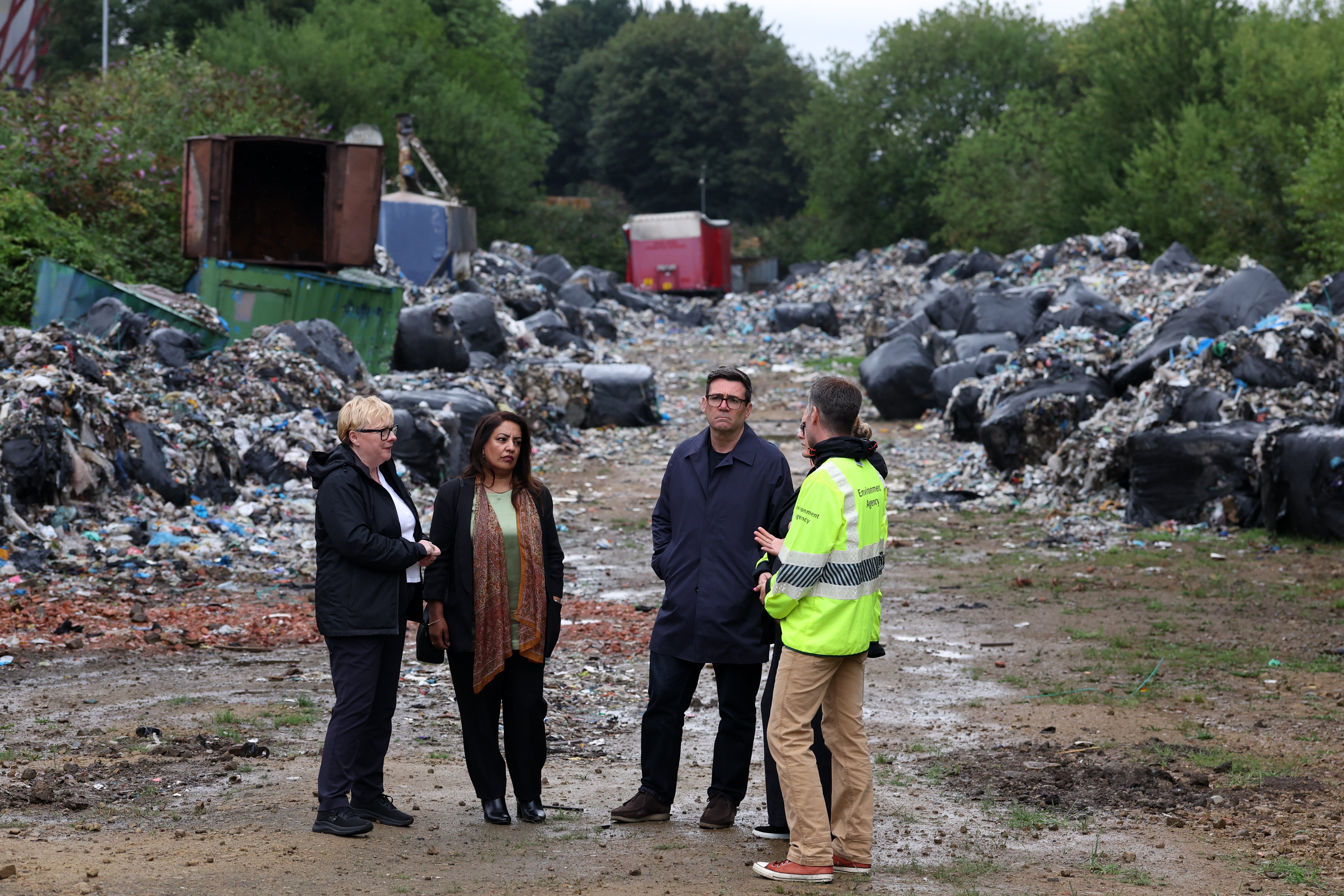
Tackling illegal waste: In the last few days, Burnham has been taking on illegal waste, ordering a new cross-government enforcement programme against illegal waste sites with more Environment Agency officers to be deployed and increased police and NCA involvement - including the use of drones.
Fines will be increased for offenders from £300 up to £5,000 and an expanded range of assets that could be seized.
Illegal waste is next on the agenda for Burnham. Credit: Getty.
The scheme will be led locally by regional mayors.
Devolution for days!: In the most recent developments, Burnham announced further devolution on Friday (21 August). This includes mayoral authorities receiving civil servants as Whitehall officials are to be posted in mayoral offices.
These regional authorities are also set to receive greater access to government data as well as greater AI, digital and data capabilities.
Sports regeneration: And finally, in the world of sports, the government is set to work with mayors on sports-led regeneration projects involving jobs, investment and housing.
Quite frankly, I'm knackered writing all that out, so I can't imagine how it must feel for the government getting it all into action.
While, of course, lots of these initiatives and changes were part of larger Labour policy, Burnham is getting them implemented and is letting people know about it too.
So, it seems that most of the nation is happy with all this hope and change, as recent polling suggests, and, while some things may seem smaller than others, or too big tackle without financial explanation, it's just nice to see someone doing something for once.
Explore more on these topics:
Politics
Politics
Politics
Politics
Reform UK wants taxpayers to help pay apprentices’ wages
Reform wants to shake up how young people enter the workforce Reform UK has unveiled plans to put public money towards the wages of younger apprentices, with the party announcing the proposal as thousands of teenagers received their GCSE results. Under the scheme, small and medium-sized businesses would receive a 30% rebate on the wages […]
Politics
1 day ago
Ed Miliband condemns Israel’s ‘unacceptable and destructive’ settlement project
The foreign secretary said the impact of settlements had been “catastrophic” for Palestinian communities. Ed Miliband has condemned Israel for an “unacceptable and destructive” settlement project in the West Bank. This week, the Israeli government opened up tenders for the construction of a some 1,200 settlement homes on the so-called E1 area of the West Bank. The […]
Politics
1 day ago
Disabled bus pass time limits scrapped across England from April
Politics