







Entertainment

Share
Published 16:02 16 Nov 2026 GMT
Updated 16:03 16 Nov 2026 GMT
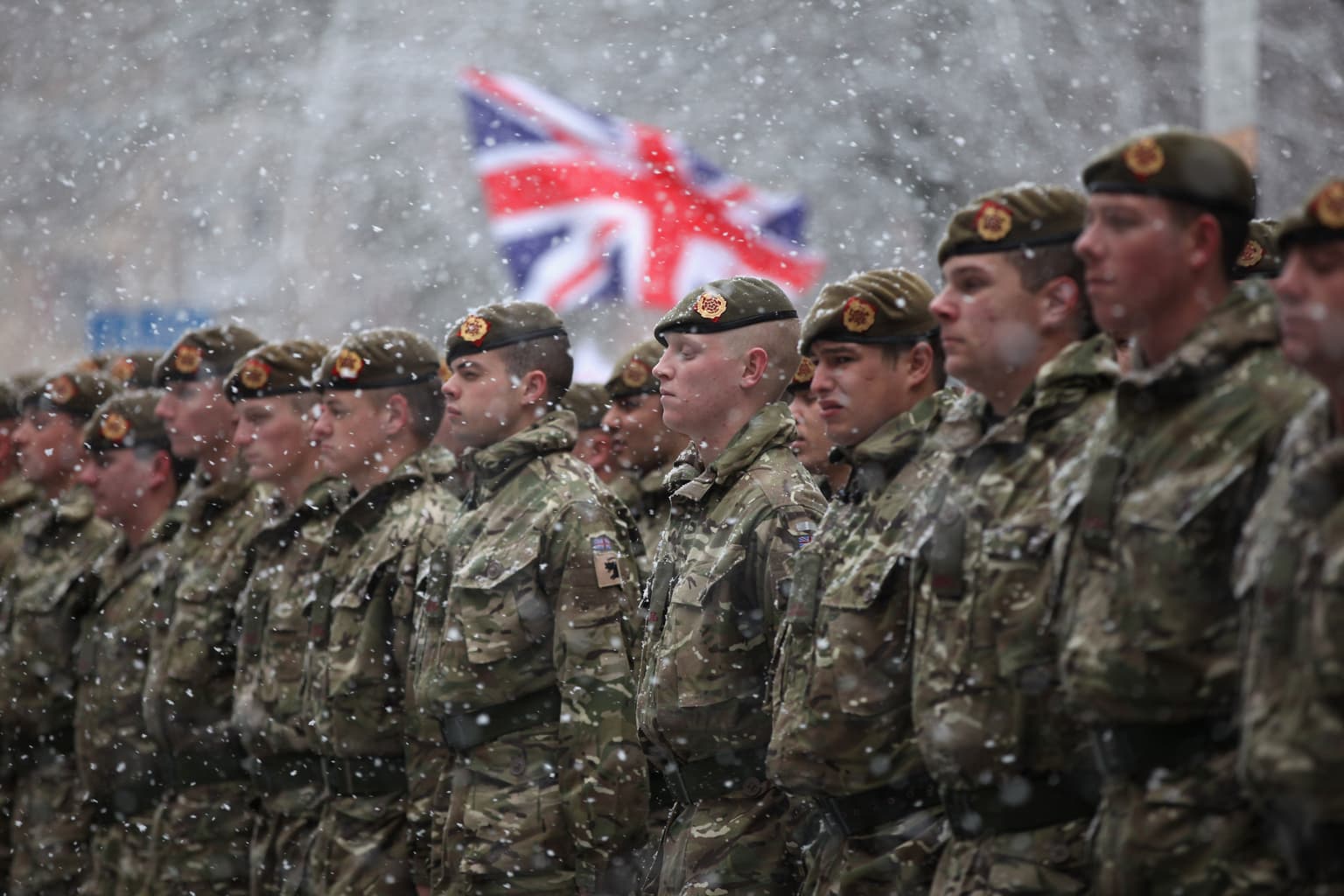
If you're young, unemployed and wondering what to do next, a group of peers has a suggestion.
How about spending a gap year in the Armed Forces to help your country prepare for war?
That's one of the recommendations in a new report from the House of Lords National Resilience Committee, which warns that Britain is dangerously underprepared for major emergencies.
The committee says young people who are not in education, employment or training, commonly known as NEETs, should be encouraged to consider military service.
With around one million young people in that category across the UK, peers believe some could help strengthen the Army Reserve and provide extra personnel if Britain became involved in a major conflict.
The UK has already introduced a military gap year programme for school leavers, but the committee wants opportunities extended to unemployed young people.
And the recommendations don't stop there.
According to the report, "Are we ready? Building a culture of resilience", schools should do more to prepare children for emergencies.
That includes teaching practical skills such as first aid, CPR, survival techniques and household emergency planning.
Pupils could also learn what supplies families should keep at home in case of prolonged power cuts, flooding or other disasters.
The recommendations follow a nine-month inquiry into Britain's ability to respond to serious national emergencies.
And the committee's findings make for uncomfortable reading.
Peers warned that the UK is too complacent about threats ranging from cyberattacks to military conflict, particularly amid growing tensions with countries including Russia, China and Iran.
They also raised concerns about the country's reliance on overseas supply chains for essential medicines and other goods.
One of the committee's biggest concerns is how quickly a single incident could trigger a much wider crisis.
Committee chair Baroness Coussins warned: "A cyber-attack can quickly morph into a power cut, then a shutdown of transport, then empty food shelves in the shops."
She also pointed out that around 95% of food sold in the UK passes through just nine retailers, highlighting how concentrated the country's food supply system has become.
The report argues that ministers need to be more open with the public about the threats Britain faces.
It states: "The Government should stop being squeamish about telling it straight to the public about the kind of threats we face."
The committee is calling for urgent action from Prime Minister Andy Burnham's government to improve the country's readiness.
And if all this talk of war and national emergencies has you wondering how safe your area really is, a new interactive doomsday map lets you check how your postcode might fare in a major catastrophe.
Explore more on these topics:

Robert Pattinson announced as the new James Bond
Entertainment

Entertainment

Entertainment

Entertainment
Inside the low-security prison where Russell Brand will see out 10-year rape sentence
He was nearly sent to a prison dubbed a ‘Monster Mansion’ Disgraced comedian Russell Brand has reportedly been moved to a low-security prison after he was sentenced to more than 10 years in prison for rape and sexual assault. On Friday, 13 November, the actor was transferred to HMP Littlehey in Cambridgeshire, England. As The […]
Entertainment
1h
Downing Street says ‘urgent investigation’ launched into Russell Brand’s message from prison
‘Prisoners cannot get around these rules by having someone else publish their comments.’ Downing Street has said that an “urgent investigation” has been launched into the message Russell Brand shared from prison. On Sunday, Brand’s wife Laura Gallacher revealed that Russell Brand had issued a message from prison, after he was jailed for ten and […]
Entertainment
3h
Entertainment
US flight mayhem continues as result of nationwide shutdown
Entertainment