




News

Share
Published 17:57 29 Sept 2026 BST
Updated 17:57 29 Sept 2026 BST
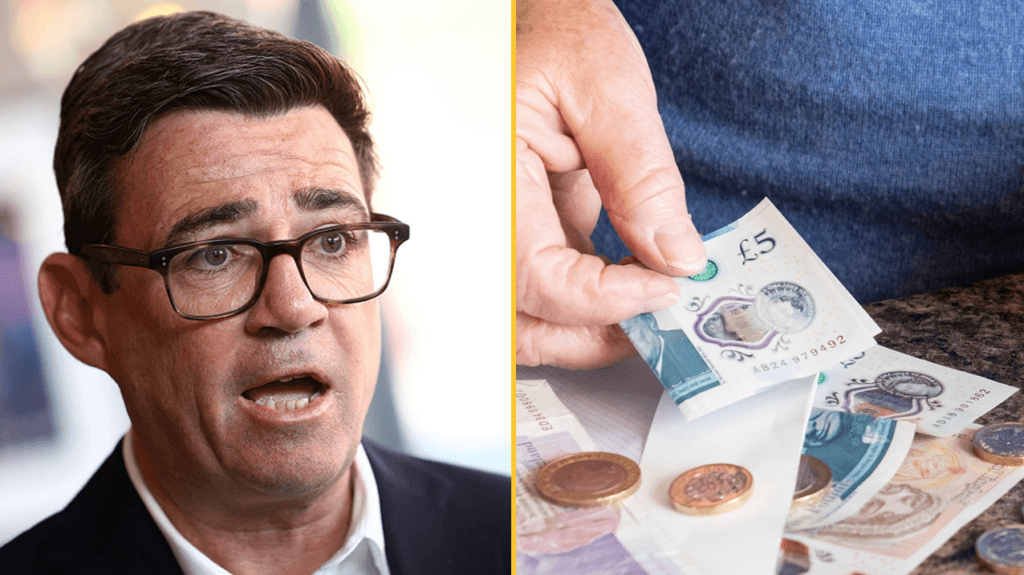
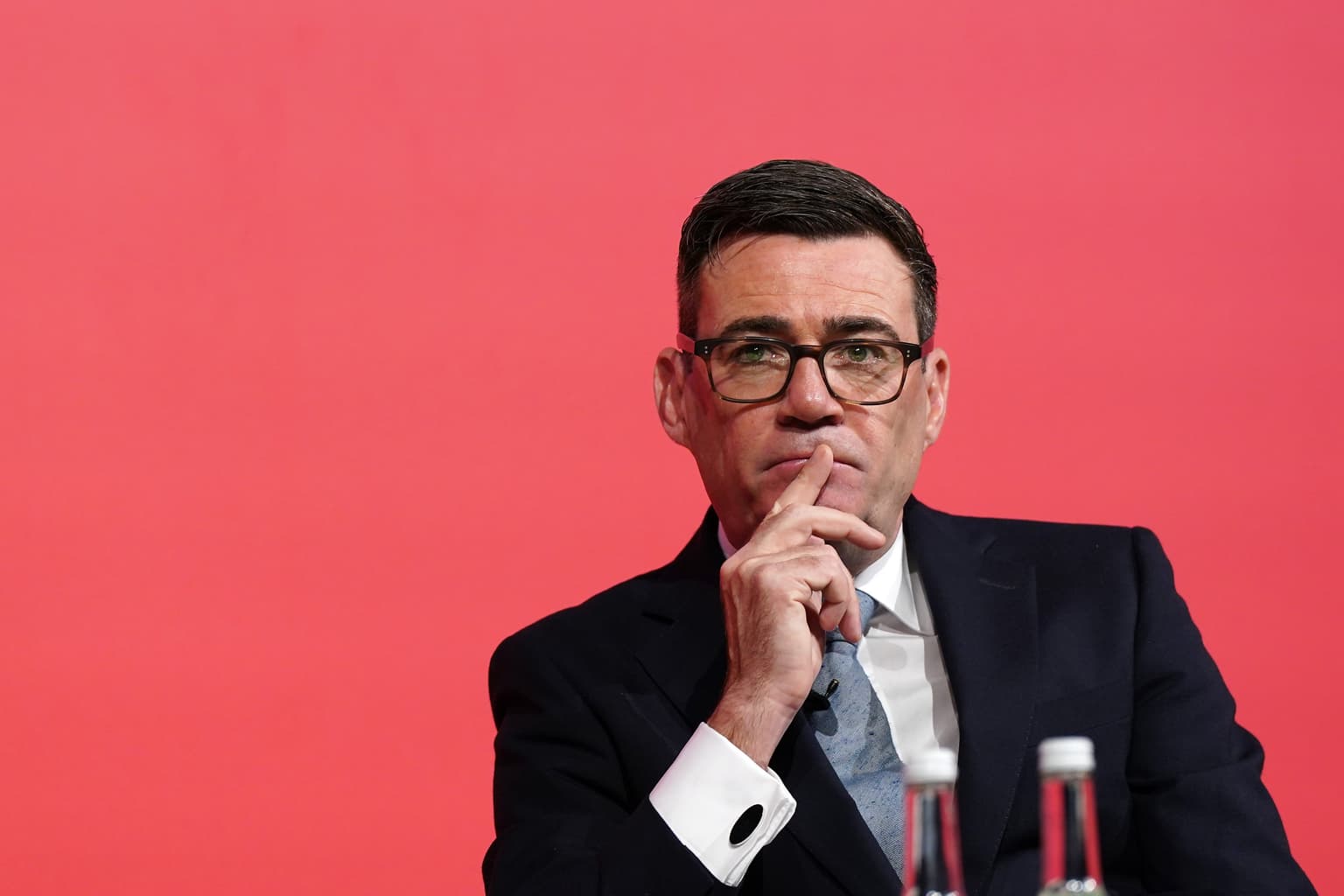
Prime Minister Andy Burnham has said that by making a change to state pensions he will fund his planned National Care Service in the next parliament.
Burnham added that he will honour Labour's manifesto pledge to keep the triple lock on pensions through to the end of this parliament.
For the triple lock, which was introduced in 2010 under the Conservatives, Burnham says that the government will “adjust it” from 2030.
“From then, the state pension will continue to rise every year at least by prices or 2.5%,” Burnham said.
“And it will hold its value relative to earnings over time so that pensioners will always share in the rising prosperity of the nation.”
“This change will generate significant savings, which we will use to build up our own National Care Service.”
Burnham said “someone has to go through the pain barrier and rip the plaster off”, while he admitted that for this announcement he “may pay a political price”.
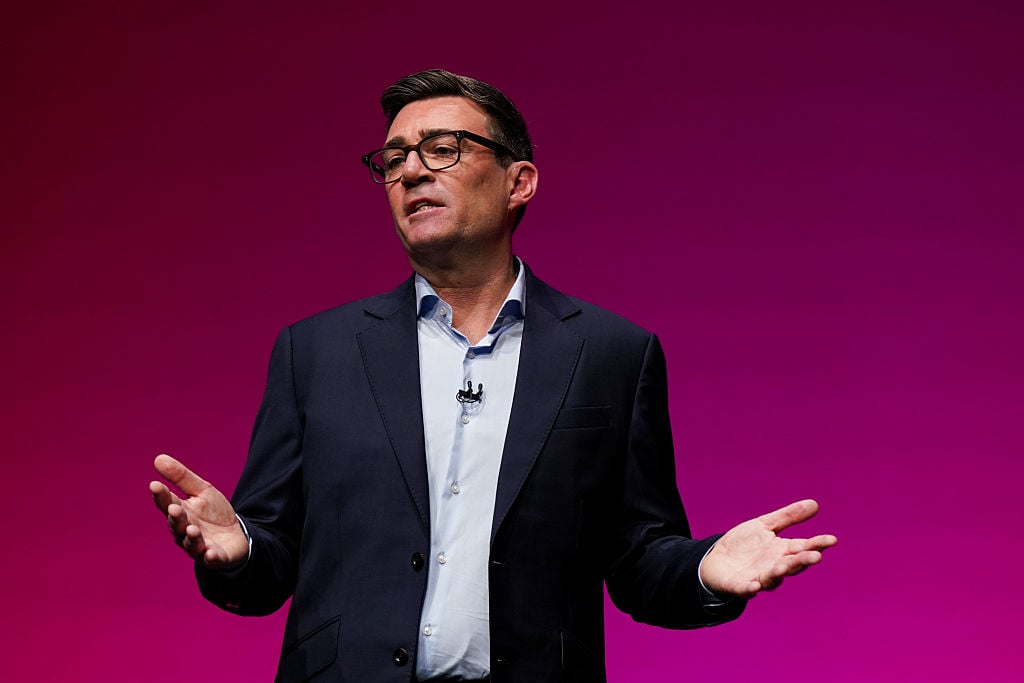
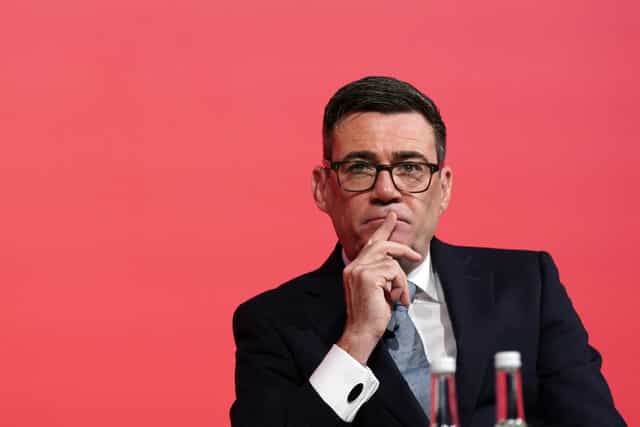
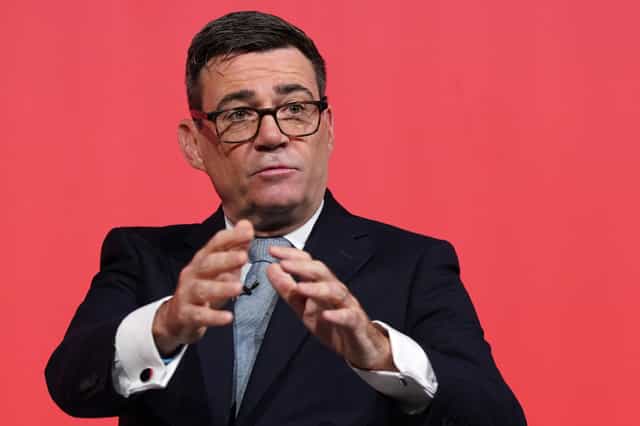
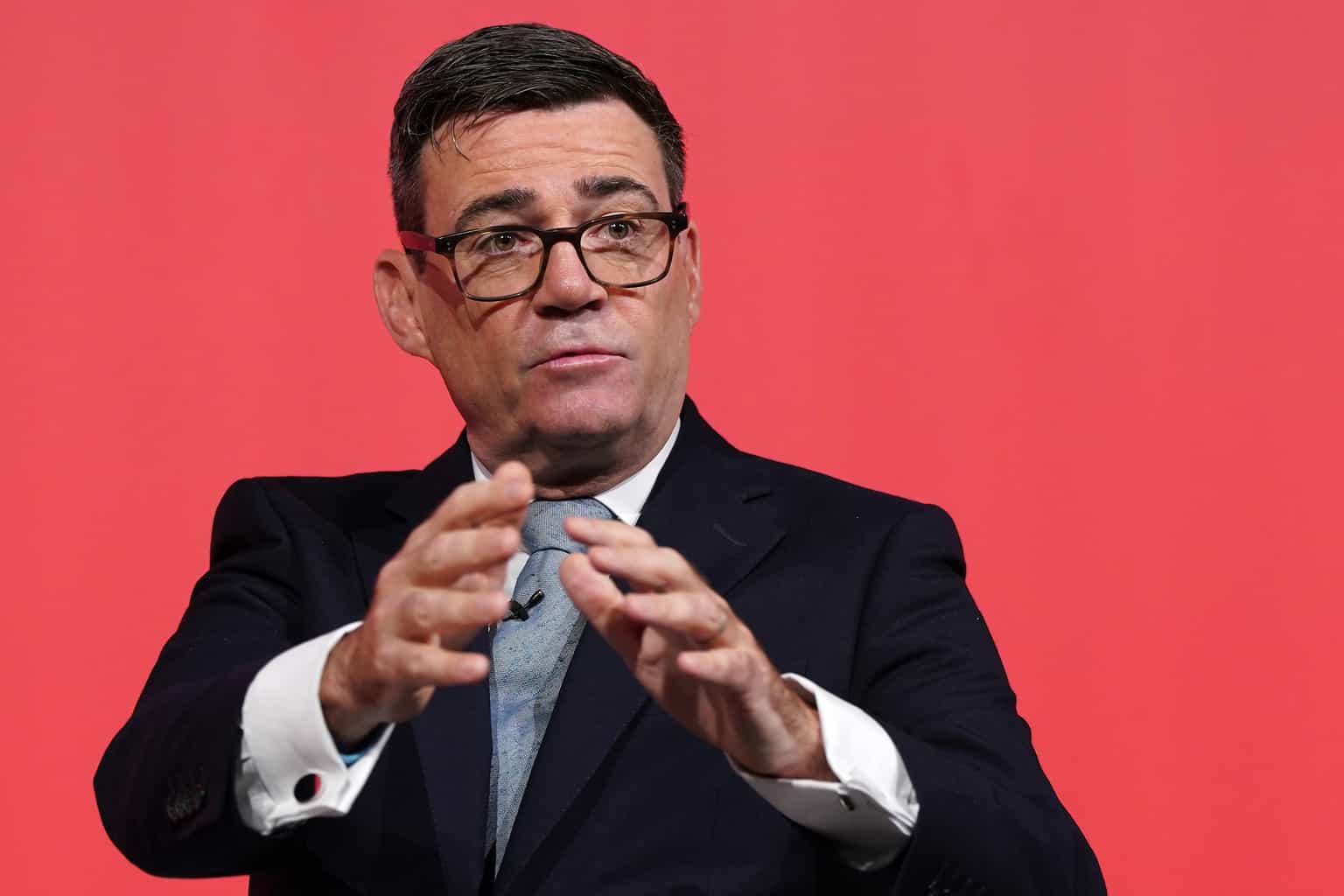
Burnham delivering his keynote speech on day three of Labour Party Conference in Liverpool on 29 September. Credit: Getty Images
What the triple lock means is that state pensions rise every April by at least 2.5%, or in line with the highest prices or earnings.
Speculation about the future of the policy which was once seen as untouchable on a political level has now resurfaced after Burnham’s confirmation.
According to the critics, the measure which was first implemented in 2011, threatens to drive the government’s pension bill to unsustainable levels.
At £138bn in 2024-2025, the state pension is the largest single driver of welfare spending.
Meanwhile, this will rise by £13bn in real terms by 2029-2030, as per forecasts by experts.

For the full new state pension, as per The Independent, the current weekly rate is £241.30.
This is up £85.65 from when it was introduced in 2016, and it is equal to around £12,547.60 a year.
Provisionally it is set to rise by 3.9% to £250.71 a week, or £13,036.92 a year, in line with earnings growth in 2026.
Based on government calculation as seen in the table below:
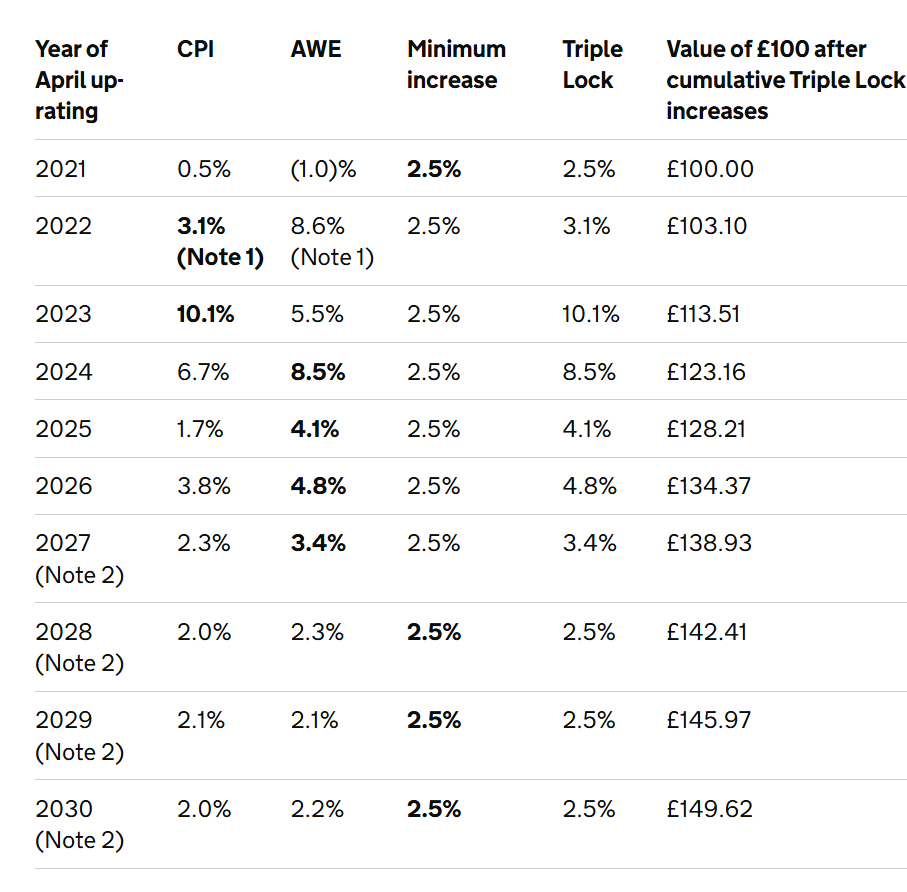
As per The Telegraph, while you may be aware that you have the triple lock to thank for the pay increase, it’s also helpful to know how it works and what it means for your pension this year, and in the years to come.
The basic state pension has increased by £8.45 a week to £184.90, up from £176.45. It is now £9,614.80 a year.
Regardless of which of the three factors is driving its increase, the triple lock makes sure that the purchasing power of income from the state pension keeps pace with rising living costs.
To pensioners, this is vitally important. That’s because, as The Telegraph reveals, the triple lock is worth almost £1,300 to people on the full new state pension.
If the benefit had only risen with inflation since 2011, they’d receive just £11,268 this year.
And its spiralling cost is the major concern surrounding the state pension.
In 2025 alone, it cost £146bn and it’s forecast to hit £172bn by the end of the decade.
This is largely driven by the triple lock, alongside increasing life expectancy.
Meanwhile, some people are also concerned about the prospect of having to work longer, which could cost some employees £4,000 in today’s money.
What is more, age charities have also warned that the poorest in society will spend an extra year in poverty before their state pension arrives.
The full new state pension has reached £12,548 this year, just £22 shy of the £12,570 tax-free personal allowance, according to The Telegraph, in spite of the obvious benefits of the triple lock for pensioners.
A significant amount of what many will gain could instantly be clawed back in tax, thanks to successive governments freezing income tax allowances, resulting in stealth tax, with this year’s state pension increase.
The state pension, under the proposed system, would increase each year by either inflation or 2.5% depending on which is highest.
This removes the possibility of the pensions spiking from volatile wage growth.
The downgrade to a double lock has occurred once before under the Conservative government during the 2022/23 financial year, where the end of the Covid furlough scheme sent wage growth rocketing 8.4%.
This would have granted state pensioners a rise of £785.
And now, by temporarily introducing the double lock, pensions increased by the 3.1 per cent inflation measure, saving the government an estimated £4.5bn over the course of the year.
Explore more on these topics:
News
News

News
News
Andy Burnham vows to reform pension triple lock from 2030
Change on the horizon Andy Burnham has vowed to bring reform to the pension triple lock from 2030. The prime minister announced the pledge today at the Labour Conference in Liverpool, at which he was making his first speech of the week. The news was announced as a way of funding the National Care Service […]
News
2h
Couple who swore affidavits in Conor McGregor civil rape case charged with perjury
A couple who swore affidavits on behalf of Conor McGregor ahead of his civil appeal for the rape of Nikita Hand have been charged with perjury. Samantha O’Reilly (38) and Steven Cummins (39) have appeared before Dublin District Court this morning accused of making false statements. McGregor was found liable of assault in civil court […]
News
2h
Argentina issues two-week ultimatum to UK over Falkland Islands
News