









News

Share
Published 11:48 25 Feb 2026 GMT
Updated 12:26 25 Feb 2026 GMT
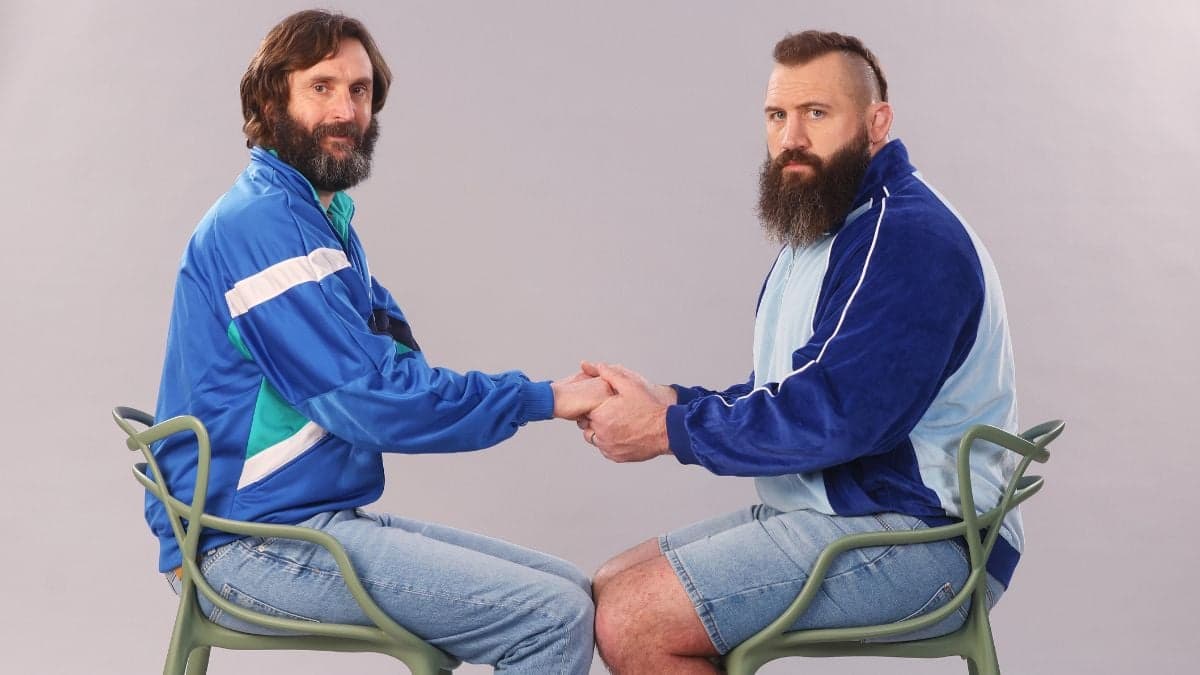
Conversations around men’s mental health have never been louder, yet for many men, actually opening up still feels unfamiliar.
While awareness across the UK has grown, stigma around vulnerability within male friendships has not disappeared overnight. In that context, the way we connect and how often we reach out matters more than ever.
It is hard to think that at one point in time, we were not as digitally connected as we are today. Friends, family and partners are just a text, phone call or FaceTime away.
People meet their forever partners on dating apps, work remotely and stay in touch with friends across continents.
We have never been as connected as we are today. But as wonderful as it is to have your loved ones living in your pocket, it does raise a question.
Does digitalisation make our relationships stronger or weaker?
If we question whether we are truly more connected, the numbers suggest we might be. Research commissioned by Sky Mobile found that Brits make an average of 547 video calls a year and spend more than eight days annually on the phone to loved ones. Nearly half say their phone has actively improved their relationship. On paper at least, we are talking more than ever before.
But statistics only tell part of the story. What really matters is how that connection feels, and whether it translates into something meaningful.
Speaking with Joe Marler and Joe Wilkinson offered some unexpected insight, particularly when the conversation turned to men’s mental health.
The pair have teamed up with Sky for a tongue-in-cheek campaign highlighting just how much staying connected means to Brits. Beneath the humour, however, there is a more meaningful message about male friendship and emotional openness.
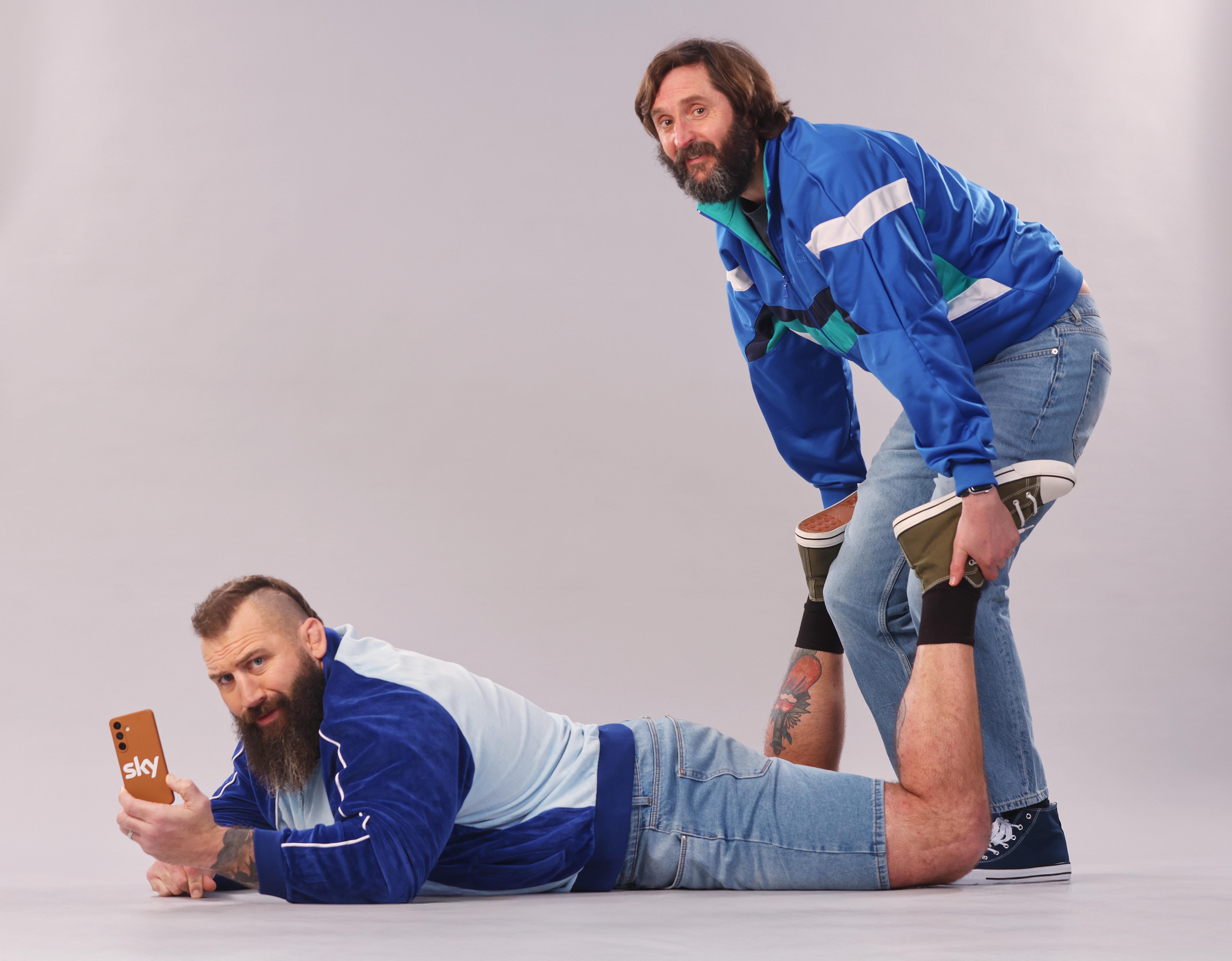
When speaking about the pros and cons of digitalisation, Wilkinson described video calling as a “game changer”.
Joe recalled attending one of his comedy gigs when a colleague from Australia had just come off a video call with his mum.
“I remember thinking how much that must have meant,” Wilkinson said.
“I just remember how much his mum must’ve needed that.”
Technology allows us to show up for people in moments that would otherwise be impossible, something that both Joe’s really seem to appreciate.
However, it is not just about family. Digital connection has also transformed friendships, and for men in particular, that shift can be significant.
For generations, men have often been discouraged from expressing emotion openly within their male friendships. Many have leaned on female figures in their lives for emotional support instead.
It seems that for some, even a quick message, a meme, or a simple “How are you?” text can lower the barrier to those conversations.
Checking in with your mates has now become easier. Sometimes that small digital nudge can open the door to something more meaningful.
When asked why male friendships can discourage emotional openness, Marler was candid.
“We often think it’s not masculine to tell another man ‘I love you’ or how well they are doing or how proud you are of them, but why not?
“Why wouldn't I want to tell a male friend of mine how great they are or how much I love them?
“Because when someone does tell you, you feel good about it, don't you?
“So we need to do it more.”
He continued, “You've got the opportunity there to reach out via text, and if you're thinking of them during the day, I'll text you. Why not? Why wouldn't you? It's nice. It's nice to do. And definitely, as men, we need to get better at that.”
Wilkinson echoed that sentiment while reflecting on his friendship with Marler during their time on The Traitors UK series 4.
He described hitting it off straight away, a connection that felt almost nostalgic.

“It felt like going back to school… when you got to spend like hours and hours with them [friends]. You don't get to do that as an adult,” he said.
He went on to explain that forming that kind of bond as grown men can feel strangely unusual, which in itself is telling.
“It's a lovely thing, but it's also sad that it's news. Do you know what I mean?
“We've got to a point where that's not something you see every day, two men becoming friends.
“It's sort of sad, isn't it?” the comedian admitted.
Wilkinson added that it should simply be a nice thing, not something treated as remarkable.
“How have we got here where making new friends as an adult is unusual?” he said.
Even if it is just sending one another funny Instagram reels or memes, staying in touch has become easier thanks to technology.
For some men, that digital layer can act as a bridge, a way to maintain closeness between in-person meetups and sometimes a stepping stone to deeper conversations.
While it is wonderful that we can stay connected with those closest to us, both Marler and Wilkinson emphasise that digital connections should enhance real-life relationships, not replace them.
A text can carry real weight, but nothing quite replaces sitting across from a friend, having the time to talk things through properly, or simply sharing a pint and each other’s company.
Perhaps the real takeaway is not whether digitalisation makes relationships stronger or weaker. It is how we use it.
A phone in your pocket can be a distraction, yet it can also quietly support the relationships that mean the most.
With Sky Mobile, customers can share data with up to seven SIMs on their plan, helping to stay connected to their loved ones no matter where they are.
Explore more on these topics:

News

News

News

News
The top 10 ‘best’ cities in the world have been revealed
Five factors determined the ‘best’ and ‘worst’ It’s that time of the year again when the brain boxes at some large, academic institution create a fancy index full of number of buzz-word measures to make the ultimate tier list of planet Earth’s cities. This time it’s the turn of the boffins at Oxford Economics to […]
News
just now
Liquor breakthrough: UK university to age whiskey in space for the first time
Whiskey to be distilled in space as part of a university experiment From earthly distillers to sci-fi manufacturers, this might be the beginning of a utopian dream for whiskey connoisseurs around the world. Whiskey is set to be aged in space for the very first time in what seems like a plot straight out of […]
News
just now
News