







News

Share
Published 15:12 26 Nov 2025 GMT
Updated 15:12 26 Nov 2025 GMT
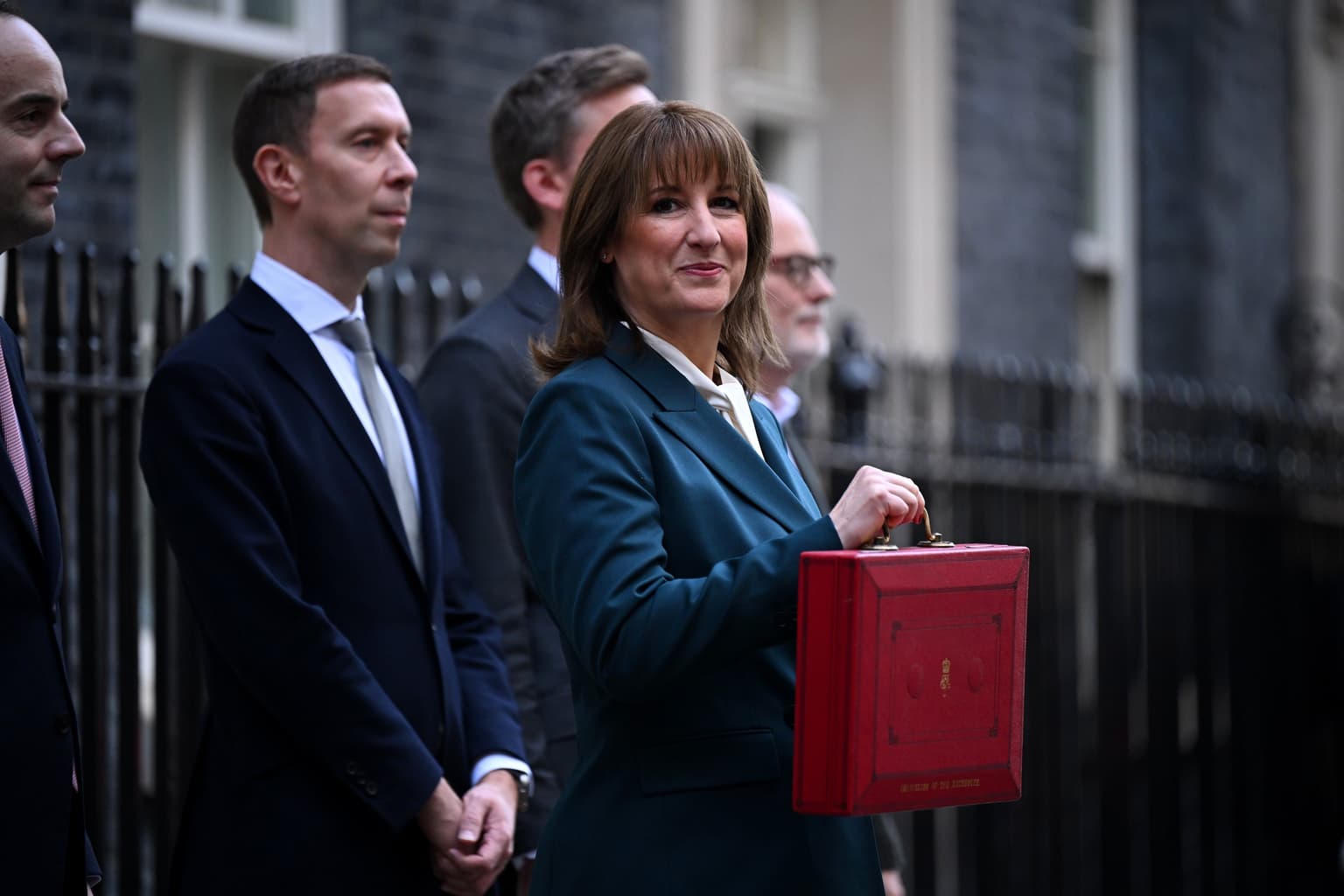
It's the big news in the UK, the Autumn Budget has landed in all its chaotic glory.
The circus began early when the Office for Budget Responsibility (OBR) rather irresponsibly released their report on the Budget before Reeves could even announce it herself in Commons.
This led to an apology by the OBR for this mishap and leader of the Conservatives and opposition Kemi Badenoch grilling the chancellor.
However, with the hard numbers out of the way, the jeering and laughing over in Commons and all the new changes announced, here's what 2025's Autumn Budget means for you.
The biggest headlines to come out of the Budget unsurprisingly revolve around tax.
The bottom line is everyone will be paying more tax.
Tax in the UK is set to rise to £26bn with the tax take reaching an all-time high 38% GDP by 2030/31.
Thresholds on income tax and National Insurance will be frozen until 2031 despite inflation and rising costs, meaning more of your income may fall into a higher tax bracket.
Outside of tax, the two-child benefit cap will be scrapped, expected to cost the government £3bn by 2029/30.
Freezing thresholds until 2031 is significant because thresholds were expected to change inline with inflation in 2028.
The three-year extension will mean people will likely end up paying more tax as their wages go up and more of their income gets paid into higher tax brackers.
This is known as fiscal drag.
With the announcement of the minimum wage and living wage going up in the UK by 50p per hour, this could be the foundation for more people being pushed into paying more tax.
Out-of-control energy bills have been a staple of British life for a significant period of time now, with rising costs becoming the norm.
However, the Budget has pledged to bring energy costs down as household gas and electricity costs are set to be lowered through cuts to green levies on energy bills.
This move is estimated to save households £150 per year and, as per the OBR, will cost the country around £2.3bn.
The chancellor announced the extension of the national bus fare cap which sits at £3 for a single and will last until at least March 2027.
Elsewhere, Reeves reiterated the government's decision to freeze rail fares which was announced last week.
Prescription charges will also be frozen at their current rate of £9.90 per item.
The 5p cut in fuel duty has been extended until September next year.
Families could be set for more money as the two-child benefit cap is lifted.
The limit was introduced by Conservative chancellor George Osborne in 2015, meaning families with more than two children did not receive extra child benefits.
If the cap had not been introduced, affected families could have received an average of £4,400 in benefit entitlements a year.
The removal of the cap is expected to cost the government £3bn by 2029/30.
People who use salary sacrifice schemes for pension savings will face a £2,000-a-year cap on the amount that can be paid in using this method.
Effectively, any money which passes the £2,000 mark will be taxed.
Employees will still get income tax relief on their pension contributions.
Many benefits such as personal independence payment, attendance allowance and disability living allowance, as well as carer's allowance will rise by 3.8% in April.
This is in line with rising prices.
The state pension in April will rise by 4.8% in line with average wages, meaning those who reached state pension age after April 2016 will see it increase to £241.30 per week while those who reached state pension age before will see it go up to £184.90.
New measures on Cash ISAs will mean the amount of money that can be saved tax-free each year will be reduced from £20,000 to £12,000 for under 65s.
The idea is to encourage people to invest and spend more instead of placing the money in tax-free as well as risk-free savings accounts.
The obvious alternative that the government will be encouraging is the Stocks and Shares ISA.
About a quarter of people who save money into a Cash ISA currently save more than £12,000 a year.
For those of you lucky to own your own houses and it is valued at more than £2m, you'll be paying an increased amount of council tax from April 2028.
This comes as a surcharge to be known as mansion tax and will affect around 100,000 homes in the UK, mostly around London and the South East.
The surcharge will be divided into four tax brackets, rising from £2,500 for a property valued in the £2m to £2.5m band, to £7,500 for a property valued in the highest band of £5m or more.
Explore more on these topics:

News
News
News

News
Rejoining EU could boost UK economy by £150bn – Goldman Sachs
Analysts from the bank reckon a ‘Breturn’ would boost the UK economy by 2-5% by the start of the next decade. Goldman Sachs has said rejoining the European Union could boost the UK economy by as much as £150 billion. In a note to clients, the Wall Street bank voiced its support for Andy Burnham’s […]
News
19h
Travel chaos across Italian airports after air traffic control failure
Air traffic management capacity has been slashed in half Travel chaos has struck Italy’s major airports after an air traffic control failure left capacity halved on Friday. Hundreds of flights across Italy have been delayed and over 100 cancelled due to “anomalies” with air traffic control (ATC) services. The Italian air navigation service provider, ENAV, […]
News
1 day ago
News
The BBC has given the world a masterclass in standing up to Trump’s bullying
News