






Entertainment

Share
Published 11:39 20 Feb 2017 GMT

 Regarding the fact the then 16-year-old Dassey clearly had cognitive disabilities and was perhaps asked leading questions during his investigation (the reason for his retrial), Kratz reiterated his belief that Dassey is guilty.
"I lose no sleep over my prosecution of Brendan Dassey. I was a prosecutor with a dead young woman and her surviving family for which to pursue justice. It was not my fault that Brendan was easily manipulated by Avery, or had a low IQ, or was shy, or that he made a dozen inconsistent statements. I believe Brendan could have saved Teresa's life, but chose instead to involve himself in the rape, murder, and mutilation of an innocent woman. I have always said that he did not deserve life in prison, and should have taken the plea bargain that I offered him. But I couldn't, and can't
Unsurprisingly, Kratz is also convinced that Steven Avery is guilty.
"Timing and technology, I thought, underpinned Making a Murderer's success. The show burst out during an electric, transformative, pre-Trump period in our country. Notoriously conservative America seemed to be leaning left, newly willing to challenge law enforcement. Many of the police shootings that fueled the Black Lives Matter movement resulted in no charges being filed against cops (think Baltimore, Ferguson), and yet the American public clamored for the freedom of a white man, Steven Avery, who was, by any measure of the evidence, stone guilty. This fascinated and, frankly, surprised me. When Making a Murderer took home four Emmys, it seemed that those who judge popular culture had sanctioned a newfound activist spirit, if one inconsistently applied."
Regarding the fact the then 16-year-old Dassey clearly had cognitive disabilities and was perhaps asked leading questions during his investigation (the reason for his retrial), Kratz reiterated his belief that Dassey is guilty.
"I lose no sleep over my prosecution of Brendan Dassey. I was a prosecutor with a dead young woman and her surviving family for which to pursue justice. It was not my fault that Brendan was easily manipulated by Avery, or had a low IQ, or was shy, or that he made a dozen inconsistent statements. I believe Brendan could have saved Teresa's life, but chose instead to involve himself in the rape, murder, and mutilation of an innocent woman. I have always said that he did not deserve life in prison, and should have taken the plea bargain that I offered him. But I couldn't, and can't
Unsurprisingly, Kratz is also convinced that Steven Avery is guilty.
"Timing and technology, I thought, underpinned Making a Murderer's success. The show burst out during an electric, transformative, pre-Trump period in our country. Notoriously conservative America seemed to be leaning left, newly willing to challenge law enforcement. Many of the police shootings that fueled the Black Lives Matter movement resulted in no charges being filed against cops (think Baltimore, Ferguson), and yet the American public clamored for the freedom of a white man, Steven Avery, who was, by any measure of the evidence, stone guilty. This fascinated and, frankly, surprised me. When Making a Murderer took home four Emmys, it seemed that those who judge popular culture had sanctioned a newfound activist spirit, if one inconsistently applied."
 As audiences watched Making A Murderer, there was one pivotal moment when it appeared that Avery's legal team of Dean Strang and Jerry Buting had secured a breakthrough that they were desperately searching for, finding the vial of Steven Avery's blood which appeared to have been tampered with.
Kratz was critical of the filmmakers for their representation of that moment.
"We see close shots of the broken seal on the box that contains the vial of blood. We do not hear that the seal was broken in the presence of Avery's own Innocence Project defense team in 2002, in a meeting to review the available physical evidence for retesting in pursuit of his eventual exoneration. We do not hear that the hole in the top of the tube was actually made by a nurse when the blood was first collected from Steven Avery, not by some phantom police conspirator. This is how all blood gets into collection tubes, as you are probably aware if you have ever had blood drawn yourself."
Following the initial trial of Dassey and Avery, Kratz resigned from his office in October 2010 after becoming involved in a sexting scandal.
As audiences watched Making A Murderer, there was one pivotal moment when it appeared that Avery's legal team of Dean Strang and Jerry Buting had secured a breakthrough that they were desperately searching for, finding the vial of Steven Avery's blood which appeared to have been tampered with.
Kratz was critical of the filmmakers for their representation of that moment.
"We see close shots of the broken seal on the box that contains the vial of blood. We do not hear that the seal was broken in the presence of Avery's own Innocence Project defense team in 2002, in a meeting to review the available physical evidence for retesting in pursuit of his eventual exoneration. We do not hear that the hole in the top of the tube was actually made by a nurse when the blood was first collected from Steven Avery, not by some phantom police conspirator. This is how all blood gets into collection tubes, as you are probably aware if you have ever had blood drawn yourself."
Following the initial trial of Dassey and Avery, Kratz resigned from his office in October 2010 after becoming involved in a sexting scandal.Explore more on these topics:

Entertainment

Entertainment
Entertainment

Entertainment
Minimum wage rise for under-21s set to slow in this week’s Budget
Smaller increases than in previous years As the Chancellor prepares Wednesday’s Budget, minimum wage increases for 18 to 20-year-olds will be smaller than in previous years, it has been revealed. As the BBC reports, workers aged 18 to 20 face a smaller pay rise than in the past two years. According to the Times, the […]
Entertainment
11h
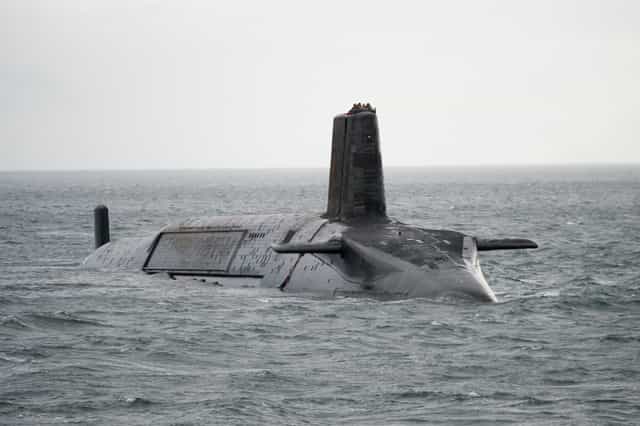
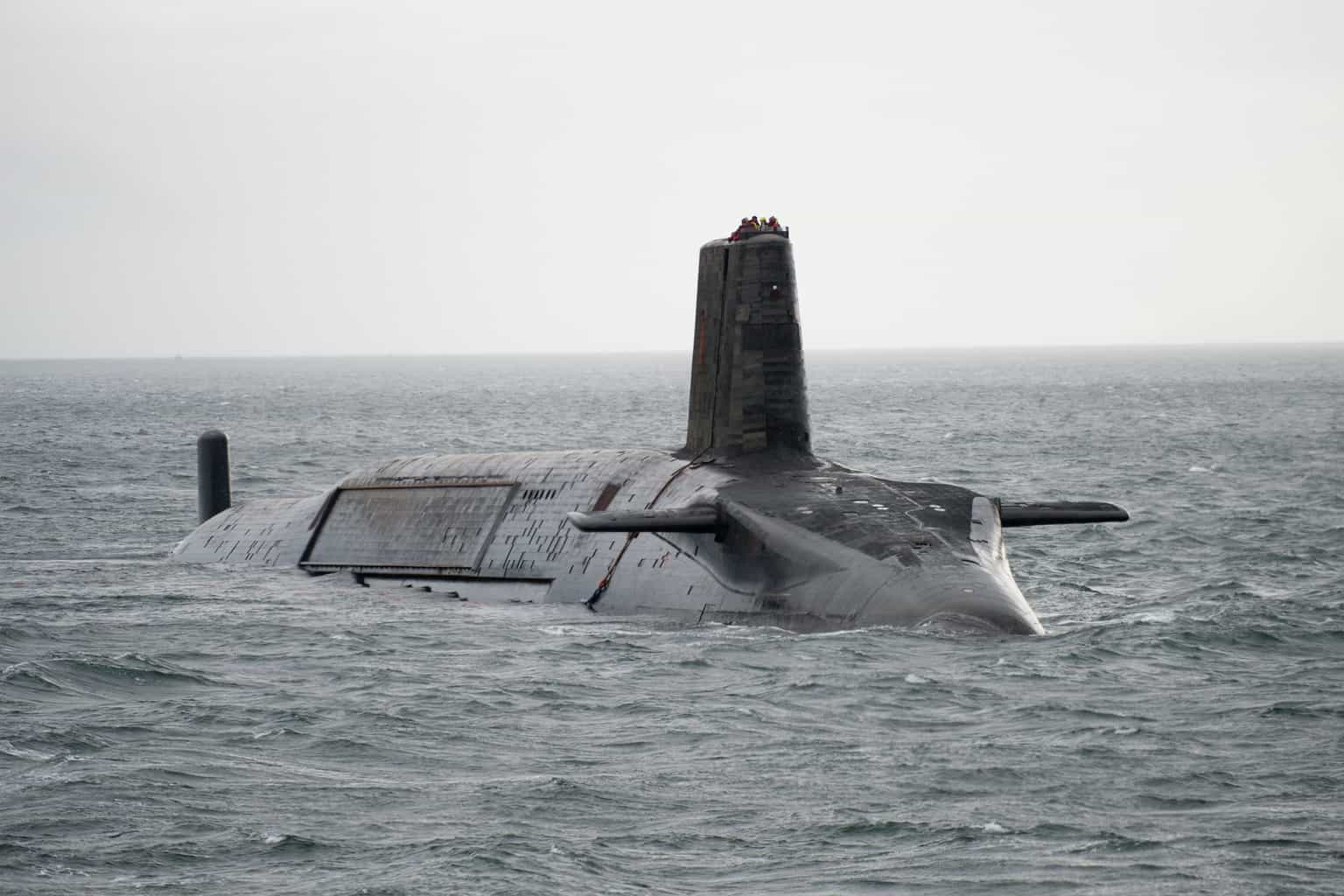
UK deploys three of four nuclear deterrent submarines in ‘unusual circumstances’
At least one is armed with ballistic missiles on a routine patrol. The UK has deployed three of its four nuclear deterrent submarines in what has been described as an “unusual situation”. As reported by The Times, three of the four vessels are out at sea, and at least one the submarines is armed with […]
Entertainment
12h
Entertainment
Israel has committed war crimes and crimes against humanity in Palestine, UN Commission of Inquiry says
Entertainment