





News

Share
Published 17:59 15 Feb 2026 GMT
Updated 17:59 15 Feb 2026 GMT
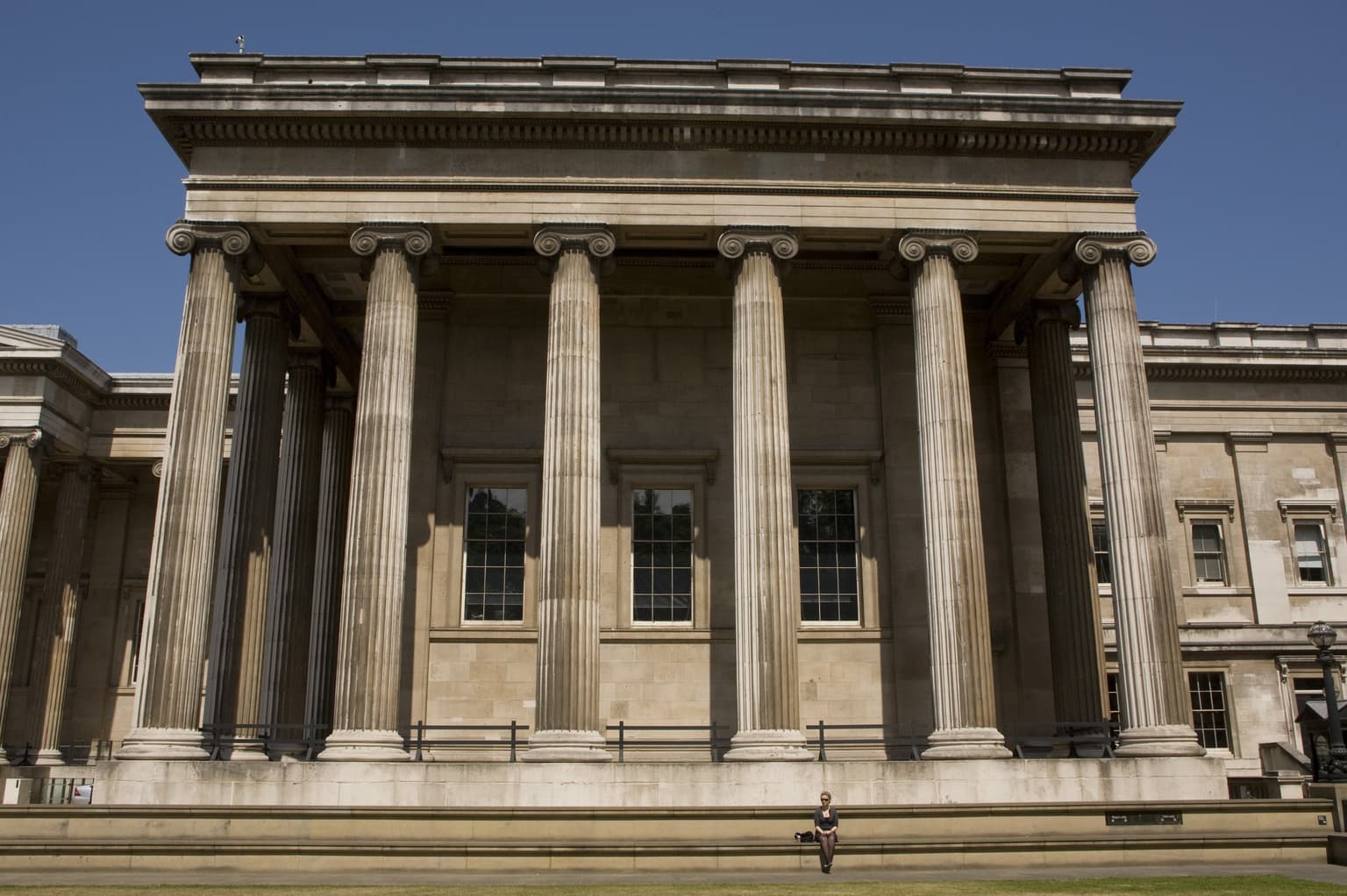
The British Museum appears to have removed the word Palestine from ancient exhibits.
This comes after complaints were made by the pro Israel group UK Lawyers for Israel, who argued that the word Palestine was being used to “erase historical changes” and “created a false impression of continuity”.
After the complaint was made, information placards in the museum’s ancient Middle East galleries were changed.
The group wrote: “The chosen terminology in the items described above implies the existence of an ancient and continuous region called Palestine.”
The region has had many names throughout history, including Palestine, Canaan, Israel and Judea.
A spokesperson for the British Museum said it uses the term Palestinian where appropriate.
They said: “For the Middle East galleries, for maps showing ancient cultural regions, the term Canaan is relevant for the southern Levant in the later second millennium BC. We use the UN terminology on maps that show modern boundaries, for example, Gaza, West Bank, Israel, Jordan, and refer to Palestinian as a cultural or ethnographic identifier where appropriate.”
While the museum says its terminology reflects historical accuracy and international standards, critics argue that removing the word Palestine from ancient displays risks sidelining a name that has been used for centuries in geographical and administrative contexts, including under Roman, Byzantine, Ottoman and British rule.
The debate sits within the wider political backdrop of the conflict between Israel and the Palestinian territories.
Israel has occupied the West Bank since 1967 and expanded settlements there, a move widely regarded by much of the international community as illegal under international law.
Israel disputes this characterisation.
Palestinians seek an independent state in the West Bank and Gaza, with East Jerusalem as its capital.
Israel considers Jerusalem its undivided capital, a position recognised by the United States and a small number of other countries.
Historically, the region was part of the Ottoman Empire until the end of the First World War.
Britain then took control under a League of Nations mandate. In 1917, the British government issued the Balfour Declaration, supporting the establishment of a national home for the Jewish people in Palestine while stating that the rights of existing non Jewish communities should not be prejudiced.
In 1947, the United Nations voted to partition the territory into separate Jewish and Arab states, with Jerusalem designated as an international city.
When British rule ended in 1948 and Israel declared independence, neighbouring Arab states intervened.
Around 700,000 Palestinian Arabs were displaced during the conflict, an event Palestinians refer to as the Nakba, or catastrophe.
For many Palestinians and their supporters, disputes over language are not just academic but symbolic of broader questions about history, recognition and national identity that remain unresolved.
News
News
News

News
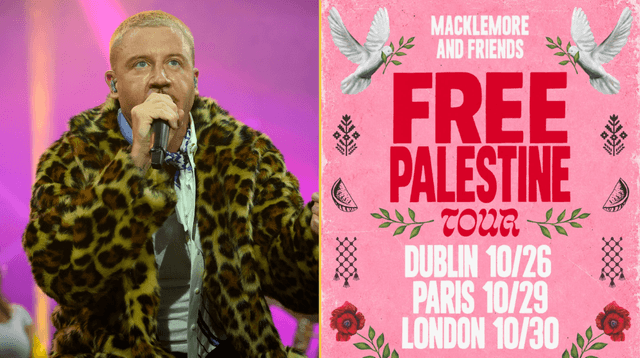
Macklemore’s ‘Free Palestine Tour’ date in Dublin sells out in just five minutes
Dublin fans had minutes to grab Macklemore tickets Macklemore’s Dublin show has completely sold out, with fans claiming tickets for the rapper’s Free Palestine tour disappeared within minutes. The 3Arena gig, set for 26 October, was announced last week alongside dates in Paris and London. But anyone hoping to grab a ticket had to move […]
News
2 days ago
Ferry passengers travelling from UK to Ireland face passport checks for first time in 100 years
New checks cover several major Ireland to Britain routes Anyone catching a ferry between Ireland and Great Britain now needs to think twice before heading to the port, with passengers on several routes being asked to have their passports ready. The new requirement came into effect on Monday and covers sailings from Dublin and Rosslare, […]
News
2 days ago

News
USS Klakring sunk off Scotland during joint UK-US drill
News