






News

Share
Published 14:22 31 Aug 2026 BST
Updated 14:22 31 Aug 2026 BST
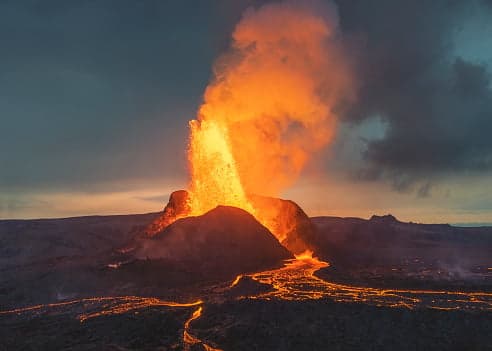
Scientists have uncovered the remains of a supervolcano on England’s east coast as experts believe it explains a huge layer of volcanic ash spread across northern Europe.
Located beneath The Wash, between Norfolk and Lincolnshire, it reached approximately 65km (40 miles) in diameter.
The volcano is said to have erupted with the force of several thousand hydrogen bombs, or a million nuclear bombs, around 454 million years ago.
The term ‘supervolcano’ is given to those that have erupted more than 1000 cubic km (240 cubic miles) of material.
Researchers at the British Geological Survey find that the supervolcano’s eruption could be the reason why volcanic ash can be found throughout Norway, Sweden, Belarus, Poland, and the Baltic countries.
However, if you are concerned that Grimsby or Claxby will turn into the next Pompeii, you can rest assured as the volcano has long been extinct.
The eruption took place 454 million years ago, meaning it was closer to the first dinosaurs than we are to the last dinosaurs.
Dr Tim Pharaoh of the BGS explained that “unlike faults, which can be seismically reactivated, a volcano can't.
"Once it's gone extinct, that's it. Nobody needs to worry about the supervolcano erupting again."
In fact, Dr Pharaoh is more than pleased with the discovery, calling the research a "fantastic result” that helps us understand “England's deep geological past.”
He told the BBC that “it's only now that we've got these precise ages we can make these bold statements and assertions.
"It's extremely satisfying to come up with this very precise result."
Matching crystals that are the width of a human hair, which are formed from molten magma before an eruption, scientists were able to confirm the ones from Norfolk and Lincolnshire were formed at the same time.
Additionally, the findings matched samples found in Norway, which were analysed by researchers at the University of Oslo, implying the eruption covered all of Scandinavian.
Experts believe the samples could be matched to the layer of volcanic ash found in the Baltic region and Belarus.
However, with the current findings, and the sheer scale of the volcano, the BGS believes that it might have been one of the most powerful eruptions in Earth’s long history.
Explore more on these topics:

News
News

News

News
London couple died in Spain due to “suction entrapment” – autopsy confirms
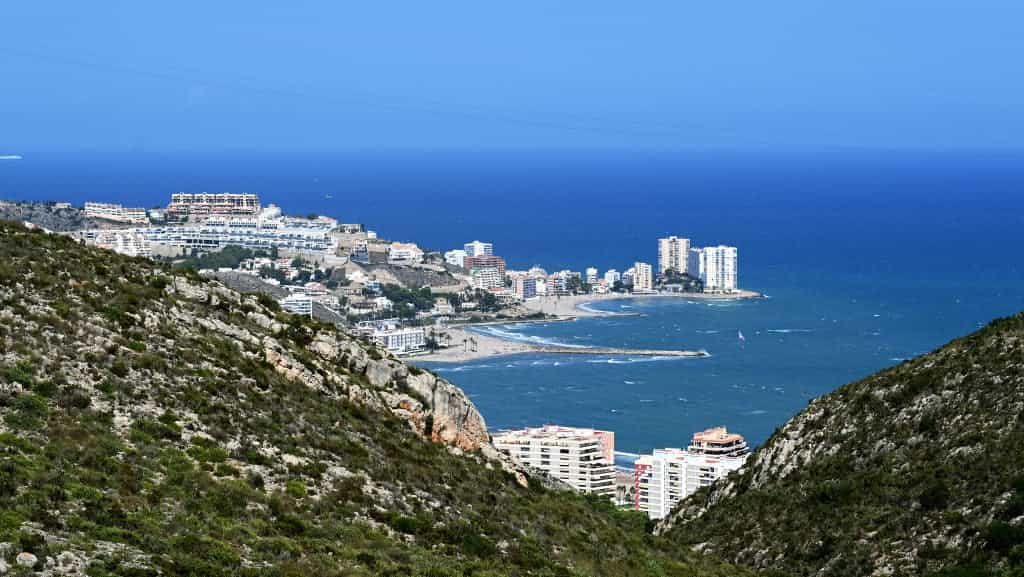
Thomasina McArdle, 48, and her husband, Patrick Tobin, 51, from New Zealand were found dead by their teenage children last week. Originally from Castleblaney in Monaghan, Ireland, McArdle had been living in London with her family for years. The couple were found in the hot tub in an exclusive resort in Cullera, now believed to […]
News
56 min
Revealed: How much Iran war has cost UK households
It’s more than you think Over six months have past since the US and Israel have launched war against Iran, a conflict Trump was expecting to last “four to five weeks”. With still no end in sight, the world economy is seamlessly being affected, down to the households of those that aren’t involved in the […]
News
1h
News
Mark Carney posts perfect response after Trump signs order to rename Lake Ontario as Lake America
News