






News

Share
Published 08:21 9 Aug 2026 BST
Updated 12:43 9 Aug 2026 BST
Armed with two high-spec cameras, a specialist telescope and a drone, Mark Griffiths has spent two days driving from Cheshire to Galicia in north-west Spain - one of the best places to witness Wednesday’s solar eclipse, as he told BBC News as part of an interview.
For him, chasing the sky’s most spectacular events has become "like an addiction".
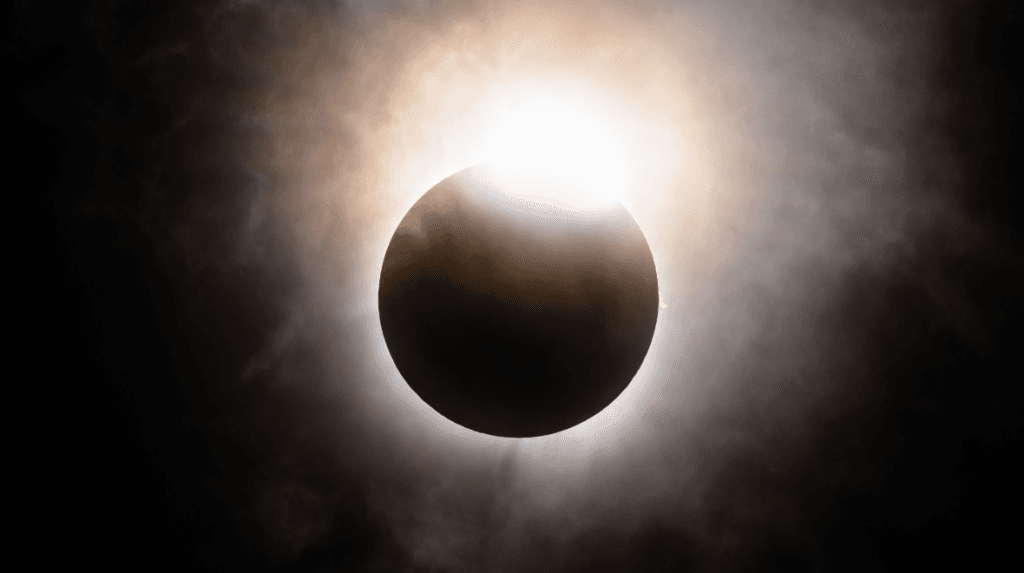
On Wednesday, parts of Europe will be plunged into daytime darkness as the moon passes in front of the sun, casting a shadow across the continent. For many it will be a once-in-a-lifetime experience: this is Europe’s first total solar eclipse in more than 25 years.
A total eclipse is a fleeting thing. For a few short minutes the moon lines up precisely between the Earth and the sun, blotting out its light and turning day into an eerie dusk before the sky brightens again. Get the location or the weather wrong and the moment is gone for years. That knife-edge is exactly what draws people like Griffiths to pack up their kit and drive the length of a continent on the promise of a clear sky.
Griffiths’ obsession began six years ago, when he travelled to Shetland to see the northern lights. The weather was so dreary he "didn’t see anything" - yet it did not put him off. He now goes to Iceland once a month, leading tour groups, and has photographed auroras, eclipses and bioluminescence. This, though, is his first total solar eclipse.
His two-day drive took him from Cheshire across France - where he stopped to take pictures - and on into north-west Spain, the car loaded with the same arsenal of cameras, telescope and drone. It is the kind of expedition that only makes sense to someone who has felt the pull of the sky at its most dramatic, and Griffiths is candid that the thrill of witnessing and capturing those events is what keeps him coming back for more.
"I kept wanting more," he told the BBC, describing how Europe’s first total eclipse in a generation is, for enthusiasts, "like what the World Cup is to football". Speaking the day after finishing his marathon drive across France and into Spain, he added: "I’ll be honest, it’s like an addiction now."
Galicia, on Spain’s Atlantic coast, is shaping up as one of the prime viewing spots, which is why chasers like Griffiths have travelled so far to set up beneath its skies. The path of the moon’s shadow will sweep across the continent, briefly turning day into a sudden twilight for those lucky enough to be standing in the right place with clear skies. If you are watching from Britain rather than the continent, our guide to how to see the solar eclipse from the UK explains the best time and safest way to look up.
The event is significant enough that experts have warned it could briefly pile pressure on power grids across Europe as solar generation dips in the moon’s shadow. For Griffiths, though, the stakes are simpler. After the long drive, the cameras and the years of near-misses, everything now rests on a clear sky and a few short minutes of darkness. If the clouds hold off, it will have been worth every mile.
Explore more on these topics:

News

News
News

News
Rejoining EU could boost UK economy by £150bn – Goldman Sachs
Analysts from the bank reckon a ‘Breturn’ would boost the UK economy by 2-5% by the start of the next decade. Goldman Sachs has said rejoining the European Union could boost the UK economy by as much as £150 billion. In a note to clients, the Wall Street bank voiced its support for Andy Burnham’s […]
News
1h
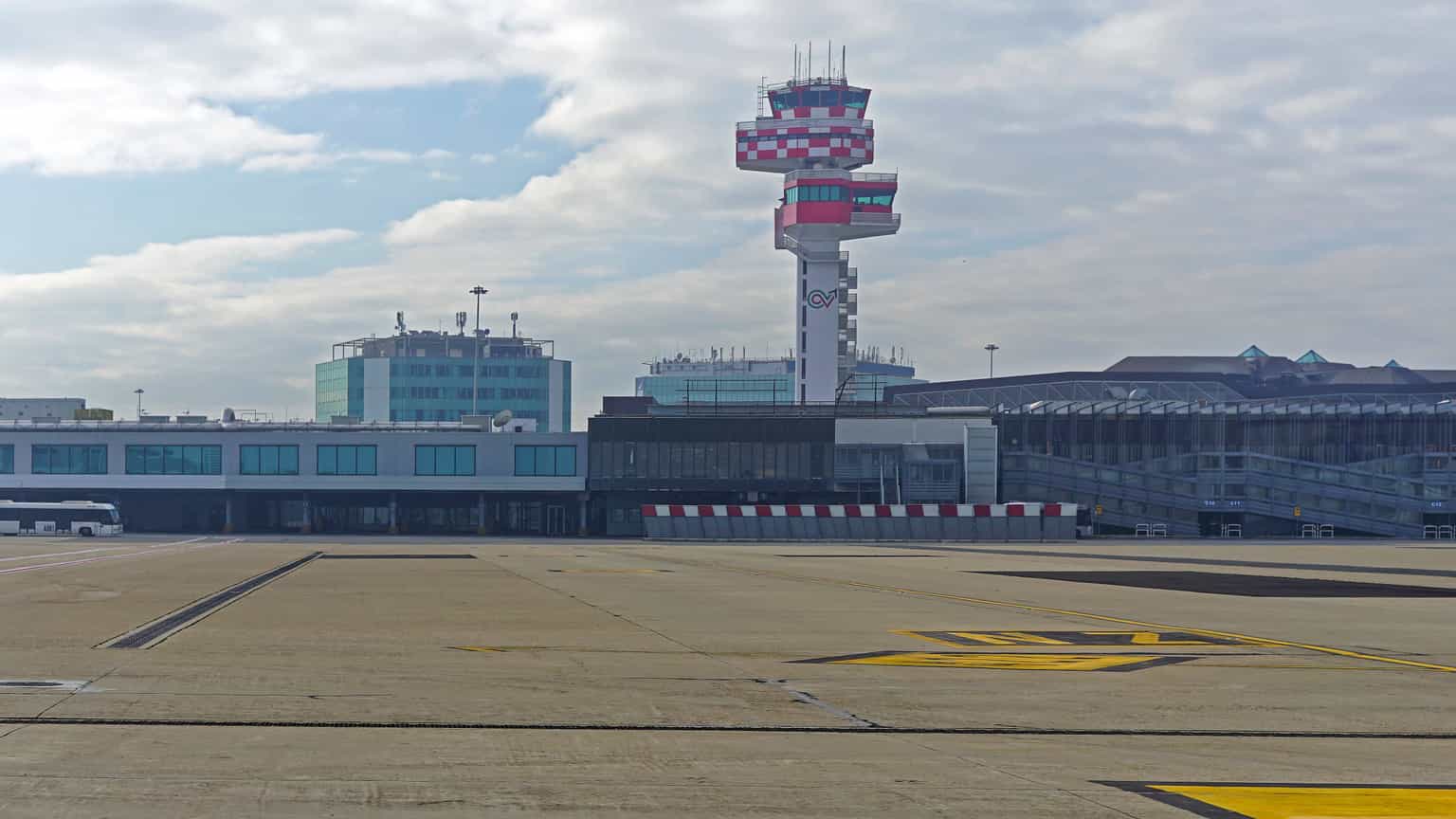
Travel chaos across Italian airports after air traffic control failure
Air traffic management capacity has been slashed in half Travel chaos has struck Italy’s major airports after an air traffic control failure left capacity halved on Friday. Hundreds of flights across Italy have been delayed and over 100 cancelled due to “anomalies” with air traffic control (ATC) services. The Italian air navigation service provider, ENAV, […]
News
7h

News
Abu Dhabi Royal was found passed out on street in London after ‘cocaine binge’
News