








News

Share
Published 15:23 27 Jul 2025 BST
Updated 15:23 27 Jul 2025 BST
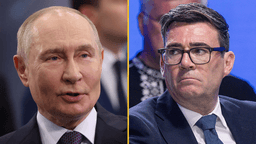
Russia is 'preparing to invade a new European country' amid NATO fears.
Not very settling news...
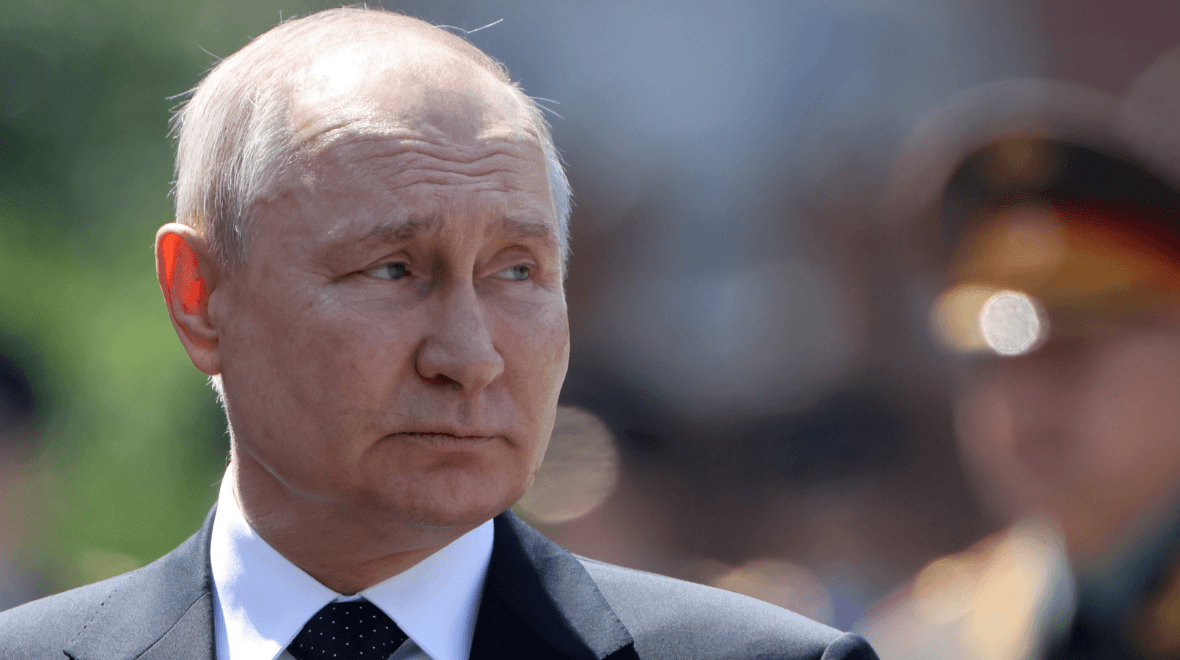
Concerns have been raised by an expert that Putin may be planning to invade another European country as fears of wider conflict spread through the continent.
Last month, the Institute for the Study of War (ISW) reported that Moscow is laying the groundwork to move into Moldova and the Baltic states.
They reasoned a supposed obligation to defend its 'compatriots abroad.'
This echoes the 'Russian Mir' concept, which promotes a 'Russian world' beyond its borders.
Experts have indicated that this narrative is similar to the one they employed to justify a full-scale assault on Ukraine in 2022.
It was further highlighted earlier this year that Russian security forces have continued to engage in covert operations against the US and its allies.
This is seen as rehearsals for further conflict with NATO.
US Cybersecurity and Infrastructure Security Agency (CISA), as well as intelligence agencies from several European countries revealed that Russia's GRU was targeting sectors such as defence, transport, and IT services in NATO countries, as well as Romania, Moldova, and Ukraine.
These warnings have caused specialists to voice their concerns about the conflict seeping further into Europe.
Writing for The Telegraph, Russian-born US intelligence expert Rebekah Koffler commented: "As a military intelligence analyst specialising in Putin's thinking and Russian military strategy, I agree with Rutte's assessment about Russia's readiness for another offensive military campaign in just a few years.
"Nevertheless, what NATO does or doesn't do in the next few years could be highly significant in determining whether Putin decides to attack another post-Soviet state - such as Moldova," she added.
She warned that Russia aims to destroy NATO's 'network-centric approach to war.'
Koffler urged member states to go beyond merely spending money and gain a deeper understanding of the alliance's weaknesses.
She further added the importance to recognise the Kremlin's tendency to employ indirect tactics in confronting its adversaries, rather than outright aggression.

News

News

News

News
MI5 accepts it gave evidence based on lies to three courts
A report found ‘serious and systemic failures in MI5’s conduct’ Evidence based on lies was given to three courts by MI5 while its senior officers were repeatedly dishonest, it has been revealed. The admission by the security service was made at a High Court hearing on Friday (18 September) in London. Representing MI5, Timothy Otty […]
News
1 day ago
UK teenagers’ place in European happiness rankings makes grim reading
British teenagers ranked least happy for second year in a row The UK is known for topping charts, whether in higher education and research, creative industries such as film and music, and of course we rank number one in sausage rolls. However, the UK is also a top charting country when it comes to teenagers’ […]
News
1 day ago

News
Could the UK follow Canada’s path to EU ‘associate membership’?
News