





News

Share
Published 09:46 9 Sept 2026 BST
Updated 09:50 9 Sept 2026 BST
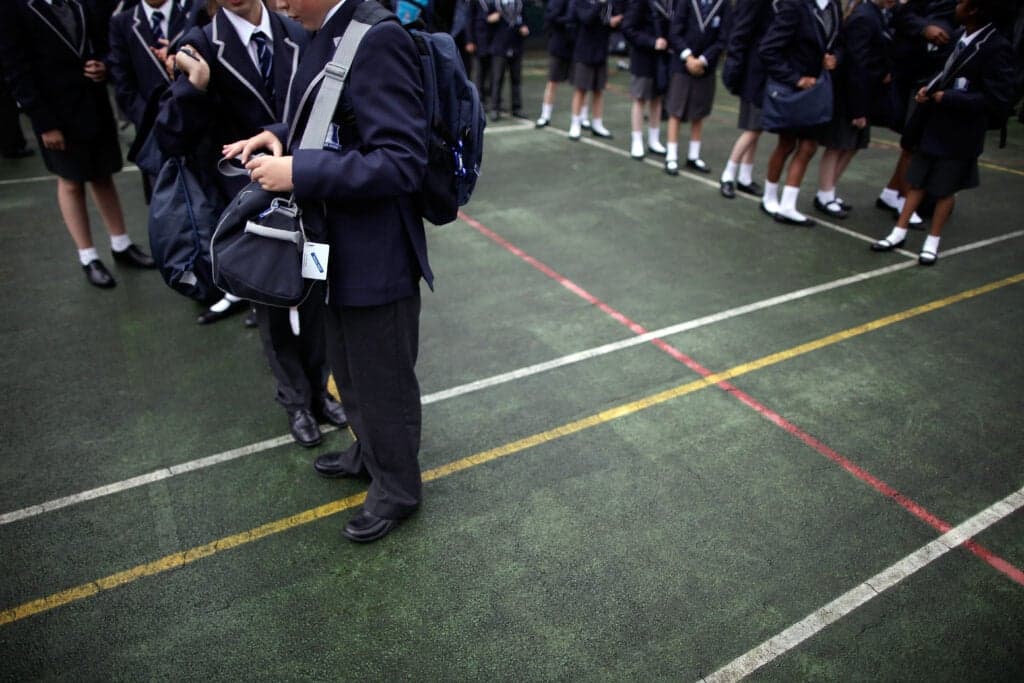
The 2025 Program for International Student Assessment (Pisa) results landed on Tuesday morning, and they tell two very different stories depending on which side of a UK border you happen to sit a GCSE.
English pupils have pulled ahead of the rest of the UK in international reading, maths and science tests, with reading and maths scores slumping in every UK nation except England.
All four nations recorded an uptick in science, and there too the rise was most notable in England.
Run every three years by the Organisation for Economic Co-operation and Development, Pisa assesses teenagers on their ability to solve problems, think critically and communicate, before asking them a wider range of questions about their education in a questionnaire.
The 2025 round was taken by a sample of 760,000 15-year-olds across 91 countries. In the UK, 15,566 students sat the tests in 515 schools.
England, where the curriculum is significantly different, pulled consistently ahead of Northern Ireland, Scotland and Wales. English teenagers hit 516 in science, up 13 points on three years earlier.
England's schools minister, Georgia Gould, said the government wanted to "build on" the positive results and "go further so all young people leave school with strong literacy and numeracy."
With technical subjects recently announced as an option for students from age 14, she held up high-performing Estonia as an example of where "academic excellence can go hand in hand with high-quality vocational routes", a theme that runs through the government's push for 10,000 new work placements.
"Our reforms will build on England's strong academic foundations so future generations not only perform well, but feel connected to school and excited about where their education can take them," Gould added.
Education has been one of the busier briefs since Andy Burnham's first month in power, and you can read the BBC's breakdown of the England figures in full.
Wales' performance has fallen further behind the other UK nations where its biggest drop came in maths.
The average score fell from 466 to 456 while other UK nations were broadly stable, hence the widening gap.
Reading also fell from 466 to 459, whereas science, the focus subject this time round, was the only area up, from 473 to 476, though improvements in other countries were greater.
When results were last published in 2023, Wales recorded its lowest ever scores in all three subjects.
The OECD said the latest figures showed Wales' "overall downward trend still continuing".
In Wales, 113 schools took part with 3,406 pupils sitting the tests. Anna Brychan, the minister for education and Welsh language, said plans were in place to support schools to raise standards.
There is more on Wales falling further behind the rest of the UK.
Pupils at Ysgol Gyfun Gymraeg Glantaf in Cardiff sat the tests in 2025. Caron, 16, said it was different to usual assessments because they didn't revise for it and it was online rather than on paper, "so that felt a bit weird."
"Depending on how you answered it, it got easier or harder so it varied depending on how well you did," she said.
Beyond the league table, the report carried a global warning: teenagers' reading skills are declining worldwide, and they are losing the skills that "matter most in the age of AI", such as being able to critically evaluate information from different sources.
The share of "hasty readers", those who rush through texts to give quick, incorrect answers, has almost doubled between 2018 and 2025.
Additionally, the report noted that the fall was greatest among pupils from "relatively well off" families.
News

News
News
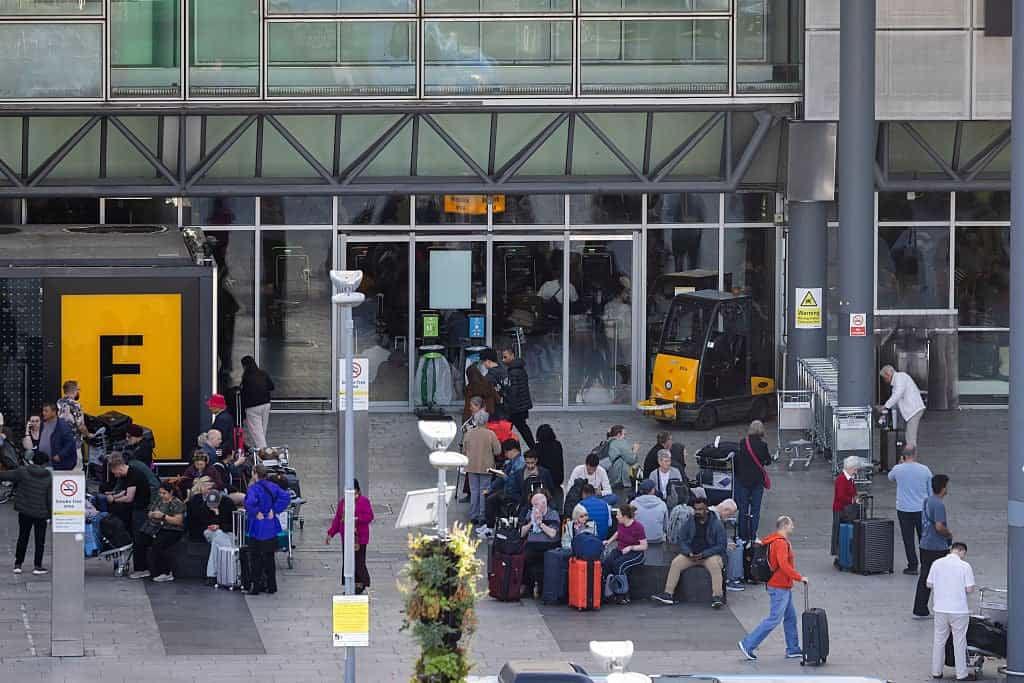
Update given after air traffic control failure leaves UK airports in chaos
A ground stop for departures was implemented earlier today An update has been provided after an air traffic control failure left airports across the UK in chaos. The issues at the airports were first reported early on Tuesday afternoon (8 September) as aviation news site Air Live said that all flights from the Heathrow and […]
News
16h
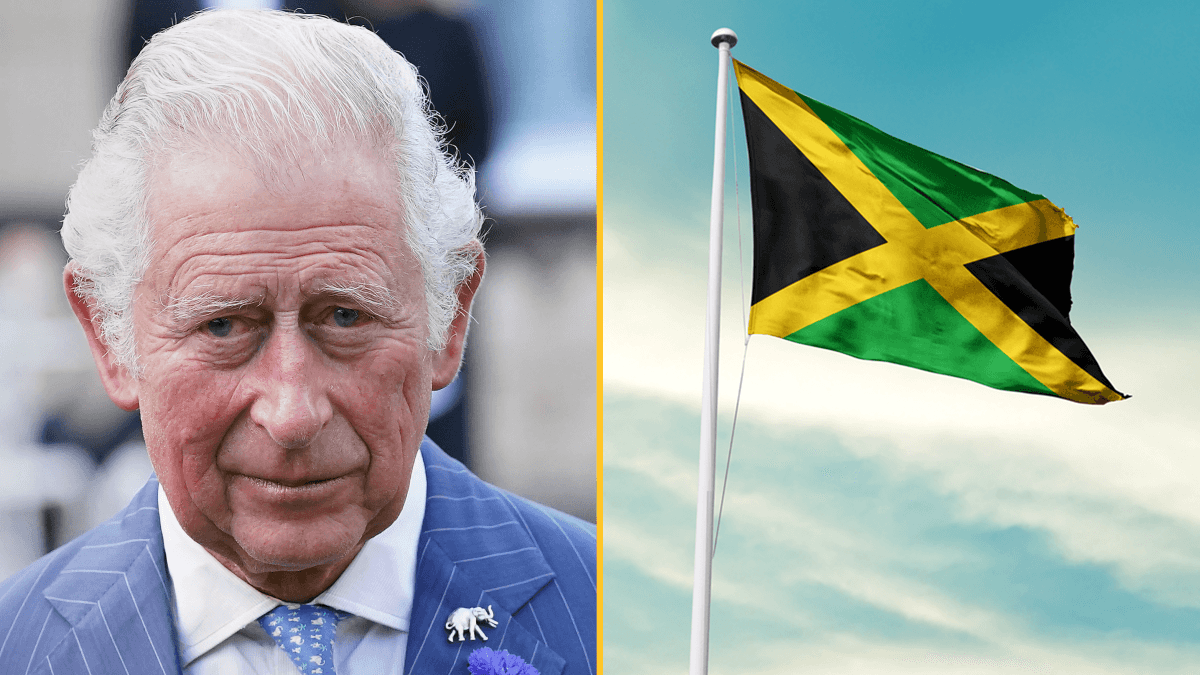
Jamaica is asking King Charles for slavery reparations – here’s why
They’re also meeting the British Museum for a return of cultural artefacts A petition by Jamaica has been filed to King Charles over the enslavement of Africans in the country. According to ITV, Jamaica’s government has presented to the King a slavery reparation petition, questioning the legality of the UK’s involvement in the slave trade. […]
News
16h
News
UK to announce sanctions on Israeli West Bank settlements as part of ‘reset’ of policy on Israel
News