








News

Share
Published 17:09 8 May 2025 BST
Updated 17:09 8 May 2025 BST
Universal Credit households across the UK will benefit from an extra £420 per year thanks to the government's Plan for Change.
1.2 million of the poorest residents, including 700,000 with children, are eligible, as the powers that be want to help clear debts by pouring more funds into people's accounts whilst also improving living standards.
According to LBC, this so-called Fair Repayment Rate limits how much those in debt can have chipped off their benefit money to pay what they owe.
As of today (May 7), the maximum amount is 15%, compared to the previous 25%.
Chancellor Rachel Reeves, who unveiled this rule change at the Autumn Budget, said: "As announced at the budget, from today, 1.2 million households will keep more of their Universal Credit and will be on average £420 better off a year. This is our plan for change delivering, easing the cost of living and putting more money into the pockets of working people."
Work and pensions secretary Liz Kendall went on to add: "As part of our Plan for Change, we are taking decisive action to ensure working people keep more of the benefits they’re entitled to - which will boost financial security and improve living standards up and down the country.
"We're delivering meaningful change to ensure everyone has a fair chance, the support they need, and real hope for the future."
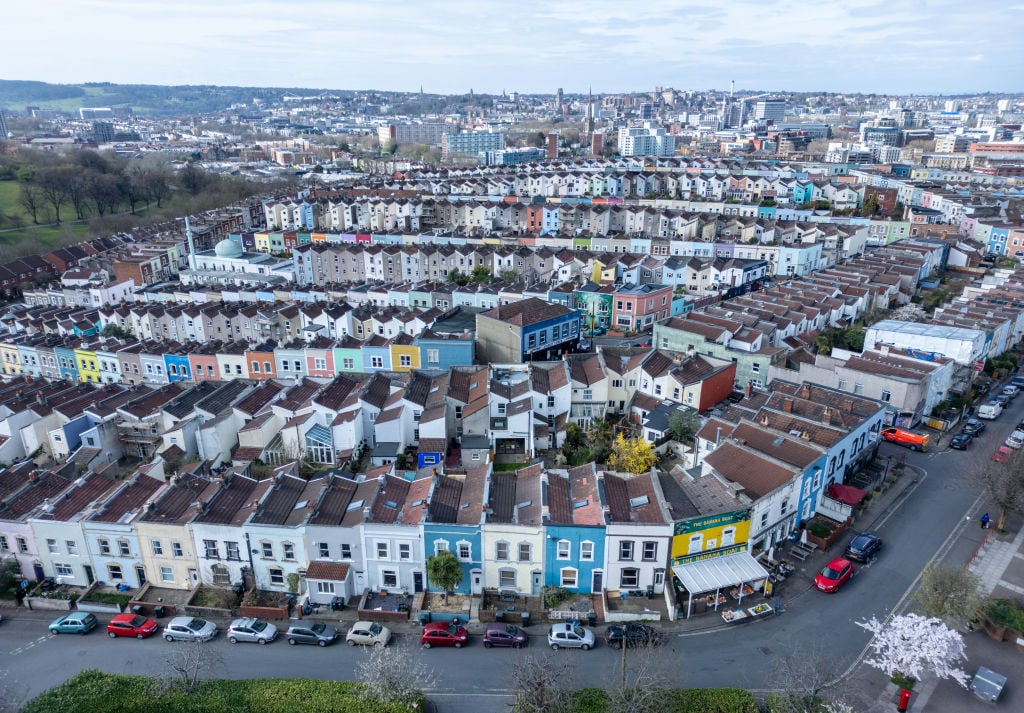
In other news, thousands of Brits are now in line to get deposit-less mortgages through Barclays bank.
Barclays recently revealed that it would be calling upon the Right to Buy (RTB) scheme in place of a house deposit for tenants wanting to purchase their council or house association properties.
RTB was first introduced by the UK government under the Housing Act of 1980 as a way of upping the numbers of homeowners – allowing eligible council-housers across England and Wales to buy their rented homes at a discounted rate.
Those people looking to finally nail down a mortgage were previously required to supply a monetary deposit, but Barclays customers won’t need to anymore.
Explore more on these topics:

News

News

News
News
Travel chaos across Italian airports after air traffic control failure
Air traffic management capacity has been slashed in half Travel chaos has struck Italy’s major airports after an air traffic control failure left capacity halved on Friday. Hundreds of flights across Italy have been delayed and over 100 cancelled due to “anomalies” with air traffic control (ATC) services. The Italian air navigation service provider, ENAV, […]
News
1 day ago
Cyprus hotel fall: Essex dad fined after son’s death
The toddler plunged almost 40ft from the hotel window A father has been fined €3,000 (£2,500) by a court in Cyprus after his young son died in a fall from a hotel window during their family getaway. Joshua Foster, 37, from Essex, appeared at Paphos District Court on Friday. He admitted an offence relating to […]
News
1 day ago

News
Execution of mass killer will not be livestreamed, Trump says
News