







News

Share
Published 11:26 8 Aug 2025 BST
Updated 11:26 8 Aug 2025 BST
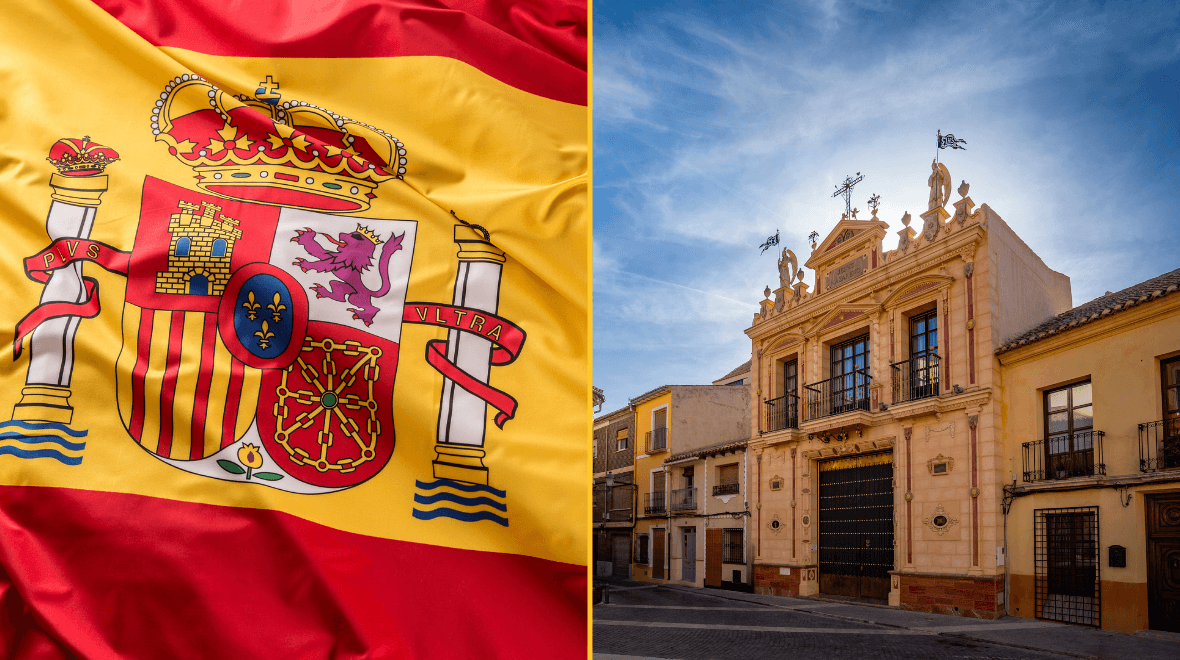
A local authority in Spain has banned its Muslim population from using venues like civic centres and gyms to celebrate religious festivals.
Examples of religious festivals that have been banned are Eid al-Fitr — the traditional celebration that marks the end of Ramadan — and Eid al-Adha.
The ban — which is a first for Spain— is set to take place across the town of Jumilla in Murcia.
As per the new proposal, “municipal sports facilities cannot be used for religious, cultural or social activities alien to our identity unless organised by the local authority.”
The new rules were pushed through by the area’s conservative People’s party (PP) and were eventually passed by the abstention by the far-right Vox party, despite the opposition of local left-wing parties.
The local Vox party posted on X: “Thanks to Vox the first measure to ban Islamic festivals in Spain’s public spaces has been passed. Spain is and will be forever the land of Christian people.”
The ban has been condemned by the president of Spanish federation of Islamic organisations.
Speaking to Spain’s El País newspaper, he called the decision “Islamophobic and discriminatory”.
Adding: “They’re not going after other religions, they’re going after ours.
“For the first time in 30 years I feel afraid.”
According to recent estimates, Jumilla has a population of about 27,000, of which around 7.5% are believed to have some Muslim heritage.
Despite being passed by the local authority, the ban is likely to face a serious legal challenge.
It could be in breach of article 16 of the Spanish constitution which states: “Freedom of ideology, religion and worship of individuals and communities is guaranteed, with no other restriction on their expression than may be necessary to maintain public order as protected by law”.
The local socialist leader in Murcia, Francisco Lucas, spoke out on the ban.
He wrote on X/Twitter: “The PP [the political party who passed the ban] violates the constitution and puts social cohesion as risk simply in the pursuit of power.”
A former socialist mayor of the town has added to those criticisms, calling the ban an insult to Jumilla’s history of religious diversity.
He said: “What do they mean by identity? And what about the centuries of Muslim legacy here?”
Jumilla — known as Yumil-la for more than 400 years— was a principally Arab town from the eighth century until the mid-13th century.
News

News

News
News
How ready is the UK for conflict as all government departments told to update ‘war book’?
The UK is working on new plans in the event of a military attack For the first time in decades, all UK government departments are required to plan for how they might respond to a conflict. According to the latest reports, this will happen through a move to update something called the war book. In […]
News
17h
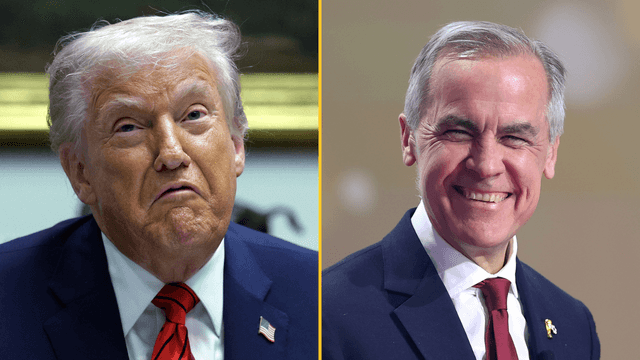
Watch: Mark Carney mocks Donald Trump with hand gesture
‘Accordion hands’ rarely looked more accurate Canadian Prime Minister Mark Carney appeared to mock US President Donald Trump during a speech. During a Liberal caucus address, among other things Carney promised to push legislation on social media safety. He said that Canada can lead the world in digital safeguards, including on AI. Meanwhile, he also […]
News
20h
News
MI5 accepts it gave evidence based on lies to three courts
News