







News

Share
Published 15:49 18 Jan 2025 GMT
Updated 15:50 18 Jan 2025 GMT
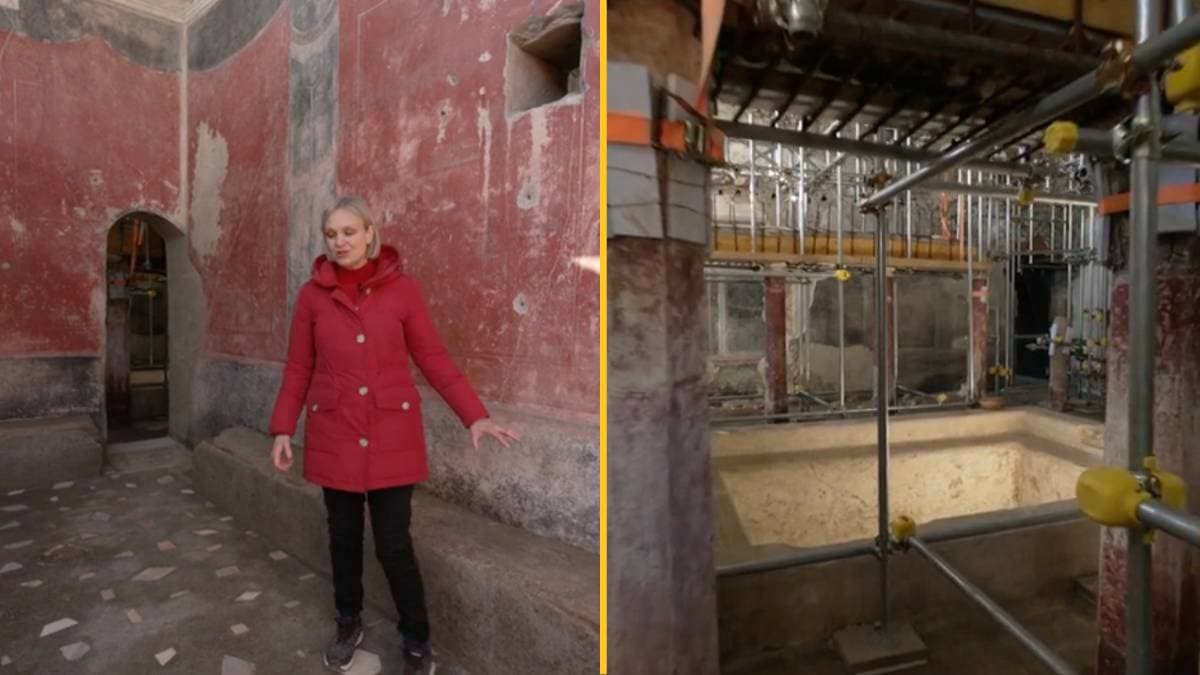
Archaeologists are celebrating a "once-in-a-century" find after a major insight into what life was like in the ancient Roman city of Pompeii was uncovered.
2,000 years on from the southern Italian city becoming completely covered in ash, a team of archaeologists have now discovered a private bathhouse.
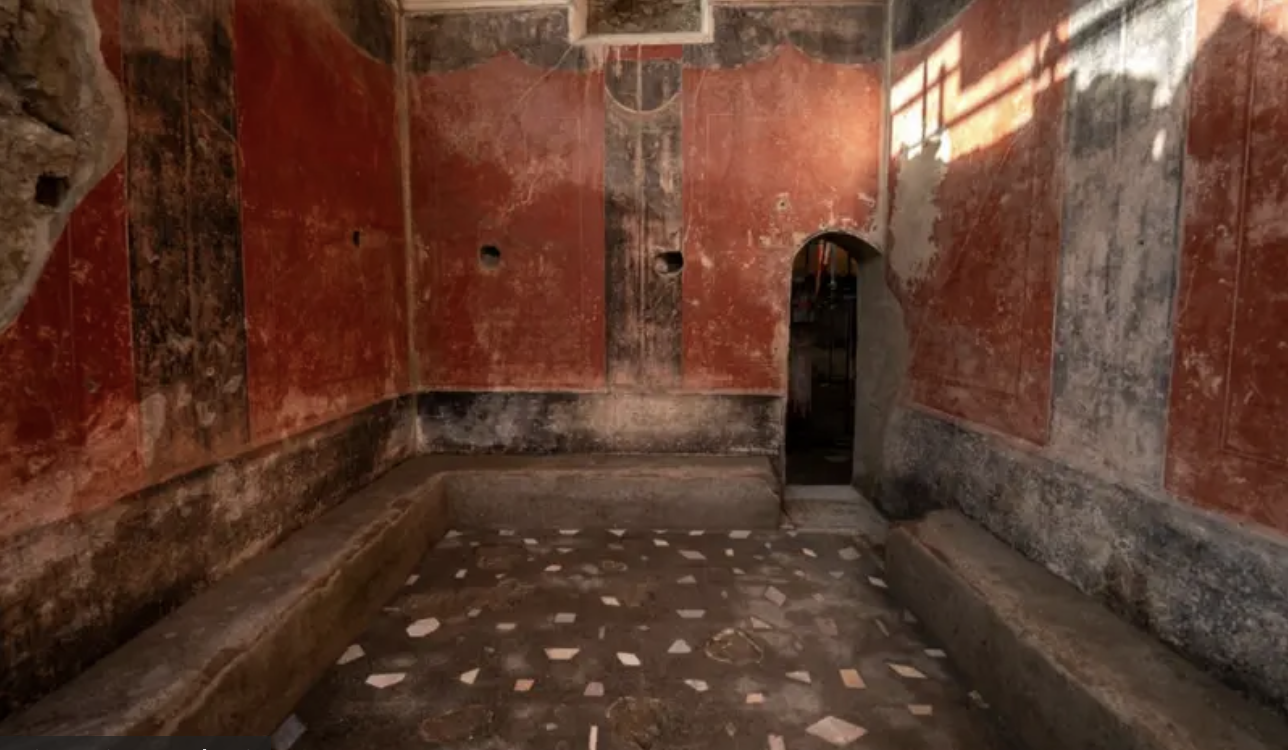
The luxurious spa features hot, warm and cold rooms, fancy artwork and even a huge plunge pool.
It is located in the middle of a grand residence that has been unearthed following an excavation over the past two years.
A BBC documentary, titled The New Dig, followed the archaeology team through the process of unearthing the ancient spa.
Speaking to BBC News, Dr Gabriel Zuchtriegel, director of the Archaeological Park of Pompeii, explained: "It's these spaces that really are part of the 'Pompeii effect' - it's almost as if the people had only left a minute ago."
The bathhouse is part of an entire block, featuring a laundry, bakery and a large private house, believed to be owned by one wealthy individual, potentially influential politician Aulus Rustius Verus.
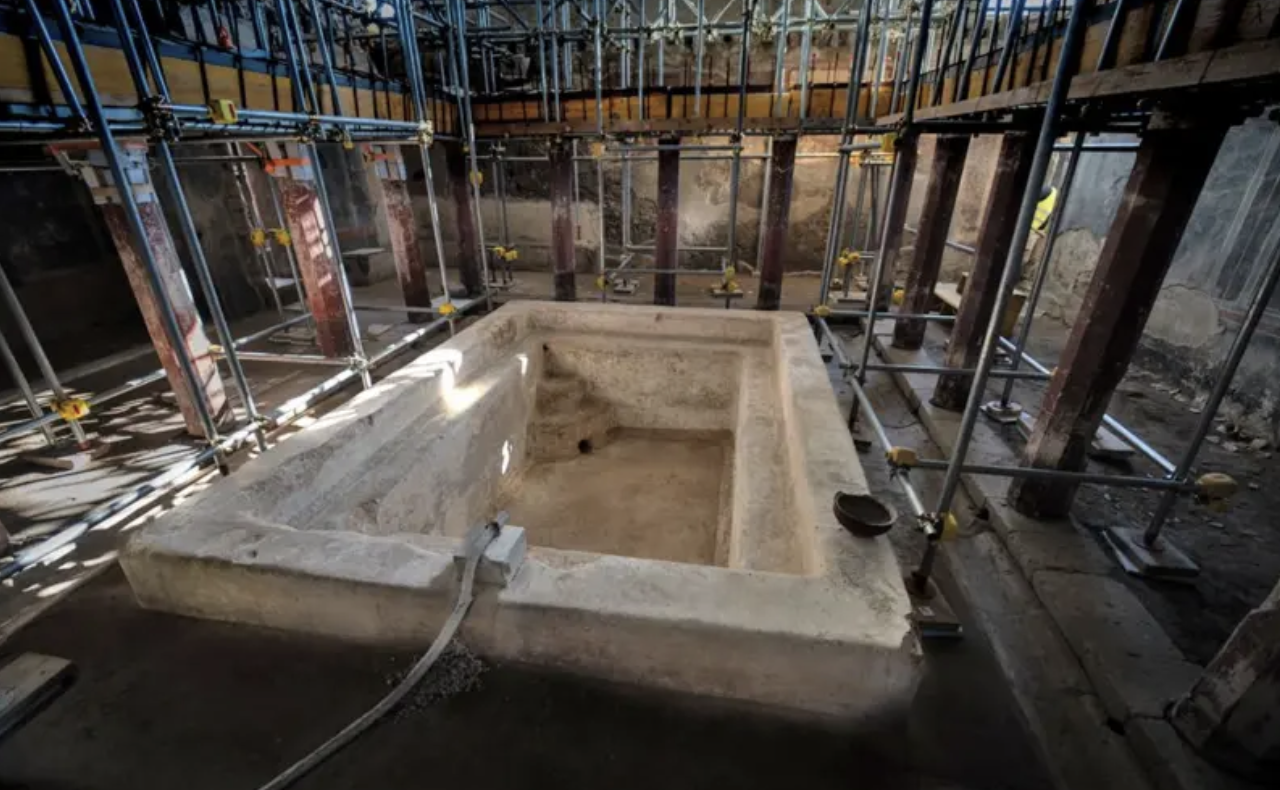
"There are just a few houses that have a private bath complex, so it was something really for the wealthiest of the wealthy," Dr Zuchtriegel highlighted. "And this is so huge - it's probably the biggest bath complex in a Pompeiian private home."
Analysis of two skeletons discovered in the house also shows the horror faced by Pompeii's inhabitants when Mount Vesuvius erupted in AD79.
The bodies belonged to a woman, aged between 35 and 50, who was clutching jewellery and coins, and a younger man in his teens or early 20s.
They had barricaded themselves into a small room, but were killed as a tsunami of superheated volcanic gas and ash - known as a pyroclastic flow - ripped through the town.
A third of the ancient city still lies hidden beneath volcanic debris from the disaster, but the new excavation - the most extensive in a generation - provides new insights into ancient Roman life.
The wealthy city had 10,000 to 20,000 residents in its hay day, though following the two-day eruption of Mount Vesuvius, it was preserved under a layer of ash.
Most residents were able to escape during the first phase of pumice rain - which lasted 18 hours - though over 1,100 bodies have been discovered on-site.
The ruins of Pompeii are now a UNESCO World Heritage Site, welcoming over 2.5 million visitors every year.

News

News

News

News
Loch Lomond crash: boy, 16, and man, 80, killed in light aircraft crash near Drymen
Major incident declared after fatal plane crash Two people have died following a light aircraft crash in Stirlingshire, prompting a major emergency response and an investigation into the circumstances surrounding the incident. The victims were a 16-year-old boy and an 80-year-old man, who were both found dead after the aircraft came down near Drymen on […]
News
1h
White House press secretary Katie Zacharia fired after five days in position
It comes after Trump said she should ‘reconsider’ her job White House press secretary Katie Zacharia has been fired after five days in the position, as per reports. Zacharia had a tough start to life in the role, hosting a briefing on Tuesday which caused a lot of criticism and raised a number of questions. […]
News
22h
Piers Morgan urges Trump to side with Ukraine against ‘modern-day Hitler’ Putin
News