




News

Share
Published 15:43 3 Sept 2026 BST
Updated 14:57 3 Sept 2026 BST
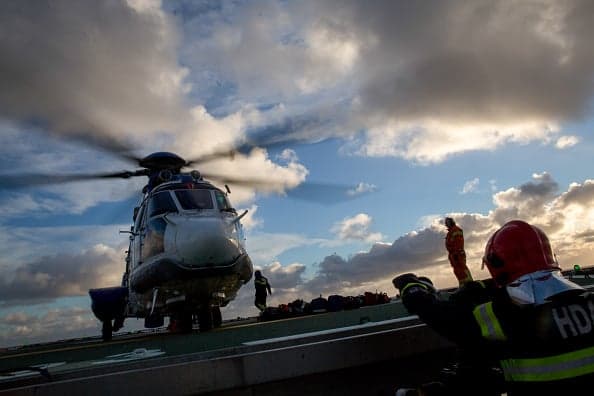
Hundreds of North Sea workers remain above the weight limit for offshore helicopter travel with less than two months until new rules come into force, BBC Scotland has found.
From November, anyone flying offshore should weigh no more than 124.7kg (19.5st) in their clothing and footwear, so that they can be winched to safety in an emergency.
When the plans were announced last year by industry body Offshore Energies UK (OEUK), more than 2,200 workers were above that limit.
However, new figures suggest up to 800 still exceed it, as findings were reported by BBC Scotland from Aberdeen.
The policy followed a warning from the Maritime and Coastguard Agency that rescue winches, critical during offshore emergencies, cannot safely lift heavier people.
The 249kg (39st) maximum winch load covers the passenger, a 90.3kg rescue worker, a 29kg stretcher and 5kg of kit.
OEUK said the average weight of offshore workers has risen by almost 10kg since 2008.
Updated industry figures show about 3.4% of the offshore workforce now weighs more than 124kg, down from an estimated 4.7%.
Jobs could go as a result. An occupational health expert said some workers had left the offshore industry rather than lose the weight, while an employment law specialist said companies could explore alternative onshore roles instead.
It is the second physical restriction on offshore flights.
Rules on shoulder size came in earlier, with passengers measuring 22in (56cm) or more classed as "extra broad" and seated beside a similarly large window so they could escape.
The change lands on an energy sector already under strain, including the cyber attack that shut a UK power plant for four days.
Explore more on these topics:
News
News
News
News
Wainwright fire kills several at Canada military base
A nearby hospital declared a mass-casualty emergency A fire at a Canadian military base has caused the deaths of several people and left dozens of others injured. The fire broke out at Canadian Forces Base Wainwright on Saturday evening, as per the BBC. According to Canadian broadcaster Global News, which cited unnamed military sources, at […]
News
1 day ago
Store closures confirmed as HMV and Typo shut UK shops
More high street closures as retailers battle rising rents The UK retail landscape is set for another shake-up, with four familiar names preparing to close stores as businesses grapple with expensive leases and changing sales. Stationery retailer Typo is withdrawing from the British market altogether, putting its remaining 13 shops at risk of closure. Meanwhile, […]
News
1 day ago

News
Government plans to expand BBC licence fee with proposed ‘YouTube Tax’
News