




News

Share
Published 11:47 19 Mar 2025 GMT
Updated 12:18 19 Mar 2025 GMT
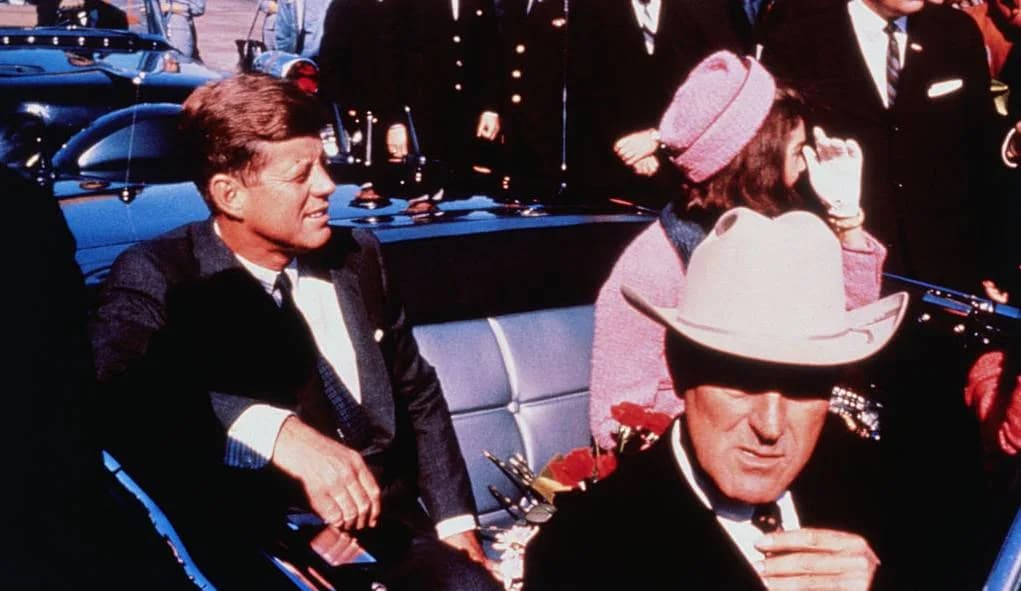
A newly-released file from the investigation into JFK's assassination has alleged that a CIA agent fled Washington in a hurry a day after Kennedy's death, only to be found dead months later.
The Trump administration released thousands of pages of files concerning the assassination of the 35th president of the United States on Tuesday.
John F. Kennedy was shot dead during a motorcade through Dallas, Texas, in November 1963.
His suspected killer, Lee Harvey Oswald, was killed two days later by Jack Ruby - a Dallas nightclub owner.
Ever since, Kennedy’s death has been the subject of immense scholarship, cultural commentary and spiralling conspiracy theories.
One interesting insight that emerged this week concerns a CIA operative by the name of Gary Underhill.
As reported by Republic World, one of the digital documents made available by Trump alleges that Underhill told his friend that the intelligence agency was responsible for the former president's death.
The state employee reportedly fled Washington in a hurry a day after Kennedy's death.
“The day after the assassination, Gary Underhill left Washington in a hurry. Late in the evening he showed up at the home of friends in New Jersey,” the unredacted document states.
The document describes Gary Underhill's behaviour as agitated, adding that he feared for his life.
Less than six months after this, the CIA operative was found dead in his Washington residence.
The coroner ruled his death as suicide, however the newly-declassified files note that the suicide angle to Gary Underhill's death is “by no means convincing”.
He had been shot behind the left ear, and an automatic pistol was under his left side.
A friend described this as odd, pointing out that Underhill was right-handed.
More than 1,100 files, consisting of over 31,000 pages, were posted on the US National Archives and Records Administration's website on Tuesday evening.
Some of the documents included references to various conspiracy theories suggesting that Oswald left the Soviet Union in 1962 intent on assassinating the popular young president.
Other files diminished any suggestion that Cuban leader Fidel Castro was involved in the assassination.
The documents suggest that Castro would not go so far as to provoke a war with the United States or escalate to the point “that would seriously and immediately endanger" his own regime.
Trump’s decision to release the confidential files comes weeks after the death at 93 of Clint Hill, a Secret Service agent who leapt onto Kennedy’s car to tend to his injured leader.
Explore more on these topics:

News
News
News

News
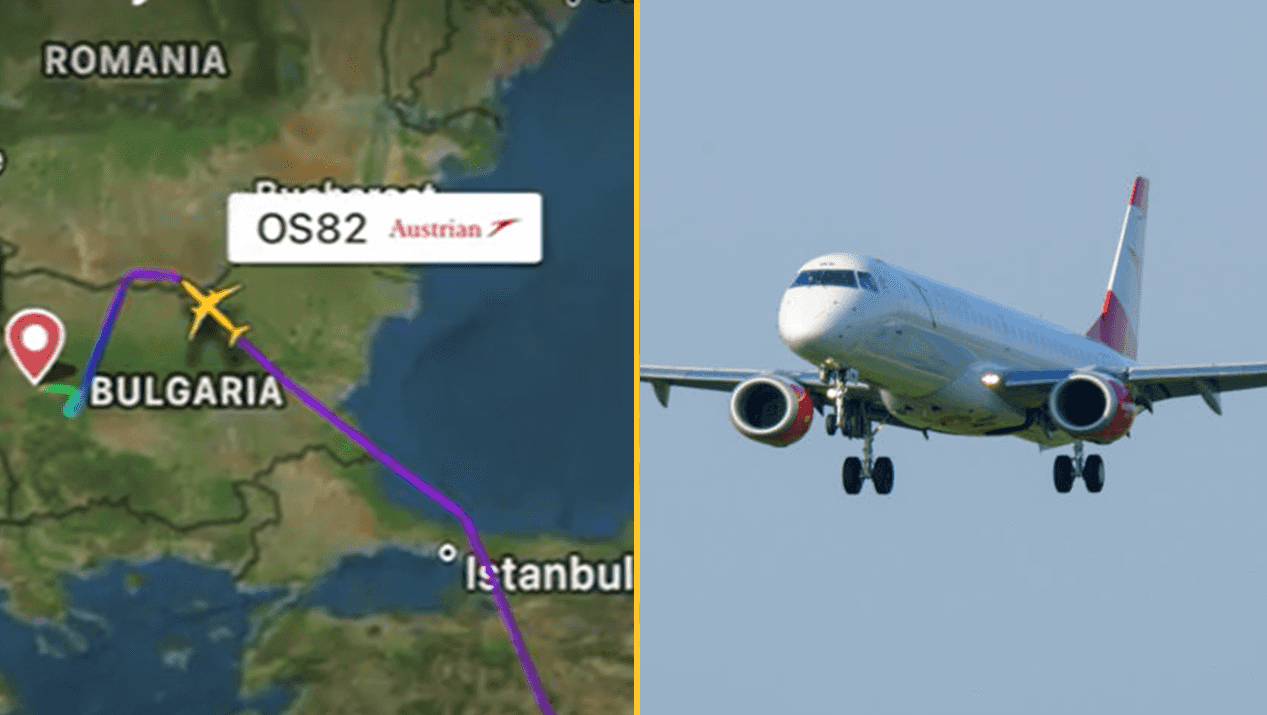
Emergency landing after bomb threat on flight from Tel Aviv to Vienna
The plane was accompanied by an Air Force fighter Following a bomb threat, a plane which was headed to Austria from Israel has landed in Bulgaria. The flight from Tel Aviv to Vienna was diverted to land in Sofia, Bulgaria’s capital, after what was described as a “bomb threat signal” by Bulgaria’s Ministry of Transport […]
News
18h
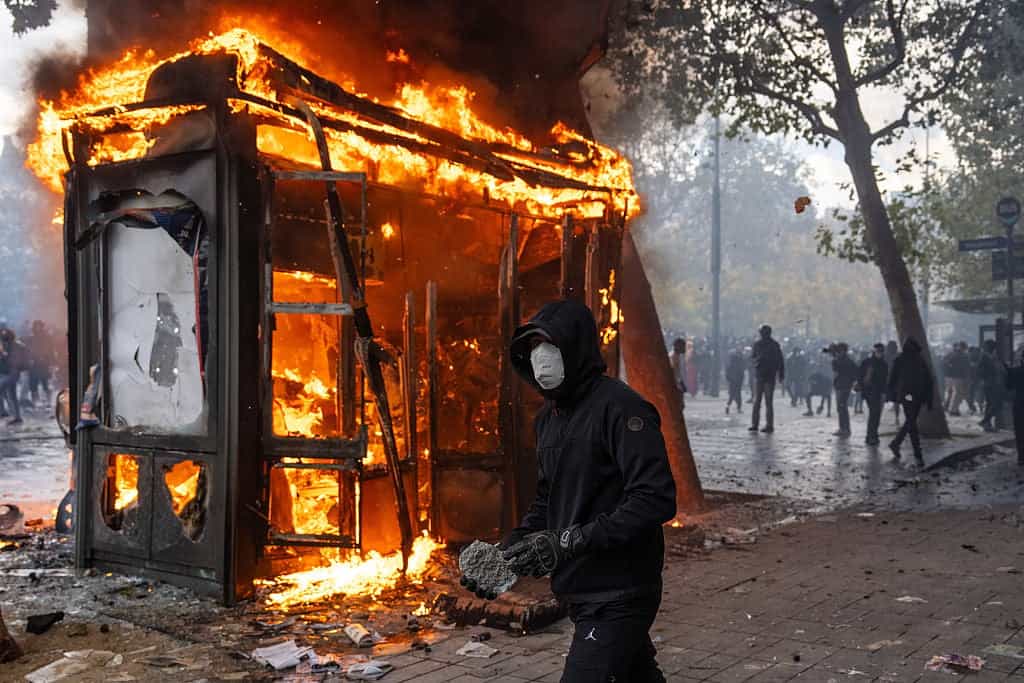
Paris riots leave cars torched and shops looted as 1,800 arrested
Around 550,000 took part in protests Riots over the weekend in Paris have left burnt-out cars, smashed shopfronts and looted stores across the city, as police have arrested almost 1,800 people. The riots in the French capital erupted after a day of mass demonstrations against rising fuel prices, the cost of living and deteriorating public […]
News
1 day ago
News
Travel chaos across Italian airports after air traffic control failure
News