Right, now check alcohol and hangovers
Our actions have consequences, and there are few scenarios where this is more applicable than on a night out.
After all, whatever goes up, must come down.
But, according to a new study, it isn't that clear-cut what it comes to MDMA.
New research suggests the drug doesn't cause the comedown that is so often experienced by users the next day.
The study,
Debunking the Myth of 'Blue Mondays', analysed the moods of 14 people taking part in an MDMA-assisted psychotherapy course to treat alcohol disorder.
Researchers found that participants in the course suffered no drop-off of mood following clinical MDMA use and were still in a jovial mood for a whole week after.
However, this doesn't mean comedowns don't exist.
Dr Ben Sessa, the co-author of the study and a research fellow at Imperial College, told
VICE: "To be clear - comedowns and Blue Mondays are real amongst recreational ecstasy users.
"I got some criticism of the paper on Twitter from people who misunderstood the paper; people thinking I was saying that comedowns don't exist - and multiple people posting that I was wrong to say they don’t happen because they have had them.
"But they were all missing the point. They do exist when MDMA is taken recreationally. The point I was making is that they don't exist when it is given clinically."
[caption id="attachment_319353" align="alignnone" width="2048"]
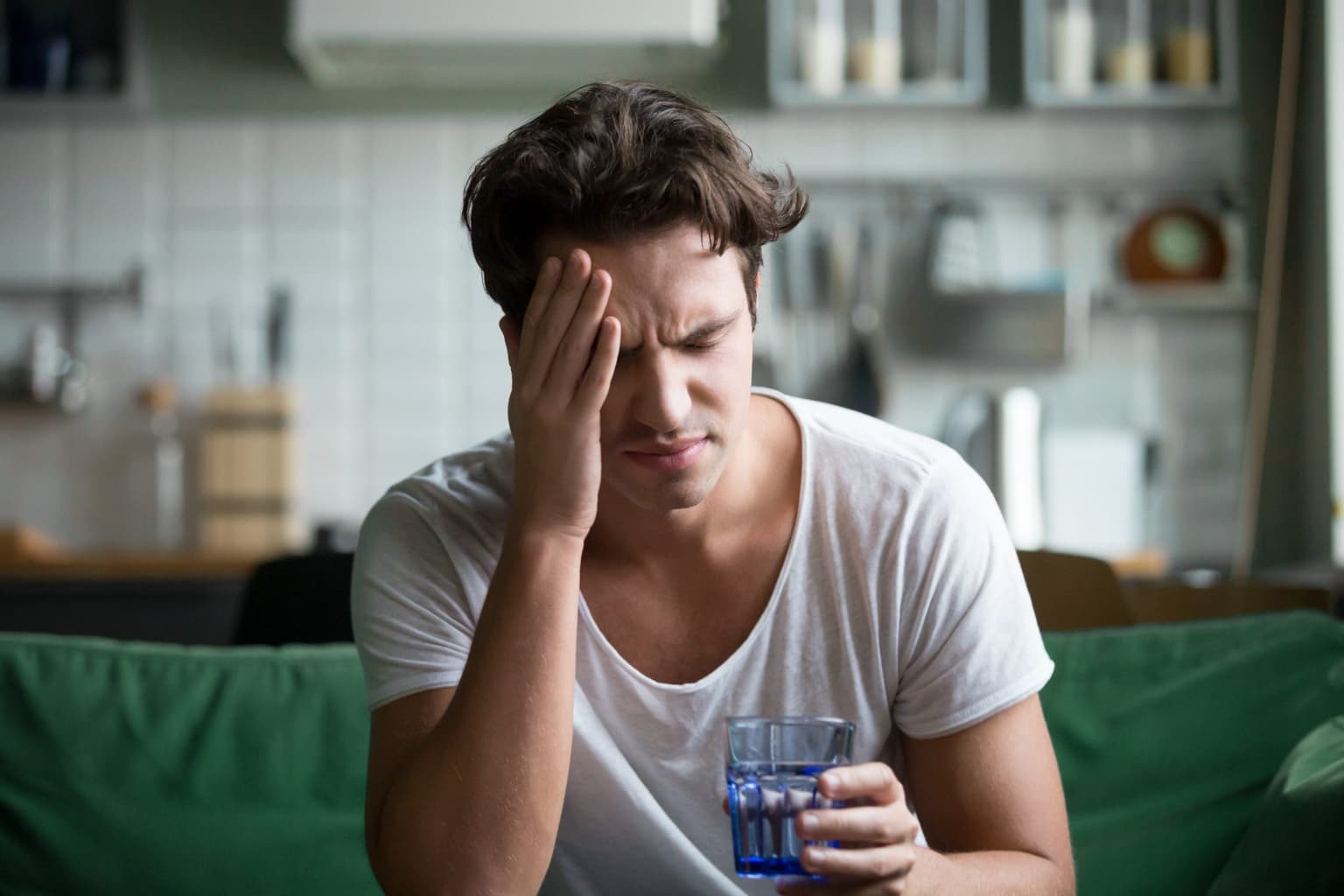
 It may not be the drugs causing the comedown (iStock)
[/caption]
There are a number of factors that explain why comedowns happen.
Firstly, Dr Sessa stressed, the "differences between clinical MDMA and recreational ecstasy are massive".
"An ecstasy tablet or a bag of crystal MDMA may contain anywhere between 0mg and 350mg of MDMA, plus any number of adulterants.
"In contrast, when we give MDMA clinically we use clinical-grade MDMA, which is 99.98 percent pure."
Dr Sessa said sleep loss is the "greatest difference and biggest contributor to ecstasy hangovers".
"People usually take recreational ecstasy at night. They stay up all night, missing out on sleep. This hugely contributes to feeling unwell and hungover the next day. The low mood effects persist for several days after missing a night’s sleep, which also causes this 'Blue Monday' effect a few days later."
During the test, participants were administered the drug at 9.30am and the effect were "worn off" by the evening, Dr Sessa explained, so they were back "to baseline and naturally tired".
Following a good night's sleep, they had no hangover effects, he said.
So, to conclude, either ditch the drugs so you don't stay up all night, or make sure you get enough sleep afterward.
Related links: