




News

Share
Published 17:19 20 May 2022 BST
Updated 12:51 31 Oct 2022 GMT
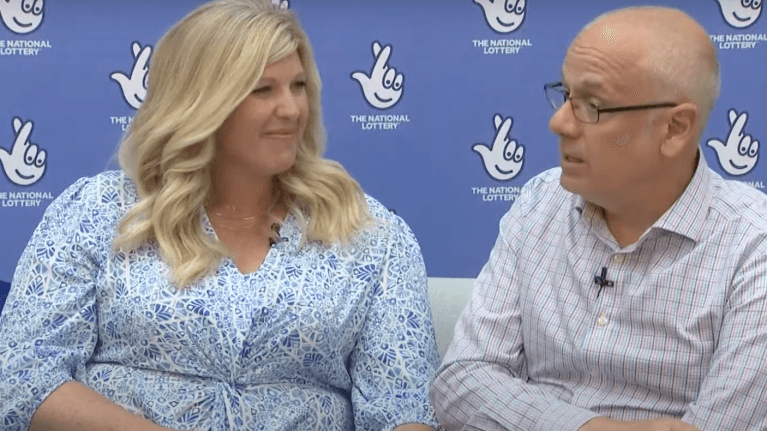
Jess said: “I don’t want to lie to family and friends, I want to enjoy it with them.
“Maybe, naively, I thought we could tell a few people and it would be fine. But the list gets longer and soon you realise it would be a burden asking them to keep it quiet. Telling people makes it easier.”
This was a similar reason to that given by Colin and Chris Weir when they won £161m in 2011. They told the Independent: "We would have preferred to stay anonymous, but we recognised it wasn’t a possibility. "We wouldn’t have been able to enjoy the experience if we had constructed lies to tell our nearest and dearest."But this isn't the only reason some go public though. Camelot provide a lot of support to lottery winners who decide to go public, helping with things like press conferences and handling media requests. Julie Jeffrey won a cool £1m in 2002, and explained to Yahoo: “Even if you only tell one person, things spread. Before you know it everybody knows. "And if you don’t take publicity, Camelot can’t acknowledge your existence, so they can’t help you or provide a backup." She added that if she had started "going on fancy trips abroad people would have noticed," and that this would have meant having all "the unwanted attention," but without any support from Camelot. Ultimately, it is completely up to the winners to decide whether they go public or not. There is never any financial incentive from Camelot for the winner to go public. A Camelot representative told Business Insider UK: “The decision to share their news or remain anonymous is completely up to the winner and depends on a number of factors including who they’ve told and what they plan to do with their win. "It’s fantastic when winners share their news but everyone is different. Ultimately it is up to the individual and we’ll support them whatever their decision." Related links:Explore more on these topics:
News

News

News

News
Two men and two women arrested after police officer shooting in Nottingham
BREAKING After a police officer was shot and injured in Nottingham city centre on Sunday, police have confirmed that arrests were made. The shooting occurred in the early hours of Sunday morning. Two men and two women have now been arrested in connection to the shooting. The Nottinghamshire Police officer was shot in the foot, […]
News
1 day ago
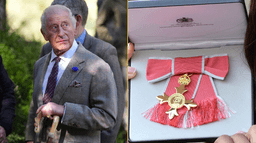
King Charles has stripped 15 people of their honours – Here’s the full list
King Charles has stripped 15 people of their honours so far this year. Receiving an honour from the British monarch represents one of the highest forms of recognition an individual in the United Kingdom can attain. However, such honours are not irrevocable and may be forfeited under certain circumstances. Usually, it is done for those […]
News
1 day ago
News