







News

Share
Published 15:23 23 Apr 2022 BST

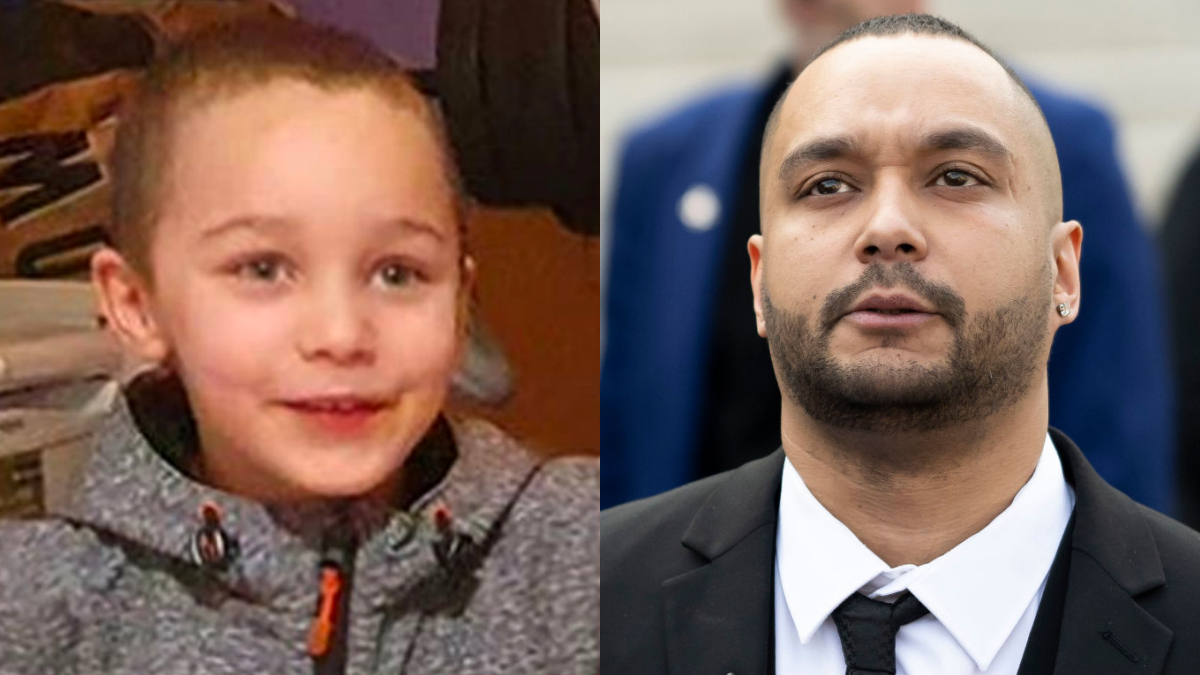 Credit: South Wales Police/Getty - Logan (L) and his biological father, Benjamin (R), reading a statement following the trial on April 21[/caption]
Professor Noelle Robertson, an expert in clinical psychology at the University of Leicester, said that while the majority of people on the jury's feelings would diminish over time, a small minority risk being "really profoundly affected".
"During difficult trials, it would not be unusual for people to be experiencing some degree of emotional disturbance", she told the BBC, adding that beyond simply feeling sad, "you might feel flat, you might notice that your sleep was disturbed, you might feel restless, you might feel physical tension."
She went on to warn that jurors can "continue to have intrusive thoughts about the process... have flashbacks" and "might re-imagine images they've seen [which] continue to intrude into their lives"."This can include warnings of distressing evidence as well as offering a range of support such as counselling from GPs and advice from the Samaritans."
Explore more on these topics:

News
News

News

News
Man who died in horror 150ft stadium fall named
The incident was seen by thousands A man who died after plunging 150ft (46m) in a horror stadium fall has been named. US Airman Tech Sargent Ian Patterson of the US Air Force died from his injuries after falling from the rafters of Texas’ Alamodome stadium. He was doing a fast-rope demonstration when the incident […]
News
1 day ago
Two men and two women arrested after police officer shooting in Nottingham
BREAKING After a police officer was shot and injured in Nottingham city centre on Sunday, police have confirmed that arrests were made. The shooting occurred in the early hours of Sunday morning. Two men and two women have now been arrested in connection to the shooting. The Nottinghamshire Police officer was shot in the foot, […]
News
1 day ago
Wainwright fire kills several at Canada military base
News