




News

Share
Published 16:21 8 Sept 2026 BST
Updated 16:21 8 Sept 2026 BST
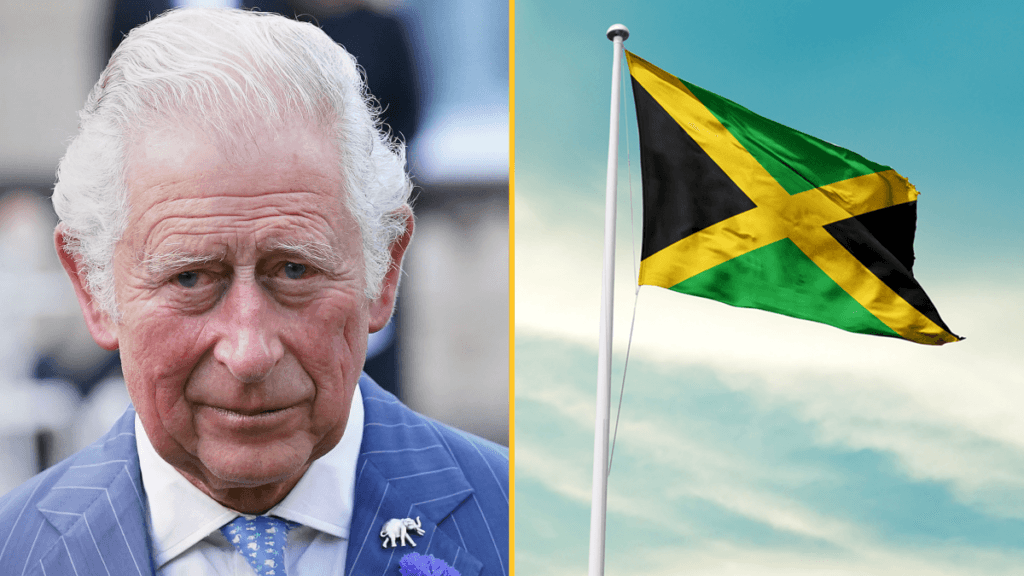
A petition by Jamaica has been filed to King Charles over the enslavement of Africans in the country.
According to ITV, Jamaica’s government has presented to the King a slavery reparation petition, questioning the legality of the UK’s involvement in the slave trade.
A Jamaican delegation travelled to London to deliver to the King the petition, through which he was asked to request advice from the Judicial Committee of the Privy Council, the Caribbean island’s highest court of appeal, on three questions related to chattel slavery.
In chattel slavery, the slave is legally rendered the personal property (chattel) of the slave owner.
Therefore, it refers to the ownership of people as property, meaning that with no legal rights or wage, they can be bought, sold or traded.
Between the 16th and 19th centuries, approximately 12.5 million African people were forcibly taken and forced into slavery by European nations.
The people that survived the trip across the Atlantic Ocean were enslaved on plantations in places like the Caribbean and the Americas, and the conditions were brutal.
The UK government has in recent years declined to pay amends or issue an official apology for the role Britain had in the slave trade.
Meanwhile, a growing numbers of Caribbean leaders called for various measures, which include debt cancellations.
For what the Jamaican delegation has called “the cause of reparatory justice”, this petition marks the first time that a Commonwealth state is using such a legal route.
At the same time, officials from the Jamaican government are meeting with the British Museum for a potential return of cultural artefacts that were taken from the first Jamaican people.
ITV reported that the petition is being led by Olivia Grange, Jamaica’s minister of culture, gender, entertainment and sport.
The first question asks if seizing Africans and forcibly transporting them to Jamaica as slaves was a breach of international law.
The second asks if the Britain is legally obliged to provide reparation to the people of Jamaica.
Meanwhile, the third questions if the forced transportation and enslavement of Africans as chattel was ever lawful under English law.
Across most of the empire, slavery was abolished in 1833, and the British government paid to slave owners a compensation of £20 million.
As this amounted to 40% of the Treasury’s annual income at the time, it forced them to take out massive loans to raise funds and it was only in 2015 when the debts were finally paid off.
Jamaica now wants answers about whether slavery was legal and if the UK should be held accountable, as per ITV.
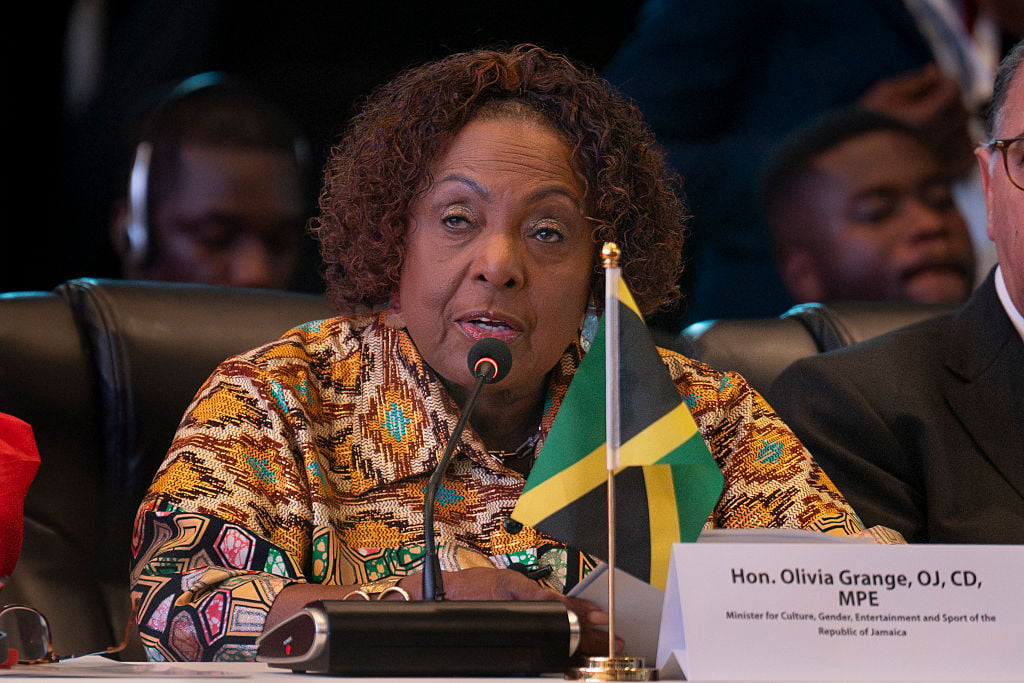
Olivia Grange, Minister for Culture, Gender, Entertainment and Sport of the Republic of Jamaica. Image: Getty.
As King Charles is head of state of Jamaica, he has the power to put Jamaica's questions to the Privy Council.
Then, he can decide whether Britain has a legal duty to provide redress.
“The King is the King of England, but he's also the King of Jamaica. And we felt it important to make that journey here in order to make the point”, Grange said.
King Charles III has been on board with engaging in discourse around the British Empire and links to the slave trade in the past.
As the monarchy previously came under scrutiny for its historical involvement in slavery, his spokesperson said in 2023 that he had continued his pledge to deepen his understanding of the practice’s impact with “vigour and determination” since his accession.
Explore more on these topics:
News
News

News
News
Major disruption at Heathrow and Gatwick after ‘all departures grounded’ temporarily
A ground stop for departures appeared to have been temporarily implemented Major disruption appears to have hit Heathrow and Gatwick after all departures were forced to be temporarily grounded, as per reports. Aviation news site Air Live reported that all flights from the Heathrow and Gatwick had been stopped following a technical failure in air […]
News
1h
Ed Miliband says Israeli settlers are committing ‘ethnic cleansing’ in West Bank
A strong repositioning from the UK government. Ed Miliband has said that Israeli settlers are committing “ethnic cleansing” of Palestinians in parts of the West Bank. Speaking in the House of Commons today (8 September), the foreign secretary said that the government’s argument is “not with the people of Israel, with whom the UK has […]
News
1h
News