



news
Share
UK’s hottest summer on record expected to be confirmed
Published 10:37 1 Sept 2026 BST
Updated 07:23 1 Sept 2026 BST
Homenews
Met Office is expected to confirm Tuesday
The UK has just had its hottest summer since records began in 1884, the Met Office is expected to confirm, according to BBC Weather.
Provisional figures for June, July and August are due on Tuesday afternoon.
What those figures are likely to show is that mean temperatures, which take in both daytime and overnight values, have broken the previous record, set only last year.
How the hottest summer was built
It came as a result of a spring and summer of persistent heat.
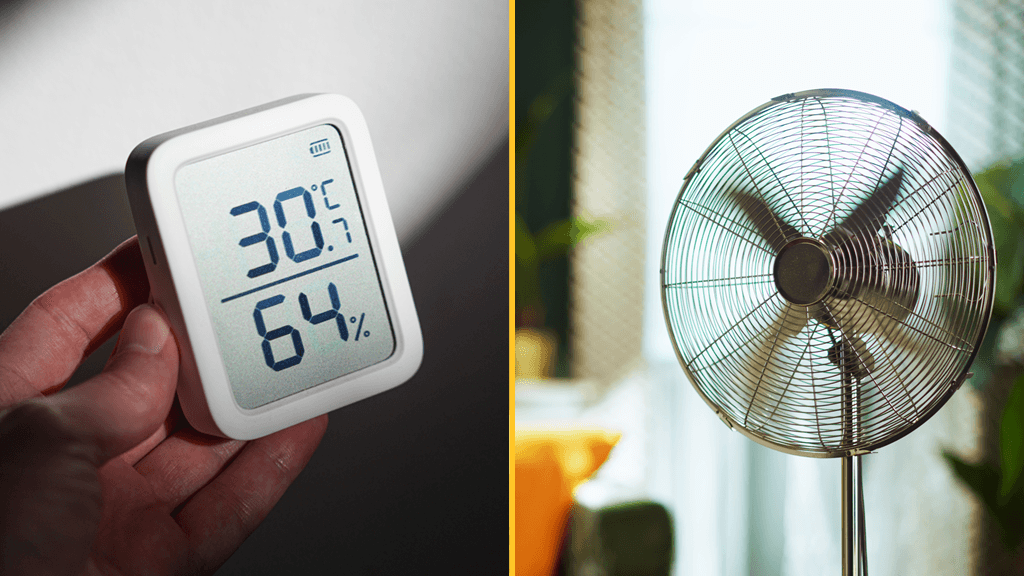
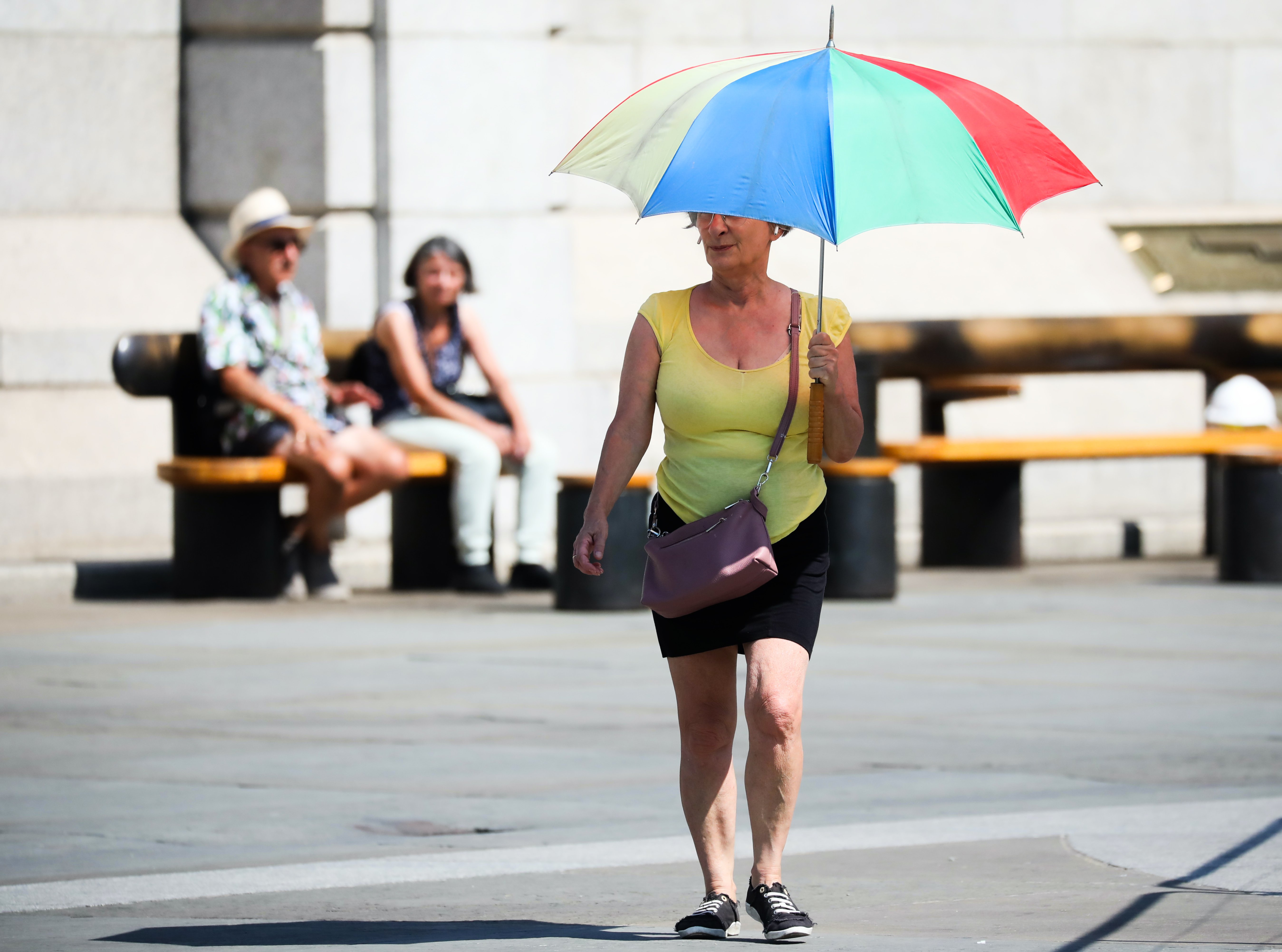
Five widespread heatwaves and 40 days of temperatures above 30C (86F), smashed the previous record of 34 such days.
Areas of high pressure dominated for much of the season, bringing dry conditions and winds from continental Europe that allowed temperatures to climb again and again.
The Met Office flagged the record as increasingly likely on 11 August, when the UK mean temperature for the summer to that point stood at 16.48C (61.66F) and only average conditions were needed for the rest of the month.
The second half of August turned cooler and wetter for many, but temperatures largely stayed around or above the seasonal norm.

At Kew Gardens in London on 13 August was the hottest day (38.1C) provisionally the UK's fifth-hottest day on record by maximum temperature.
However, this was short of the 40.3C (104.5F) measured at Coningsby, Lincolnshire in July 2022.
It is the persistence rather than the peak that has done the record-breaking, and it has been felt beyond the thermometer, with heat deaths across England and Wales counted over the season.
The heat was not unbroken either, as it also produced thunderstorm warnings covering 70 areas.
Not every nation shares the record
While England and Wales are both expected to set new records and Northern Ireland is likely to come close, Scotland will fall short.
As a result, some variation is expected in the final figures for the four UK nations.
The figures are in line with evidence that summers are getting hotter, with more intense and more frequent heatwaves, as a result of human-induced climate change.
Records are being broken more often, and by bigger margins.
Explore more on these topics: