




News

Share
Published 10:49 22 Oct 2025 BST
Updated 10:49 22 Oct 2025 BST
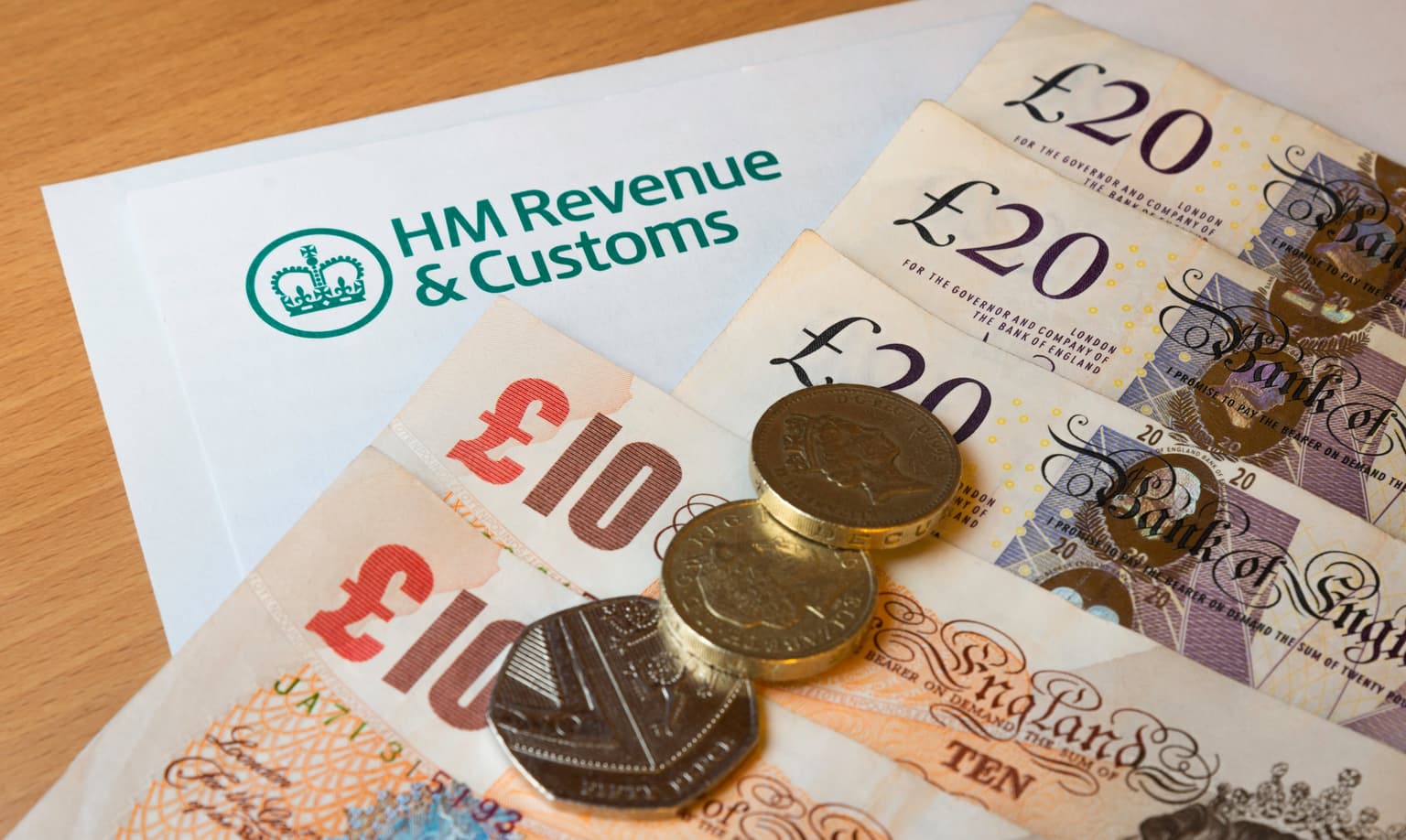
HMRC has confirmed that it is set to begin taking money directly out of the bank accounts of people who owe tax.
The rolling out of 'Direct Recovery of Debts' (DRD) powers which allow HMRC to take money directly from bank accounts.
HMRC claim that this new power will only affect "the minority" for people and businesses who "can afford to pay what they owe but are choosing not to.”
While the introduction of DRD powers came into force in 2016 it was put on hold during the Covid pandemic.
Now it is to be reintroduced in order for the government to close a £47bn tax hole in the economy.
In a BBC explainer, BBC Radio 4 Money Box Journalist, Dan Whitworth, explained that DRD can be used to directly take money out of someone's bank account but "only under very specific circumstances."
He said: "The idea is to help HMRC recover tax debts from people who owe at least £1,000, have ignored repeated attempts to make contact, and have no valid appeals outstanding.
"While it sounds alarming, the scale of use in the past shows how rarely it happens.
"When the DRD scheme was first introduced in 2016, HMRC estimated it might be used around 11,000 times a year, but in the two years it was active, up to 2018, it was used only 19 times."
Current stats show that the tax gap in the UK currently sits at an estimated 5.3 per cent, or £46.8bn in 2023/24.
One of Labour's pledges was to cut this gap by raising £7.5bn in unpaid tax with new measures.
HMRC says it would not take money out of an account where it would leave less than £5000 remaining.
The withdrawal of funds is not done in secret either, with a HMRC agent being made to visit the person at home or work.
During the meeting the debt will be checked and alternative methods to repaying the tax will be discussed.
The agent will also make sure the person isn't vulnerable.
In the case that someone objects to the tax recovery, they can appeal the action within a 30-day window.
A briefing from HMRC states: “Some people experience genuine financial difficulty paying their tax. This often happens when their life is affected by a major personal event, or their business develops a problem. HMRC routinely takes a sympathetic approach to those who need additional support.”

News
News

News
Should Burnham have a seat at the table over Celtic Alliance talks?
England might have say in Union breakup discussions Scotland, Wales and Northern Ireland recently signed the Celtic Alliance in Cardiff on Monday, sealing talks over possible UK breakaway referendums and further autonomy from Westminster. All three countries have signed an agreement of cooperation calling on their “right to self-determination”, including the Border Poll discussions over […]
News
just now
Macklemore releases emotive statement after being ‘removed’ from Ed Sheeran tour
He released a lengthy statement Macklemore has released an emotive statement after he claimed to have been “removed” from Ed Sheeran’s tour by the musician and his team. It was reported yesterday that Macklemore had been dropped from Ed Sheeran’s tour following a ‘Free Palestine’ speech he gave during a gig at the start of […]
News
37 min
News
Polling reveals how Scotland, Wales and Northern Ireland would vote in referendums
News