








News

Share
Published 10:28 18 Aug 2025 BST
Updated 18:16 18 Aug 2025 BST
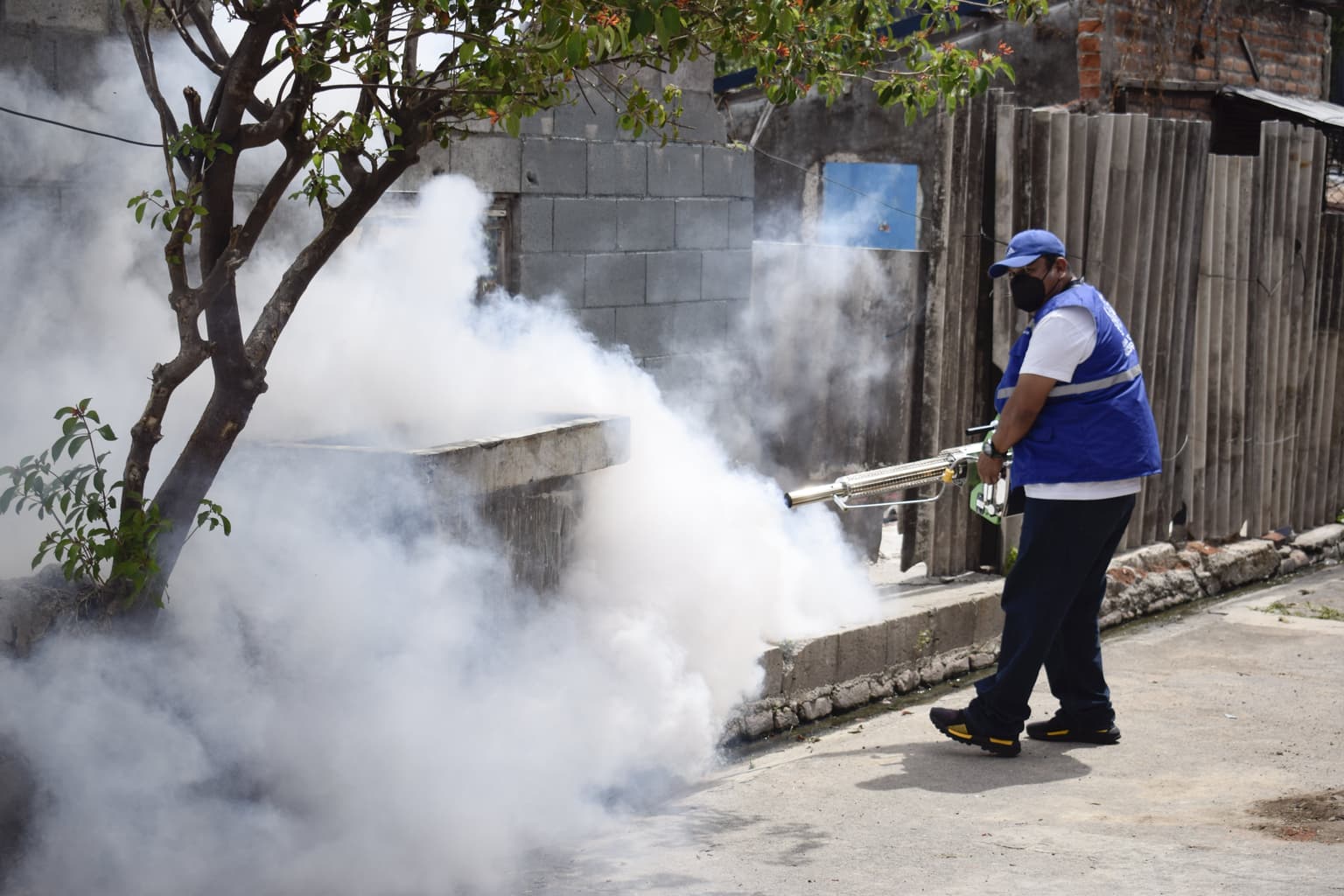
Holidaymakers have been warned of mosquito bites by health authorities following a rise in chikungunya travel-associated cases in England.
Cases have tripled in comparison to the same period last year in England.
Between January and June this year cases are up to 73 from 27 during the same period in 2024.
Most of these case were reported after people returned from Sri Lanka, India and Mauritius, all places the UK Health Security Agency (UKHSA) has linked with ongoing local outbreaks in the Indian Ocean.
The majority of cases were reported in London, although the UKHSA say that “there is currently no risk of onward transmission of chikungunya in the UK.”
It said: “There are only 2 species of mosquito that transmit the disease and they are not established in the UK at present.
“This is because our climate is generally not suitable for their survival and breeding.”
Chikungunya is mosquito-borne virus which is found in tropical and sub-topical regions.
It's name originates from a word used by the Makonde people in Tanzania, where the disease was first discovered in the 1950s, meaning “that which bends up”, reference to the contorted posture of infected people.
It is spread via infected mosquitos but cannot be passed from human to human.
The majority of cases have been found in the Americas, Africa and Asia.
Brazil saw more than 185,000 cases in 2025.
Worldwide, since the beginning of the year, there have been approximately 240,000 cases of the disease and 90 related deaths across 16 countries and territories.
Two French islands off the coast of Africa, La Réunion and Mayotte are currently facing ongoing outbreaks.
The transmission of the disease, as well as dengue fever, in mainland Europe has been linked by the European Centre for Disease Prevention and Control (ECDC) to travellers who have caught the virus outside the region.
“The risk of locally-acquired chikungunya and dengue virus transmissions is therefore increasing,” the ECDC said.
In the EU, there have been 31 locally acquired cases this year, comprising 30 from France and one from Italy.
Symptoms of the virus include joint pain, sudden fever, joint swelling, muscle pain, headaches, nausea, fatigue and rashes.
The pain can be debilitating and has been known to last up to years in certain cases.
However, sometimes symptoms can be mild and go unnoticed.
Most people will make a full recovery from disease.
Like with most diseases, those with underlying medical conditions or the young and elderly are most at risk of severe effects.
Once recovered, people generally develop an immunity to the disease.
There already exists vaccines to combat Chikungunya that have been approved by the UK government.
It is only obtainable via prescription and given to those planning on travelling to places where the virus is present.
There are two vaccines available, one for individuals aged 18 to 59, and another for those over 12.
Hilary Kirkbride, head of travel health at UKHSA, said: “Simple steps, such as using insect repellent, covering exposed skin and sleeping under insecticide-treated bed nets, can effectively reduce the risk.
“Before you travel, check the TravelHealthPro website for the latest health advice on your destination. A chikungunya vaccine may also considered for those travelling to higher risk regions.”
Speaking to The Independent, Dr Richard Dawood explained how travellers can prevent getting sick from the virus.
He said: “This is a new situation for us. Until a very short time ago, we had no vaccine, and the only approach to prevention was to make careful use of insect repellents and insect precautions.
“So now we've got this extra tool in the armoury, and because the vaccine gives long-lasting protection, it's something that could be considered if you are planning to travel over a period of time.
“It's a fairly expensive vaccine, but if you're going to be travelling over a period of years to Southern Europe and beyond, it may be something that could be considered.”
He added: “There's been only a very small number of cases so far. So statistically, you're not very likely to, but over time, as somebody who loves to travel and loves going to hot countries, then I would probably want to be protected against it in the long term.”
Explore more on these topics:

News
News

News

News
Macklemore dropped from Ed Sheeran tour after onstage ‘Free Palestine’ speech
A statement was released by Sheeran’s tour promoter Macklemore has been dropped from Ed Sheeran’s tour following a ‘Free Palestine’ speech he gave during a gig at the start of the month. As reported by Variety, the American rapper, 43, will not appear for the remainder of Sheeran’s Loop Tour after he made headlines for […]
News
15h
If the Union came to an end, would England be the winners, losers, or both?
What would be the outcomes from a Union breakup Lots of questions are rising over the ongoing talks between Scotland, Northern Ireland and Wales in a potential break of the United Kingdom as we know it. This comes as leaders from all three countries have signed an agreement of cooperation in Cardiff, on Monday, calling […]
News
16h
Leaders of devolved nations say ‘Westminster’s time is coming to an end’ as they sign agreement
News