








News

Share
Published 16:12 11 Nov 2025 GMT
Updated 16:14 11 Nov 2025 GMT
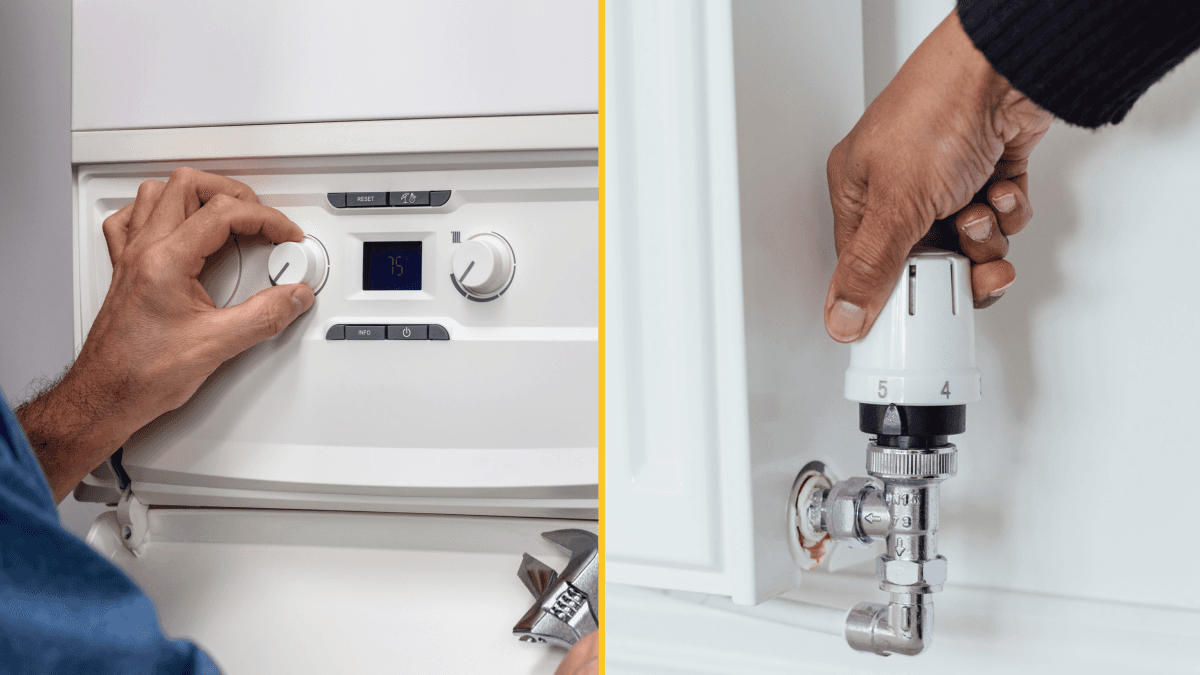
When and how warm to have the heating on is a huge debate in households across the country, but experts have had their say to settle the debate.
With bills remaining high due to the cost of living crisis, many of you will be trying to strike a balance between a warm home and not being hit by a huge bill.
The experts at BoilerCentral has said that whilst there isn't a one-size-fits-all solution for how long you should keep the heating on for, they recommend 8-10 hours a day as a "general guideline."
Many important factors affect this, including how well insulated the home is and how big it is. A small well-insulated house may only need heating for 6-8 hours per day, while a larger home may require 10-12 hours.
BoilerCentral suggested that the best times to have the heating on are early on the morning and after sunset, when the temperature outside drops.
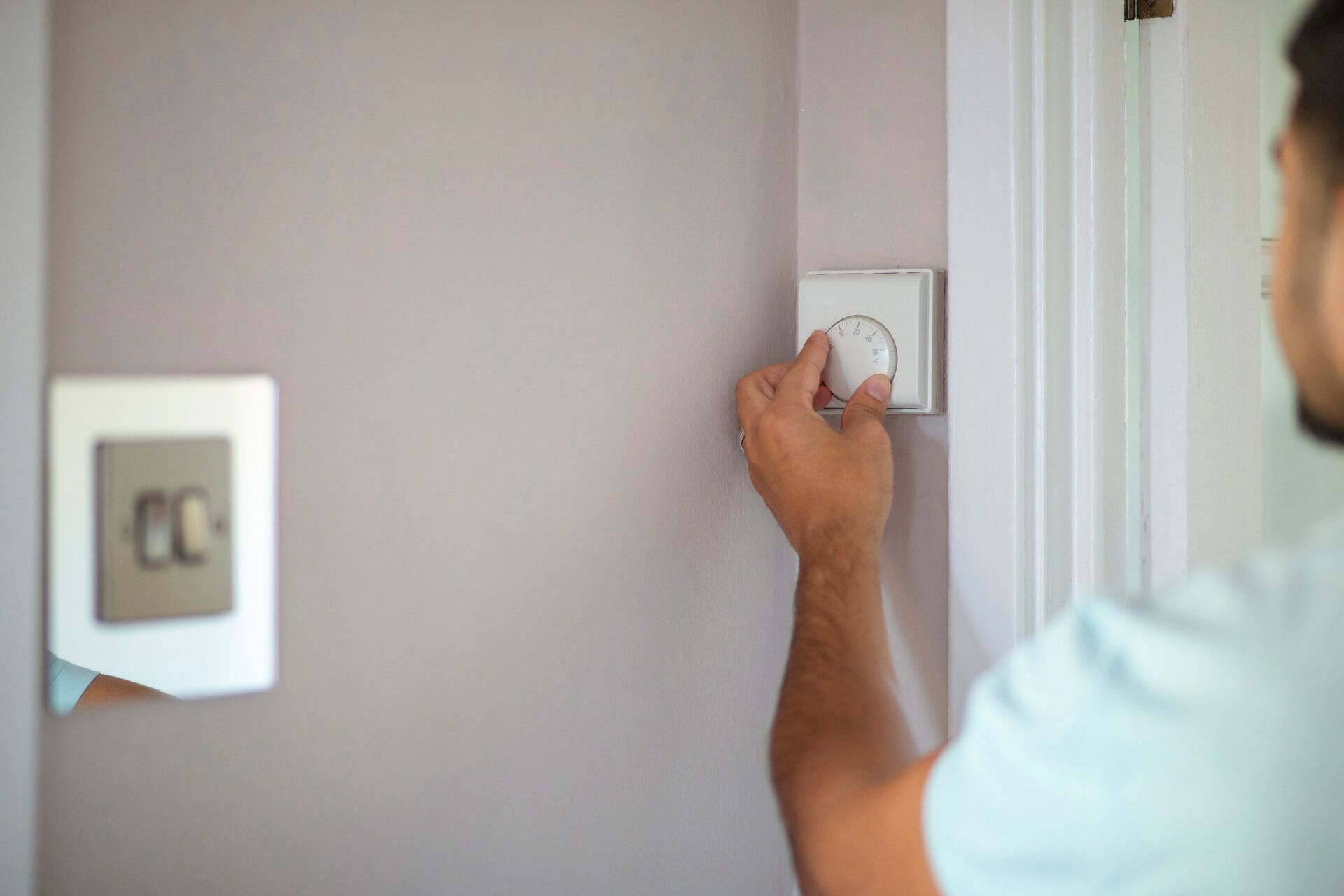
Some of the tips and advice they have as to how you can maximise the efficiency of the central heating in your home included using a programmable thermostat, keeping windows and doors close, and using draft stoppers.
They did also offer a much shorter heating schedule if you don't fancy having your central heating on for more than third of the day.
They suggested that someone working a 9-til-5 could put the heating on from 5:45-7:00 in the morning and 16:45-18:00 in the evening. This would then total to just two-and-a-half hours a day.
BoilerCentral also debunked the myth that keeping the heating on all day but on a low setting is cheaper.
They explained: "The question of whether to it is cheaper to leave your heating on low all day is a common one. But according to the Energy Saving Trust, it’s not necessarily cheaper as it leads to constant energy use.
"Your home generally loses a certain amount of heat throughout the day, and the amount depends on the insulation quality."
This article contains affiliate links. We may earn a commission on any sales generated from it.
This handy dehumidifier from Amazon is helping people dry their clothes during winter – and remove the moisture from the air.
The energy saving dehumidifier is also more environmentally friendly, cheaper, and saves on electricity bills when compared to traditional large dehumidifiers.
It has a 1.3L water tank, and can achieve a dehumidification capacity of up to 400-500ml per day.
This helps reduce problems such as mould, fog, and odour and create a healthier living space, all while drying your clothes.
Nottingham city centre closed after police officer shooting
BREAKING Police have confirmed that an officer has been shot in Nottingham city centre. According to Nottinghamshire Police, a man and woman have fled the scene while a firearm has been recovered. The two suspects have not been found yet, police said. They were approached by the officer in Angel Row shortly before the incident, […]
News
9h
Wainwright fire kills several at Canada military base
A nearby hospital declared a mass-casualty emergency A fire at a Canadian military base has caused the deaths of several people and left dozens of others injured. The fire broke out at Canadian Forces Base Wainwright on Saturday evening, as per the BBC. According to Canadian broadcaster Global News, which cited unnamed military sources, at […]
News
10h

News
Homes evacuated after ‘pipe bomb’ explosion in Belfast
News