







News

Share
Published 13:53 5 Jun 2026 BST
Updated 13:53 5 Jun 2026 BST
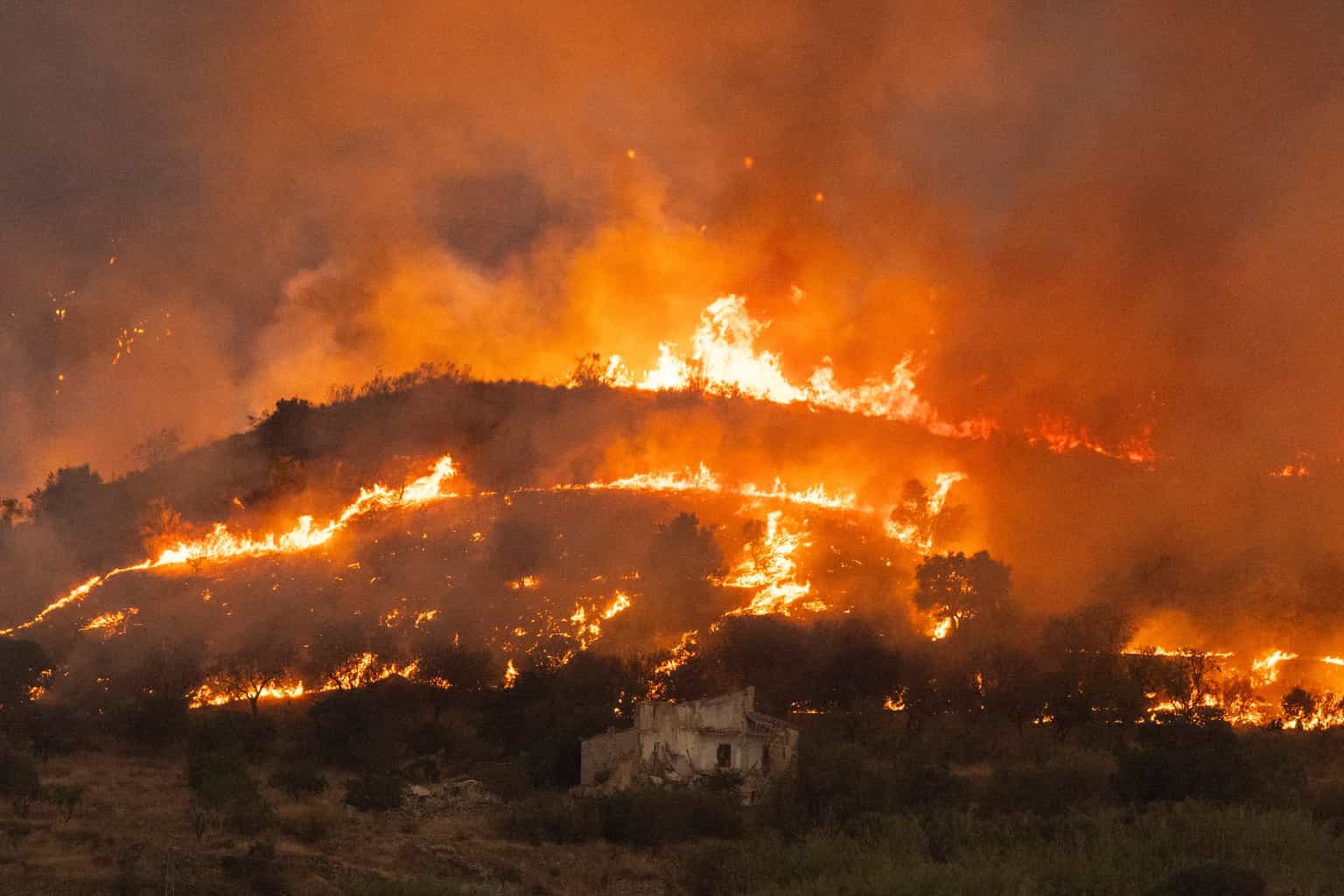
Experts have warned the world about the incoming “Godzilla” or “Super Duper” El Niño, which they say is expected to be one of the worst in human history.
The new El Niño will set weather around the world off kilter into 2027, scientists have warned, as heatwave conditions could return with a new intensity next year.
According to the experts, the “Godzilla” El Niño could also have a significant knock-on effect on the UK.
In Britain, the record-breaking May heatwave of last week produced sky-high temperatures of 34C in the hottest parts of the country.
Forecasters think that it was a “heat dome” that produced the extraordinary highs, as it trapped warm air coming from northern Africa in a high-pressure system over western Europe.
And now, another round of warm weather powered by the El Nino climate phenomenon could result in a Godzilla-sized ecological catastrophe, scientists warn.
An El Nino event is one in which temperatures are boosted by unnaturally warm seas, with the chances of it happening have now hit 80 percent.
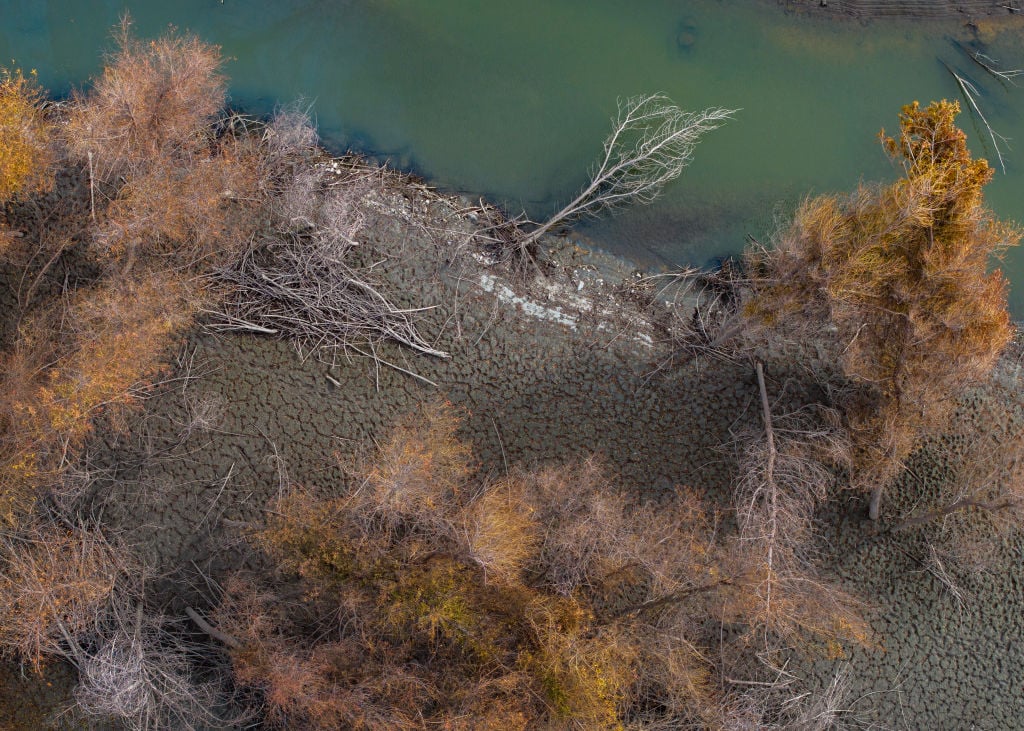
According to WMO, there is an 80 per cent chance that El Niño conditions will emerge between June and August and a 90 per cent probability of this happening thereafter.
“This update matters because El Niño is a major driver of global weather and climate patterns,” said WMO Secretary-General Celeste Saulo.
“The footprint of an El Niño travels far beyond its origins in the Pacific Ocean, impacting agriculture, energy supplies, trade, water resources, supply chains, and livelihoods across entire regions.”
At 6°C above average, tropical Pacific Ocean temperature readings are fuelling concerns that this El Niño could feed on this extra heat and devastate vulnerable and unprepared communities worldwide.
UN chief Antonio Guterres, reacting to the WMO alert, stressed that “the world must treat it as the urgent climate warning it is”.
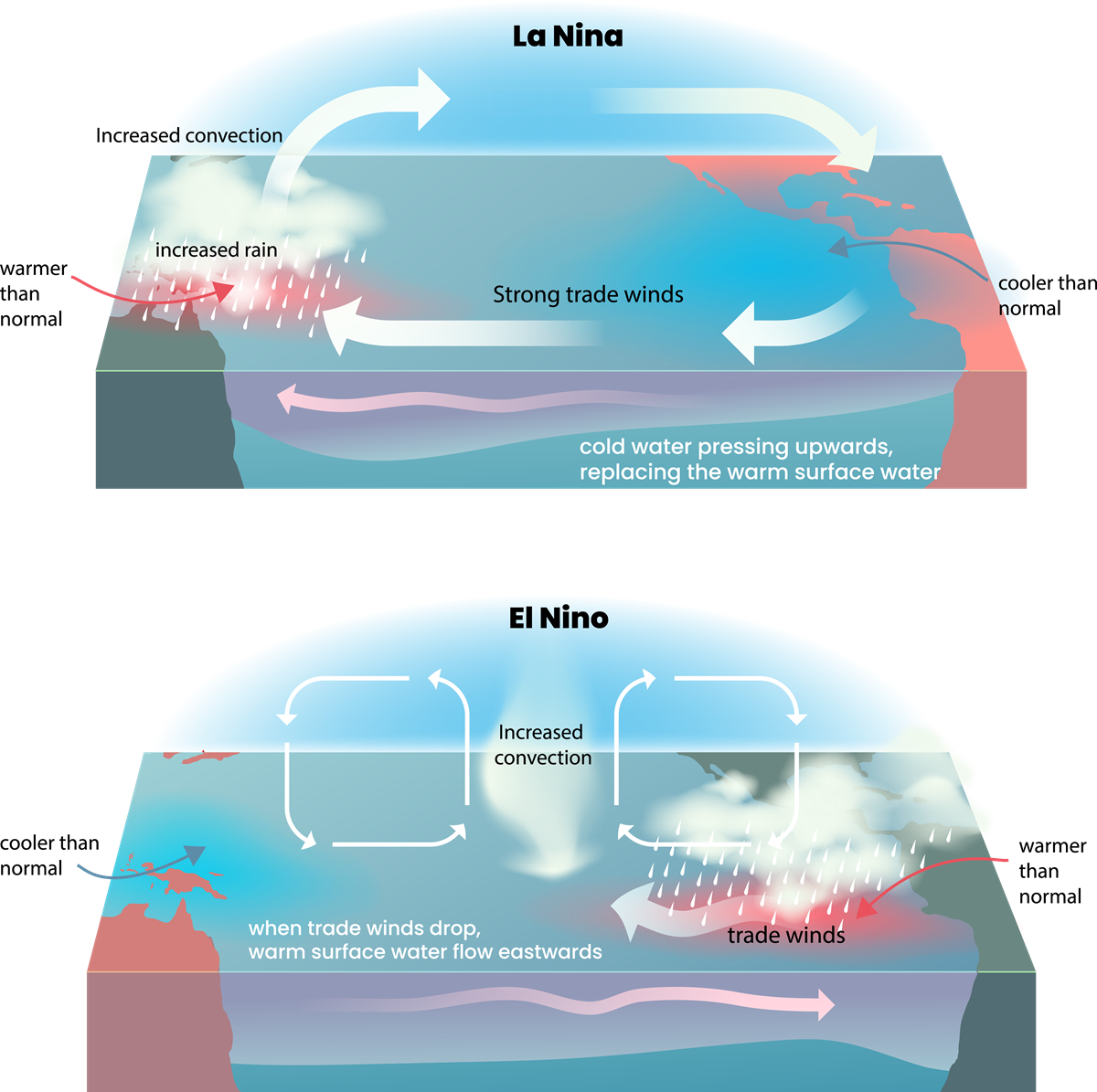
In Spanish, El Niño translates to “little boy”, and it refers to a climate pattern, one of two alongside La Niña, in the Pacific Ocean that break trade wind patterns responsible for cycling water between North America and Asia.
These two conditions make up the El Niño-Southern Oscillation (ENSO) cycle and both have global impacts on the world's weather, its ecosystems, and wildfires.
Experts say that a so-called “super El Niño” could supercharge extreme weather events and push global temperatures to record heights next year if it develops.
It could also lead to other severe crises, such as food shortages and major humanitarian problems all around the globe.
While these waves of higher, warmer water move eastwards across the Pacific, ahead of the El Niño emerging, Nasa has captured images of the sea level data.
It might be upon us later in the year and might potentially cause heavy rainfalls in some regions but deficits in others.
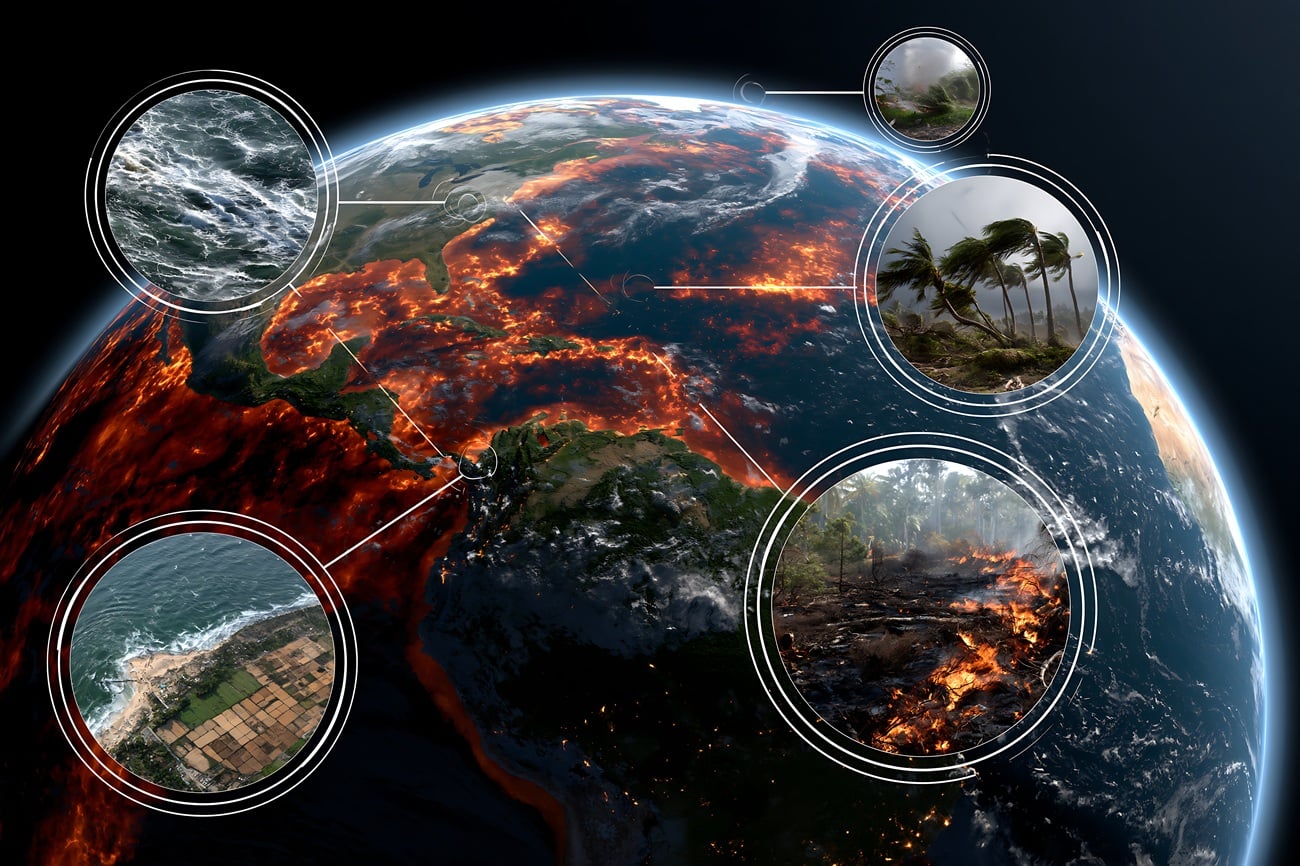
El Niño conditions usually arrive in December once or twice a decade, but environmental scientists have recently detected rising water temperatures conditions with its onset.
Meanwhile, the “Godzilla” moniker for the coming El Niño is descriptive of how severe the coming disruption is expected to be, with some onlookers warning it could be “stupendously intense” even more so than defining disruption experienced in 1877, and in 2016-17.
According to Richard Allan, Professor of Climate Science at the University of Reading, the coming El Niño is “stirring the oceans” and is expected to change conditions “across the globe” when it peaks this year, while the event will likely last until February 2027.
“The coming El Niño is already stirring as the oceans rearrange their vast heat stores and this will nudge atmospheric wind patterns out of kilter, causing unusually wet, dry and hot conditions across the globe. Some dry regions tend to receive more rainfall than usual, such as south west Europe, southern United States and East Africa”, Allan said.

News

News
News
News
Zelenskyy denies claim he took cocaine with Macron in interview with far-right MAGA influencer
‘Of course never, of course not’ Rumours that he took cocaine with French president Emmanuel Macron were denied by Ukraine’s president Volodymyr Zelenskyy, during a bizarre interview with an influencer from the far-right. Zelenskyy denied the claims in the interview with Laura Loomer, who is a close ally of US President Donald Trump and also […]
News
1 day ago
Huge explosion ‘shakes Essex’ as more than 100 firefighters tackle blaze
The explosion was caught on camera A huge explosion has ‘shaken a UK county’ as more than 100 firefighters are on scene tackling a large blaze. Emergency services were called to a large fire in Essex today which broke out at an industrial site. The incident, which happened on Southend Road, between East Hanningfield and […]
News
1 day ago
News
Dubai offering £600 rewards to residents who lure friends there as tourists
News