





News

Share
Published 11:37 28 Oct 2026 GMT
Updated 11:37 28 Oct 2026 GMT

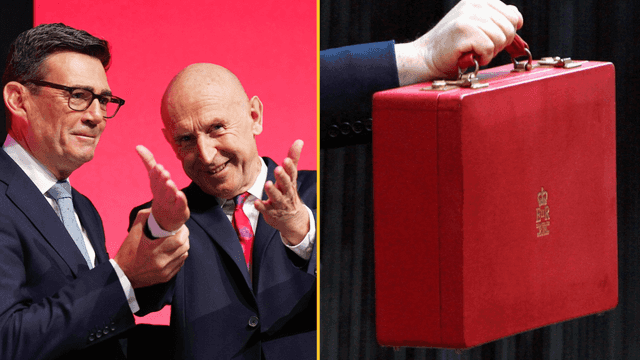
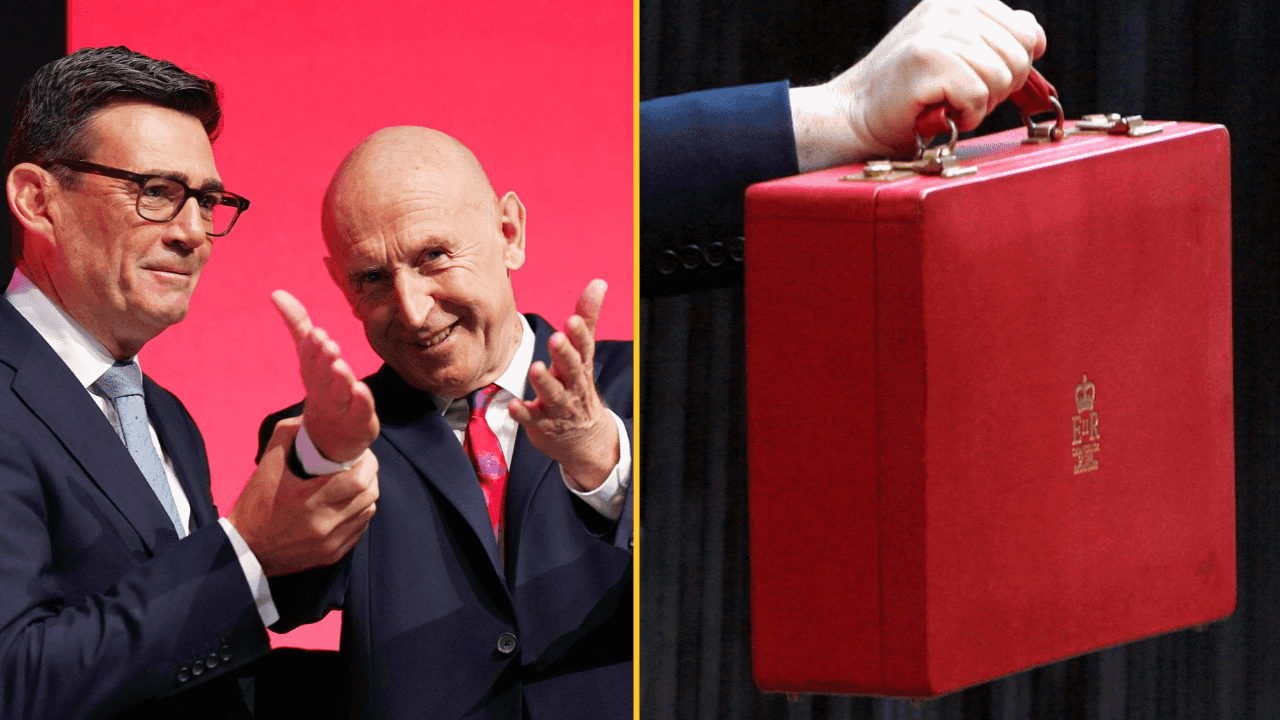
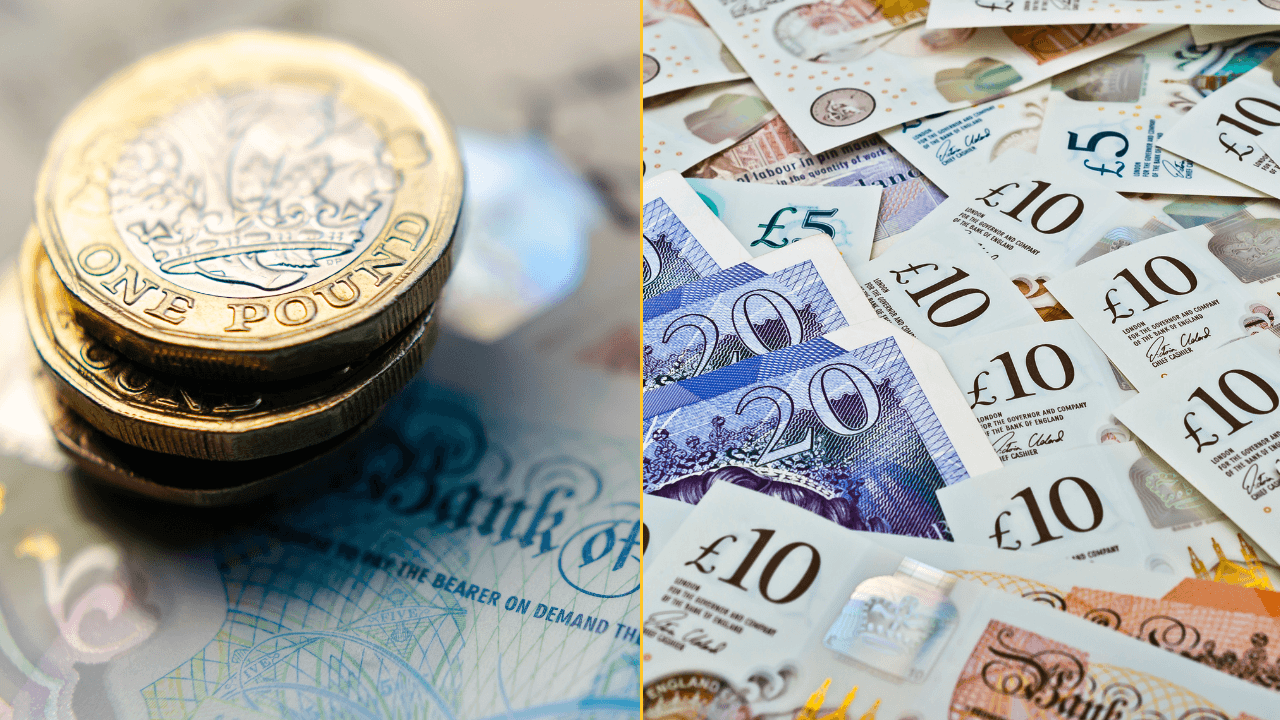
Millions of UK households will save up to £45 a year on their bills, as Chancellor John Healey will abolish gas standing charges from 2027 in his first Budget.
After the change takes effect, around 23 million homes will stop paying the fixed daily fee on their gas bills.
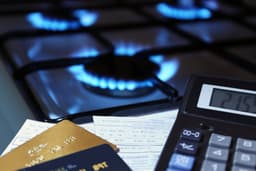
At the time of writing, regardless of how much gas is used, the charge currently adds about £108 a year to a typical household's bill.
The Treasury confirmed the move to the Evening Standard, ahead of Mr Healey's first Budget as chancellor on Wednesday.
Fixed network costs will instead move onto the unit rate customers pay for the gas they use.
The shift, as the Treasury estimates, could save three in five households an average of £45 a year.
Mr Healey has asked Ofgem to remove the charges "in 2027 or as soon as possible after."
Households are also looking for other ways to cut bills this winter.
That includes the long-running debate over whether it's cheaper to leave the heater on low all day.
In a reminder that gas bills aren't the only cost rising this year, one council has sparked anger with its own plan to hike council tax by 94%.
According to Prime Minister Andy Burnham, scrapping the charge was "about basic fairness and giving people more control over their bills."
Burnham added that he was "determined to reform our broken energy market, so it better serves the public interest."
Calling standing charges "unfair and outdated", Mr Healy struck a similar tone.
Healy said his Budget would "draw a line in the sand" on an energy policy that had "failed British billpayers for years."
Not everyone stands to benefit, as some have warned that low-income households could end up worse off.
Large energy use could push their costs onto the unit rate instead of making them disappear.
The charge itself doesn't pay for gas or electricity.
It funds network upkeep, maintaining pipes and wires, and paying for upgrades.
Mr Healey has asked Ofgem to remove the charge once his Budget plans take effect.
So from 2027, or as soon as possible after.
Around £45 a year on average for three in five households.
That is once fixed network costs move onto the unit rate instead of a flat daily charge.
Explore more on these topics:

News
News
News
News
Cause of deadly Spain train crash emerges as investigators point to ‘human error’
The crash may have involved manual signalling mistake Investigators are examining whether a breakdown in Spain’s rail signalling system contributed to a collision between two high-speed trains that has left at least 39 people dead. The crash occurred at approximately 9am on Wednesday in Toledo province, between the towns of Los Yébenes and Urda. Early […]
News
1h
Autumn Budget Live: Every major budget announcement as it happens
The first major milestone for Burnham’s government Welcome to our coverage of this year’s Autumn Budget and Andy Burnham’s first as UK prime minister. We’ll be bringing you all the latest developments as they come as well as all the biggest talking points. If this government manages to not leak the budget early, they’ll already […]
News
2h
News
Major UK store close to collapse as directors set to quit
News