






News

Share
Published 02:41 24 Aug 2026 BST
Updated 06:33 24 Aug 2026 BST

There has been a 14% increase of drownings in France as the number has reached 301 since 19 June, compared to the same period last year.
The country's sports and youth minister, Marina Ferrari, told France Inter radio the figure was a "tragic toll" and linked the rise to the prolonged heatwaves that have baked southern Europe, as reported by the BBC.
According to Ferrari, people had been taking risks to cool down, and a number of the deaths were recorded in "open water, in canals for example".
The minister added that many drownings, particularly among the elderly, had happened in private pools.
Ferrari further warned that sudden immersion in cold water on a hot day can cause shock, with some swimmers exceeding their physical capabilities.
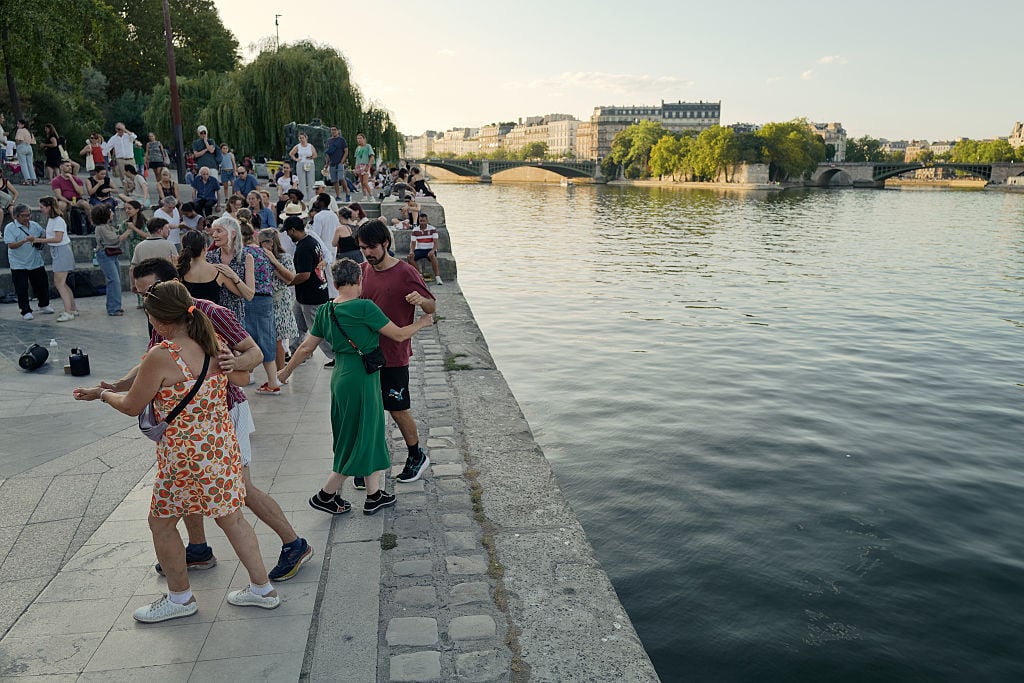
As per the French authorities, many deadly accidents have occurred in areas that are not authorised or supervised for swimming.
The same heat has driven wildfires across France, Spain and Italy, with British travellers already warned about holiday spots affected by the wildfires in Spain and France.
The Golfech nuclear plant was shut down temporarily in June, after water in the River Garonne topped the 28C limit set for cooling its reactors, and the Eiffel Tower closed early.
Between late may and 22 July, France has logged 7,300 excess deaths, provisional public health figures revealed.
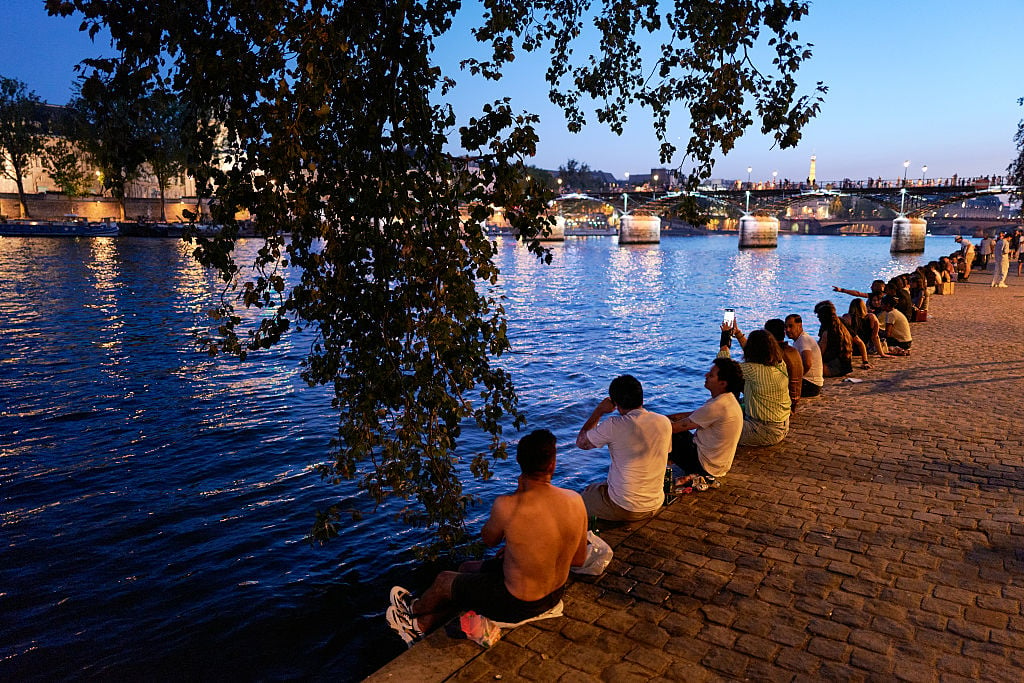
According to Ferrari, the government is working with regional authorities "to improve swimming areas and make things safer".
The Copernicus climate service revealed that Europe is warming twice as fast as the global average.
Meanwhile, the UK has had amber heat-health alerts of its own this summer, which means that the pressure on unsupervised rivers, canals and beaches is unlikely to ease.

News
News
News

News
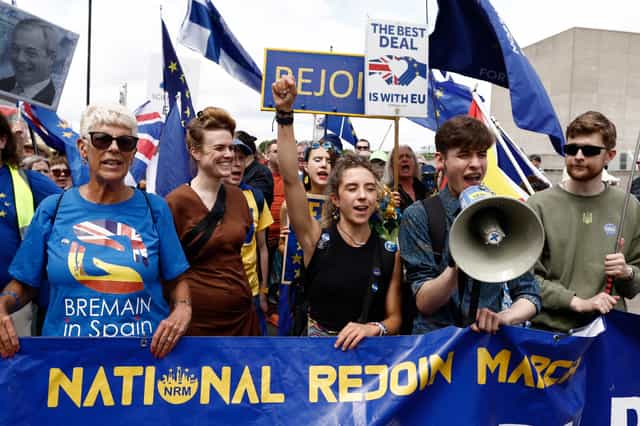
Rejoining EU could boost UK economy by £150bn – Goldman Sachs
Analysts from the bank reckon a ‘Breturn’ would boost the UK economy by 2-5% by the start of the next decade. Goldman Sachs has said rejoining the European Union could boost the UK economy by as much as £150 billion. In a note to clients, the Wall Street bank voiced its support for Andy Burnham’s […]
News
3h
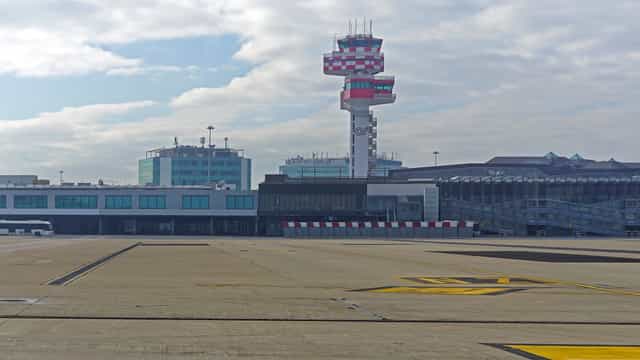
Travel chaos across Italian airports after air traffic control failure
Air traffic management capacity has been slashed in half Travel chaos has struck Italy’s major airports after an air traffic control failure left capacity halved on Friday. Hundreds of flights across Italy have been delayed and over 100 cancelled due to “anomalies” with air traffic control (ATC) services. The Italian air navigation service provider, ENAV, […]
News
8h
News
Abu Dhabi Royal was found passed out on street in London after ‘cocaine binge’
News