







Entertainment

Share
Published 17:34 8 Dec 2016 GMT

Explore more on these topics:

Entertainment
Entertainment
Entertainment

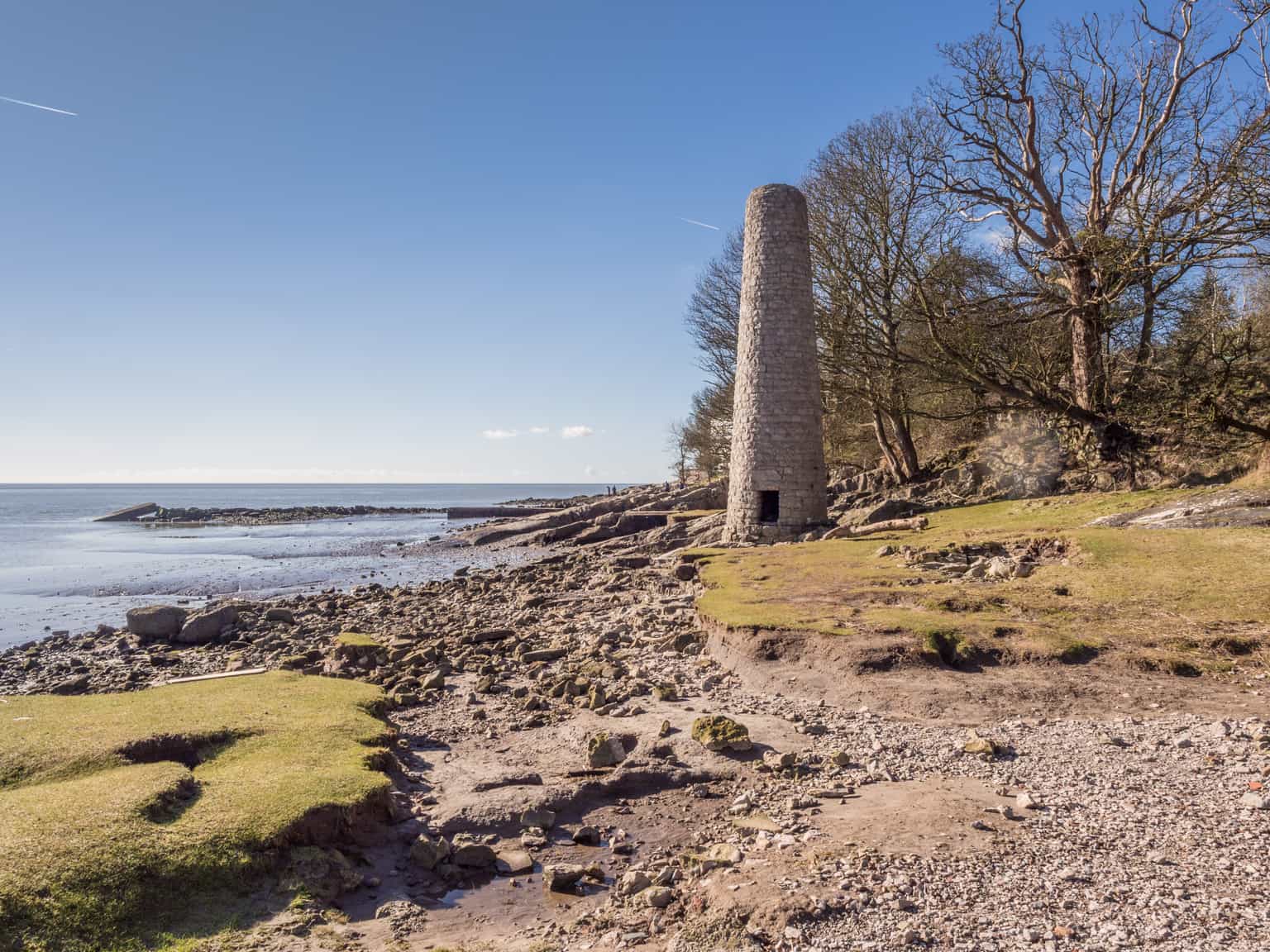
UK village hit by earthquake as houses shaken and ‘loud boom’ heard
Lancashire tremor felt miles away from its epicentre Residents across Lancashire were left startled after a 2.7-magnitude earthquake hit the area, with people describing loud bangs and houses suddenly shaking. The tremor was recorded near Silverdale at a depth of around 3km, according to the British Geological Survey (BGS). Reports quickly came in from people […]
Entertainment
13h
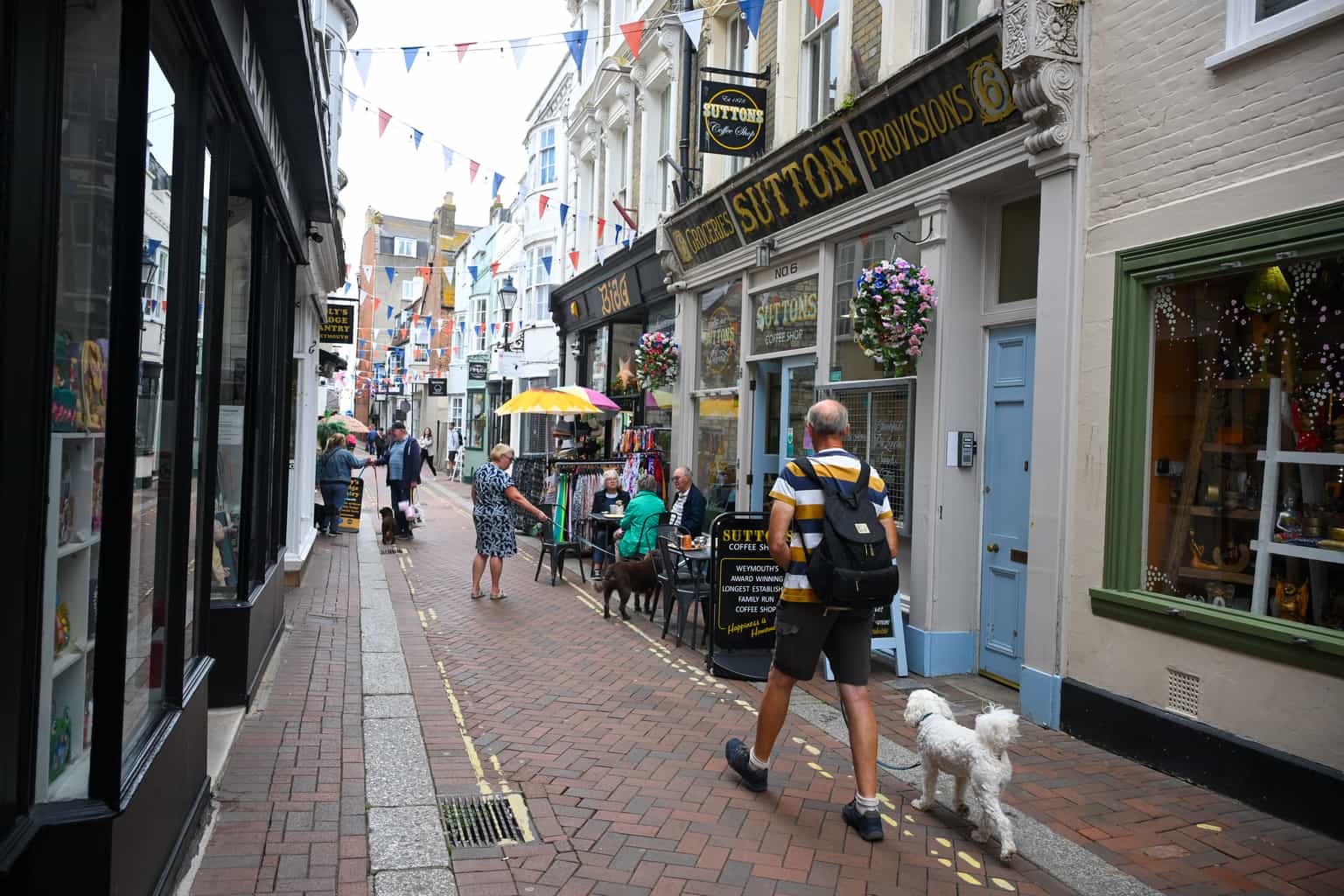
English mayors are considering to introduce a tourism tax, following other major destinations
Could this help, or damage the hospitality sector? Whether you call in a “visitor levy” or a “tourism tax”, an extra charge for overnight stays is not uncommon anymore. Many major tourism destinations have already implemented similar rules in this modern day of travelling. New York, Prague, Milan, and even Edinburgh, have all already imposed […]
Entertainment
15h
Entertainment

Entertainment

Entertainment
UK flights delayed after ‘technical issue’ with air traffic control
Entertainment