








News

Share
Published 16:38 26 Aug 2025 BST
Updated 16:38 26 Aug 2025 BST
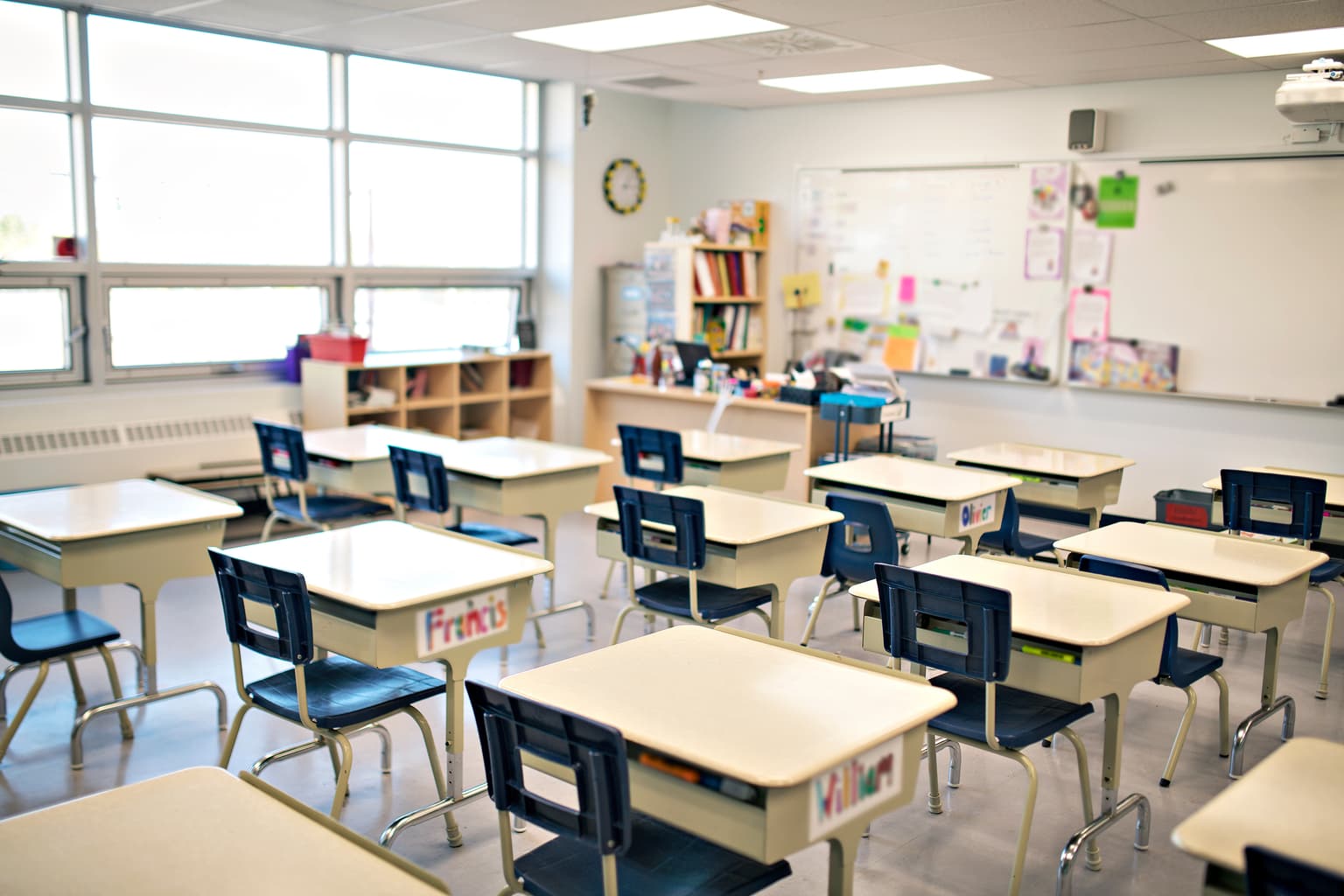
Suspensions for racism rose from 7,403 in 2021 to 15,191 last year.
Government officials, who claim these figures are "unacceptable", are working to tackle the problem with teachers.
These figures show that racist behaviour in schools has soared to record levels. Children as young as four were included in 15,000 reports, which led to pupils being sent home in disgrace.
Notably, expulsions due to racist behaviour rocketed in schools post-Covid, as suspensions for racism went from 7,403 in the school year ending in 2021, to 15,191 in the academic year which concluded last summer.
Most cases involve unacceptable behaviour such as using racist language, in others, it covers physical racist attacks and race-hate vandalism like obscene graffiti.
Teachers have stressed that reception age children wouldn't understand that their language was racist, however, older children are getting in trouble for racist posts on social media.
Last year, 15,191 pupils got suspended for racist behaviour, which is approximately 80 every single school day.
A total of 2,485 of the suspensions in the last year involved children who were still at primary school. Five of those suspensions were logged against Reception Class pupils, who start the year aged four.
One teacher stressed that children of that age do not 'fully comprehend' racist slurs.
"It is a reflection of changes in society, not in schools," they added, per the Mirror.
Campaigners claim that standards of behaviour took a hit during the Covid pandemic as they were unable to attend school. They stress that a lack of social contact has had a 'long-lasting impact' on their ability to interact.
The group that gets in most trouble for racism is Year 8, where pupils are in their second year of secondary school and are typically aged 12 and 13.
In that age group, 70 cases were reported where a child was permanently expelled from school because of their racist behaviour, up from 45 three years before.
Christopher McGovern, Chairman of the Campaign for Real Education, said: "In secondary school, there should be zero tolerance of racist behaviour, including anti-Semitism, provided the evidence of it is clear.
"A second offence should normally lead to permanent exclusion. Pupils will, then, soon get the message about what is not acceptable. Our anti-racism teaching strategies are clearly failing. Teachers must not, however, act as ‘thought police’ and pursue witch hunts against pupils who say something in error or without thinking."
According to Chris Zarraga, director of the campaign group Schools North East, deprivation also hits behaviour: "Due to the pandemic, children are struggling in terms of regulating emotions, and the ability to express themselves," he added. "We try to help schools address issues before children get into school.
"The waiting lists for speech and language therapists are obscene. We have certainly seen a rise in exclusions and suspensions in the North East. There was an increase after 2019, and that was seen as a massive impact of Covid. Support services for young mothers were hit, and access to health visitors has been greatly reduced and dramatically dropped in England. Access to support has massively dropped."
From the academic year 2020/21, up to three reasons could be given for each fixed-term suspension and exclusion.
Since that system came into place, the number of racist incidents in schools has only increased.
In Carlisle, Cumbria, parents protested outside of a school after a video circulated on social media in March 2024.
The footage showed a pupil of colour in the town being taunted, pushed, and punched by a caucasian boy who made him kiss his filthy shoes.
The attacker, who was 15 at the time, was convicted of racially aggravated common assault last year, with the court hearing that he told the victim: "Kiss my shoe or you are getting whacked."
In 2023, another violent attack involved a 15-year-old black girl outside a school in Ashford, Surrey. A video of the attack went viral and showed the victim being punched and kicked. Two 16-year-old girls were encouraged by nearby adults to commit the violence.
The two teenage girls later admitted their part in the assault, while 41-year-old Winne Connors was given a 20-month prison sentence for egging the girls on.
Experts believe that children isolated during the pandemic may have developed racist views.
A spokesperson for the Department for Education, which released data under FOI, said: "These figures are unacceptable. We are clear that racism and discrimination have absolutely no place in our schools, and we will always support our hard-working teachers to provide safe and calm classrooms.
"The Education Secretary is committed to a comprehensive programme of behaviour support for schools, starting with new attendance and behaviour hubs. They will directly target the schools with the highest need, as well as provide wider support for schools in all corners of the country.
"More broadly, our Plan for Change places a relentless focus on giving every child the best start to tackle root causes of behaviour, including establishing free breakfast clubs in every primary school and providing access to mental health support in every school," per the Mirror..

News
News

News
News
Star Trek and Office Space actor Richard Riehle dies aged 78
RIP Richard Riehle, whose screen credits included Star Trek, Bridesmaids and Office Space, has died aged 78. The actor died from natural causes in Los Angeles on Thursday, 15 October, according to TMZ. He began his acting career in the 1970s, going on to appear in more than 400 film and television productions over the […]
News
13h
Kim Jong-un pictured alive after extraordinary claims North Korean leader had died
Inspecting shoes at a factory, no less Following rumours that the North Korean leader Kim Jong-un had died, the country’s state media responded by releasing images to prove that he’s alive and kicking. On Monday, rumours began to circulate that the dictator died due to a brain hemorrhage. In the new images which were published […]
News
13h
King Charles has stripped 15 people of their honours – Here’s the full list
News