

News

Share
Published 17:54 14 Aug 2026 BST
Updated 15:43 14 Aug 2026 BST
Martin Lines has spent this summer watching the weather do the arithmetic for him. The 54-year-old runs a 165-hectare arable farm in Cambridgeshire with his son, and after a fifth consecutive year of extreme conditions battering his cash flow, he is blunt about where the industry has ended up. “We’ve had five years on the bounce now where weather has had a big impact on our cash flow and crops,” he said. “Climate change is coming quicker and harder than anyone else ever told us.” He is not alone: British farmers say they are now at “breaking point”.
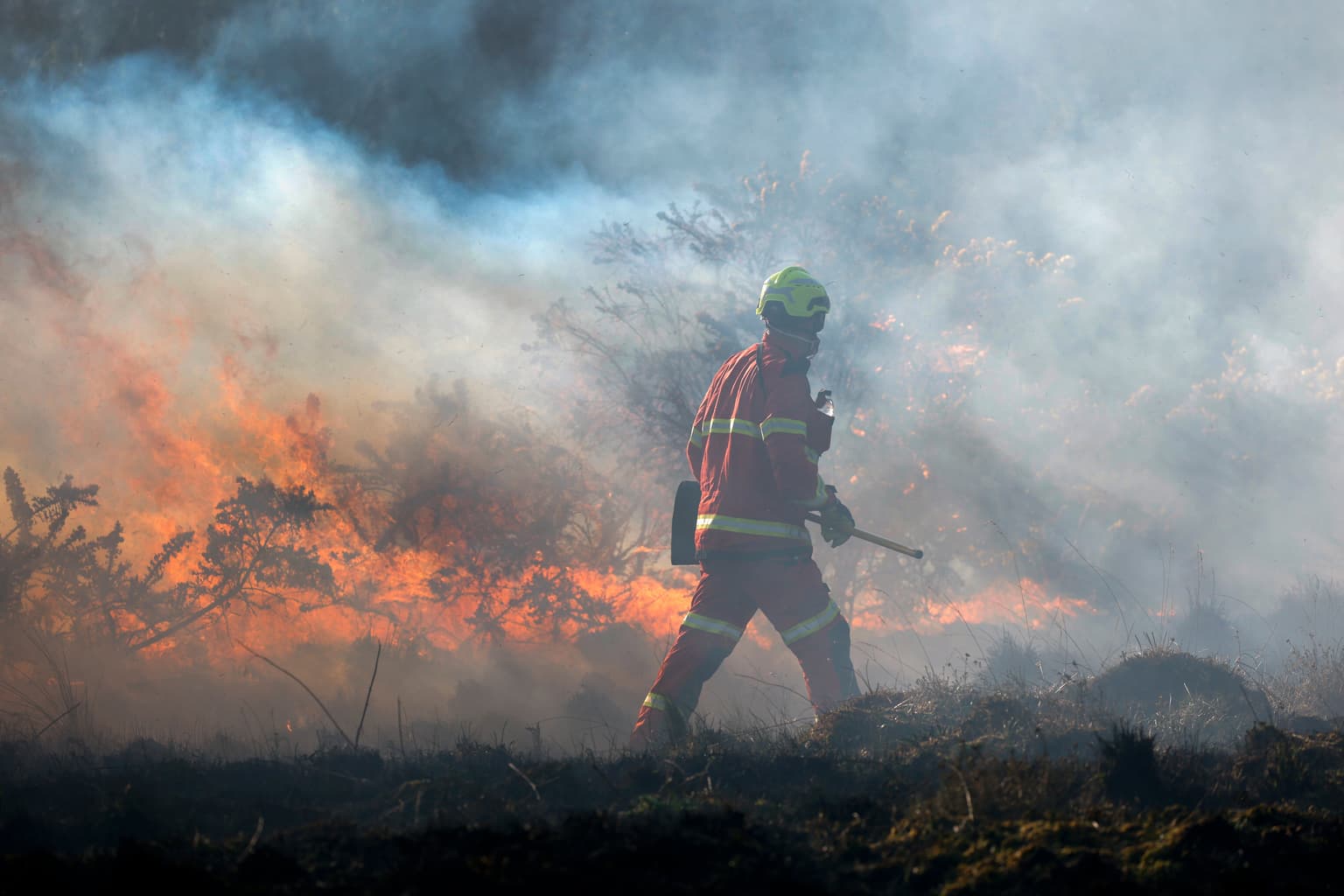
It matters well beyond the farm gate. A summer of extreme heat and drought is hitting crops and livestock at the same time as wildfires threaten land, water runs short and fuel and fertiliser prices climb — a combination that has pushed many farm businesses into financial difficulty and prompted calls for the government to release emergency cash support.
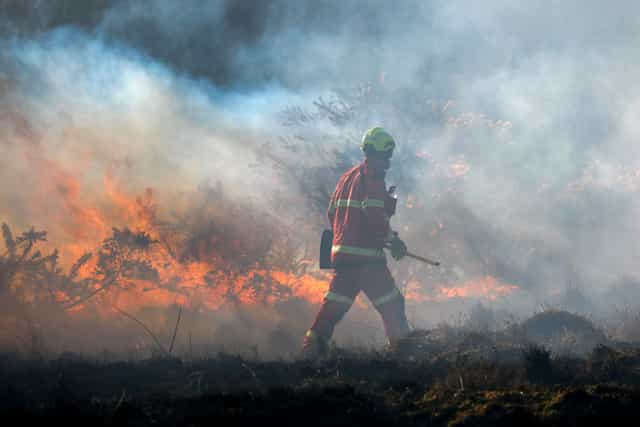
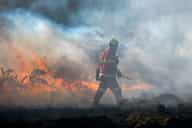
The scale of the fire risk alone has been extraordinary. England and Wales have already seen as many wildfires this year as in the whole of 2025, and Prime Minister Andy Burnham told BBC Radio 5 Live on Friday that 37 fires were burning across the two nations, four of them major incidents. Joe has covered the wildfire declared a major incident in Suffolk, and the hosepipe bans now in force across much of the UK tell the same story from the other direction: not enough water, and too much heat.
For farms, those two pressures compound. Poor harvests reduce the income available to absorb rising input costs, while the risk of fire spreading through tinder-dry fields adds a threat most businesses cannot insure their way out of. Lines, who is chief executive of the Nature Friendly Farming Network as well as a working farmer, said the profitability forecast for the next five years was looking “terrible”, and warned that smaller family businesses were struggling to survive at all.
The immediate ask is money that already exists but is hard to reach. Farmers in difficulty say they are struggling to access the Sustainable Farming Incentive, the scheme introduced to provide relief after the UK lost access to EU subsidies following Brexit, which pays farmers to improve their land sustainably. It was abruptly closed in 2025 after overwhelming demand and only reopened this June — and then only to small farms under 50 hectares, according to The Independent.
The second ask is structural. Burnham has been urged to “cut the red tape” facing farmers who want to build reservoirs to irrigate crops and defend their land against wildfires, with one farming organisation accusing the government of years of “diminishing direct financial support” for the sector. Reservoirs are a slow fix, but they are the kind of infrastructure that turns a drought from an emergency into an inconvenience.
For Lines, the mental strain of the past few years has been as heavy as the financial one — and the point he keeps returning to is that this is no longer a run of bad luck to be waited out. Five bad years in a row is not misfortune; it is the new operating environment. The farms still standing want to know what the government intends to do about it before a sixth.
Explore more on these topics:
News
News
News
News
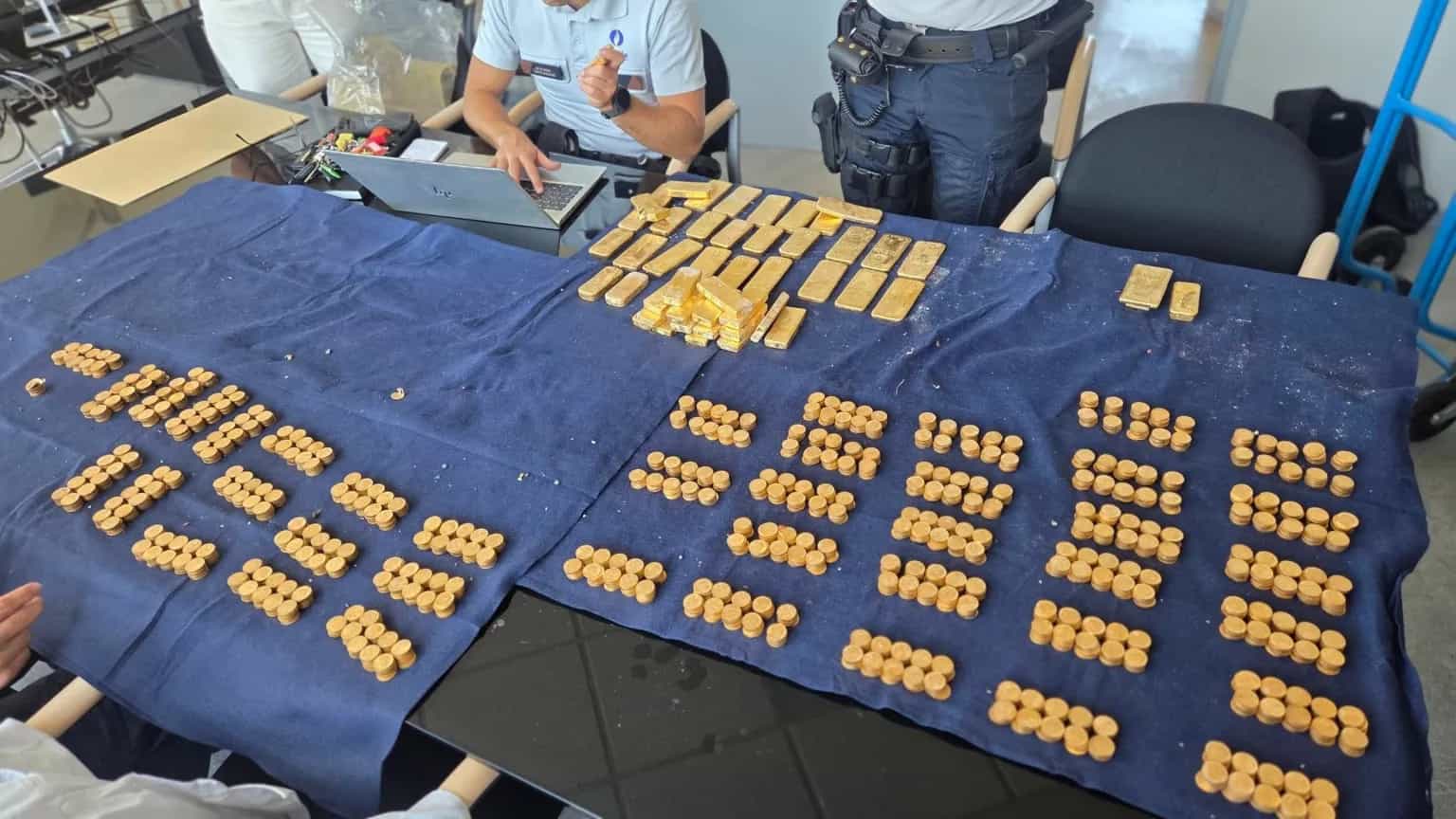
Builders Unearth €9m Gold Hoard Sealed Inside a Belgian Cellar Wall
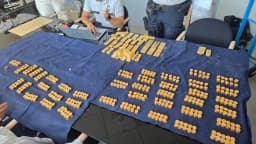
Builders renovating a house in Belgium have discovered a gold hoard reportedly worth around €9m (£7.6m) sealed into the walls of its cellar. The construction workers found the stash of gold bars and coins while drilling to lay new sewage pipes at the property in East Flanders earlier this week, according to local media. Among […]
News
12 min
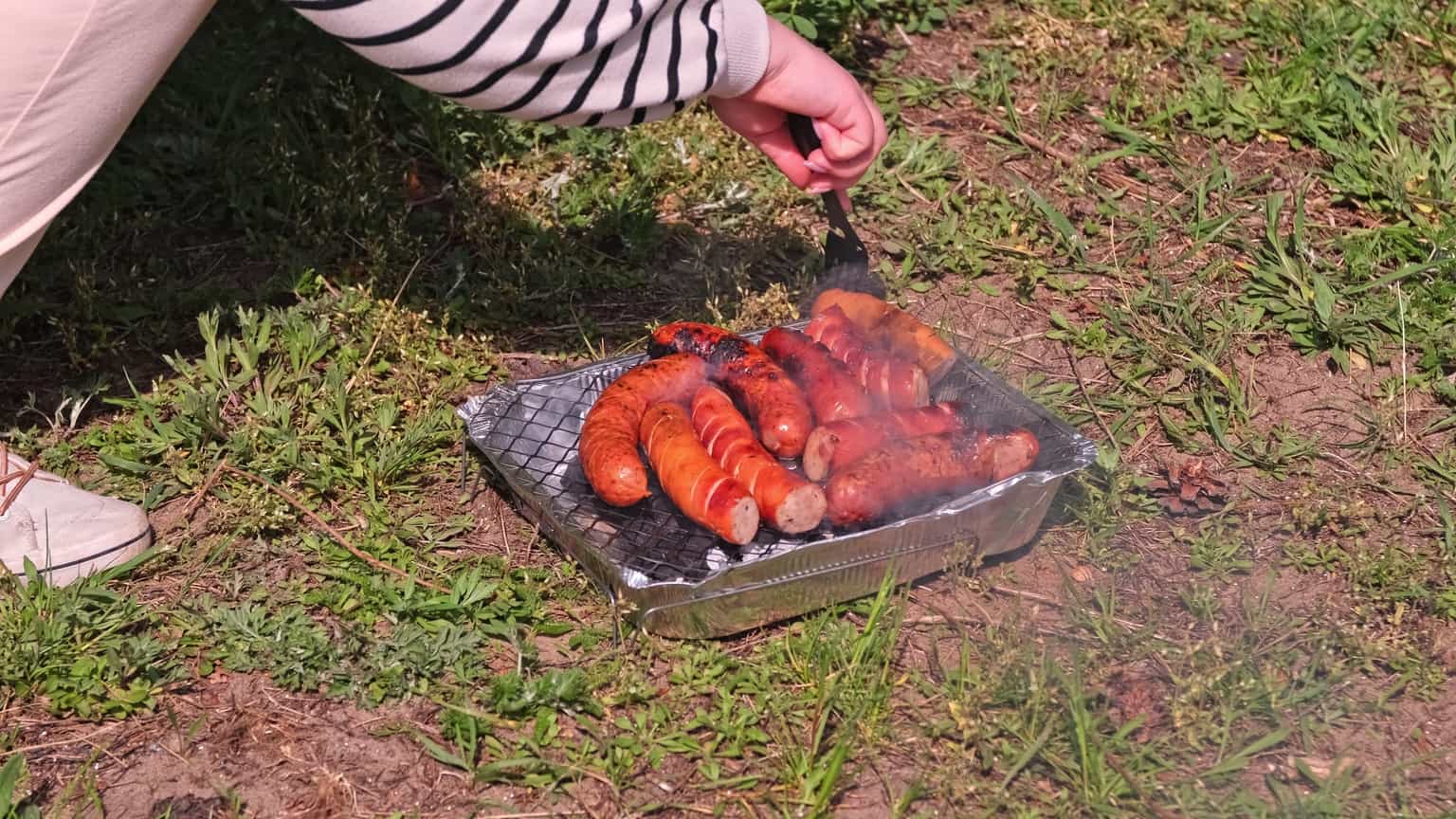
Disposable Barbecues Banned From Sale as Andy Burnham Warns Britain Is a ‘Tinderbox’
The government has issued a temporary ban on the sale of disposable barbecues in Great Britain, warning that the single-use grills pose a “significant risk to the public” during the current drought and heatwave. Guidance published online on Friday tells retailers the products “must not be made available for sale either in store or online […]
News
45 min
Steven Gerrard lands new broadcast role ahead of Premier League season
News