








News

Share
Published 22:01 16 Feb 2022 GMT
Updated 10:57 17 Feb 2022 GMT
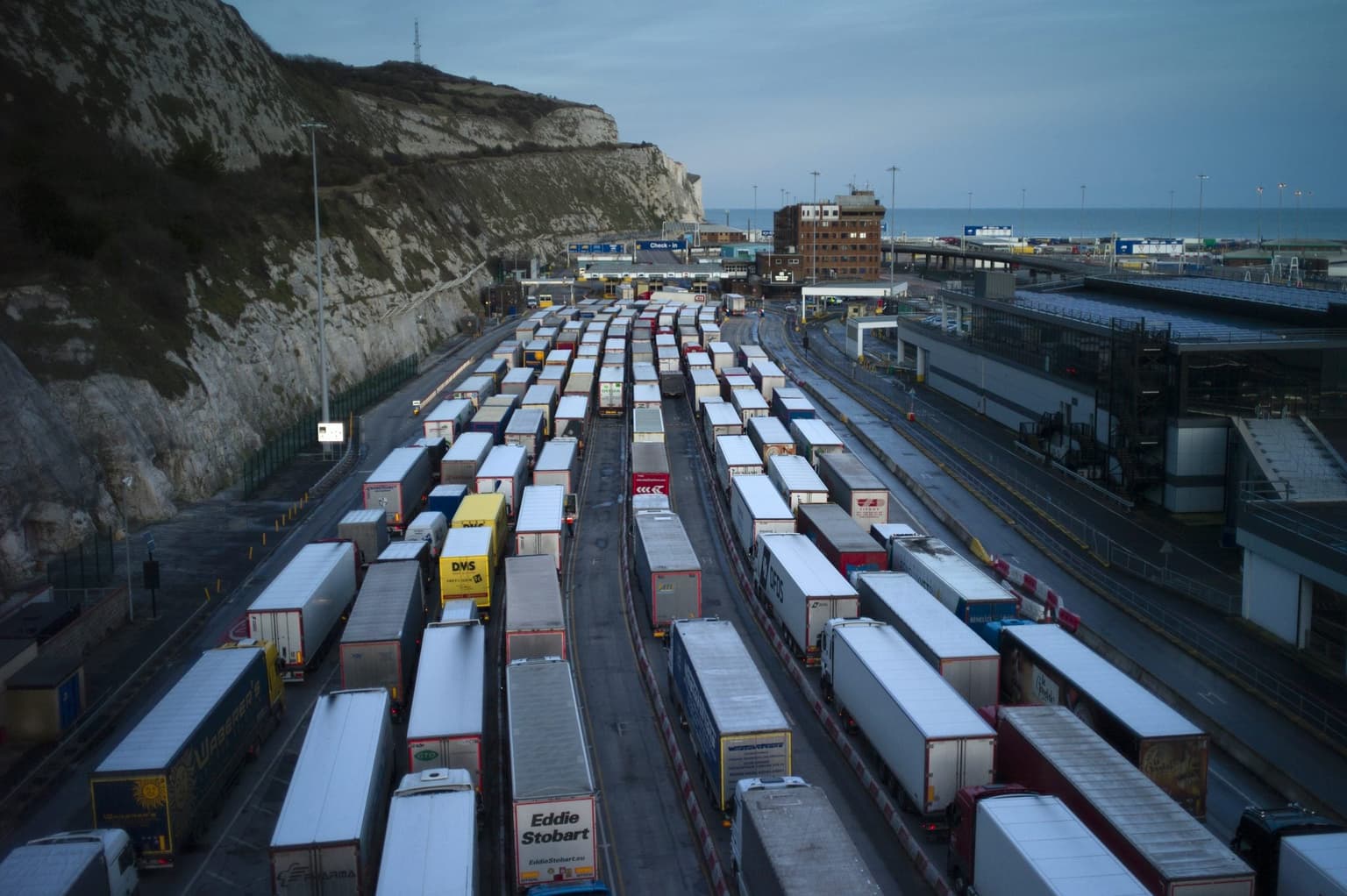
UK exporters to the EU have been knocked by Brexit and businesses have faced higher costs, more paperwork and border delays since Britain’s withdrawal, new research shows.
The survey, carried out by the British Chambers of Commerce, found 71 per cent of businesses felt the EU trade deal was not enabling them to grow or increase sales. Overall, just 8 per cent of firms agreed that the UK's withdrawal from the EU was "enabling their business to grow or increase sales", while 54 per cent disagreed. But the majority of exporters said Brexit had pushed up costs, increased paperwork, delays, and put the UK at a competitive disadvantage. Pain was mostly felt by smaller businesses who said the new Trade and Co-operation Agreement had introduced new levels of bureaucracy that they did not have the time, money or facilities to cope with. Other business expressed concern over the prospect of dwindling international trade, complaining Brexit red tape had put off EU customers from considering UK goods and services due to the perceived costs and complexities Responding to the findings, Labour lambasted the government for showing a "complete lack of support" to businesses. Labour’s Shadow International Trade Secretary Nick Thomas-Symonds MP said the government should be negotiating a "veterinary agreement and working pragmatically with the EU to ensure goods flow easily", but was currently "asleep at the wheel". On Wednesday, newly appointed minister for Brexit opportunities Jacob Rees-Mogg visited the UK's biggest container port in Felixstowe, Suffolk. He urged firms struggling with red tape to write to him, and pledged to tackle issues surrounding trade with Europe.Speaking to the BBC he said "We don't want to replace a European bureaucracy with a home-grown bureaucracy,
"My role is to try and cut through this thicket. My role as the Brexit opportunities minister is to find out where regulations exist that we don't need, and to try and get rid of them."
He added there was little evidence to prove that leaving the EU has damaged UK trade.“We’ve always been clear that being outside the single market and the customs union would mean changes and that businesses would need to adapt to new processes. That is why we are ensuring that businesses get the support they need, including through the free-to-use Export Support Service.
“Goods exports to EU nations were 4% higher last year compared with 2020. However, given the covid-19 pandemic, global recession and supply chain disruption, it is still too early to draw any firm conclusions on the long-term impacts of our new trading relationship with the EU.”
Related LinksExplore more on these topics:

News

News

News
News
Loch Lomond crash: boy, 16, and man, 80, killed in light aircraft crash near Drymen
Major incident declared after fatal plane crash Two people have died following a light aircraft crash in Stirlingshire, prompting a major emergency response and an investigation into the circumstances surrounding the incident. The victims were a 16-year-old boy and an 80-year-old man, who were both found dead after the aircraft came down near Drymen on […]
News
15h
White House press secretary Katie Zacharia fired after five days in position
It comes after Trump said she should ‘reconsider’ her job White House press secretary Katie Zacharia has been fired after five days in the position, as per reports. Zacharia had a tough start to life in the role, hosting a briefing on Tuesday which caused a lot of criticism and raised a number of questions. […]
News
1 day ago
19 people injured after Channel Tunnel collision between bus and train
News