




News

Share
Published 10:31 25 Nov 2026 GMT
Updated 10:31 25 Nov 2026 GMT
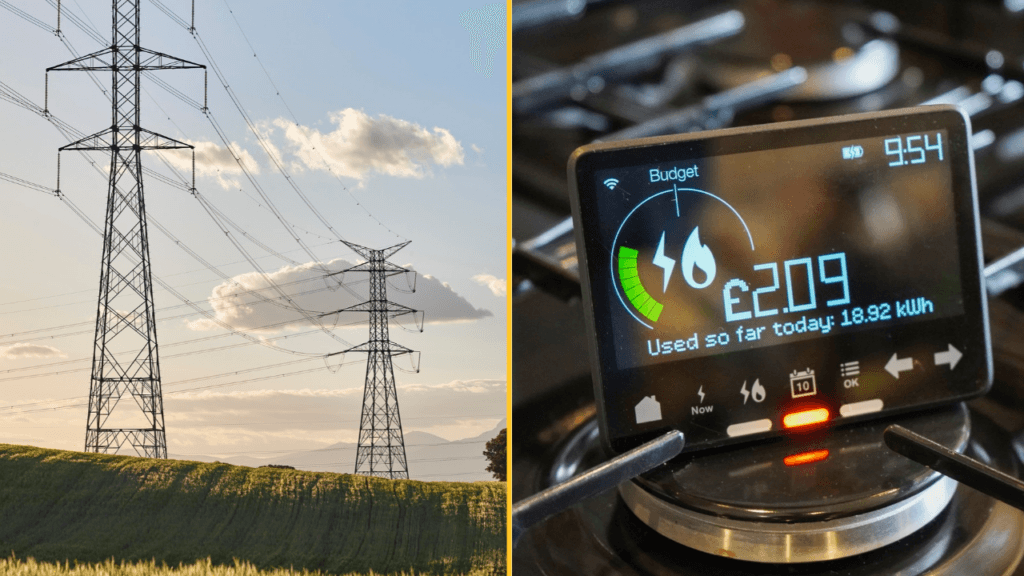
Great Britain and terrible bills, two things we never tire of talking about.
Thanks to the war in Iran and a number of other global factors - mostly finding their way back to Donald Trump - the wholesale cost of electricity has fluctuated enormously this year.
This has led to some of the highest energy bills in the UK for years, and still some of the highest in the world.
While the Ofgem energy cap attempts to keep prices in check, it continuously increases in regular intervals and only comes down with the reduction in the cost of wholesale energy prices.
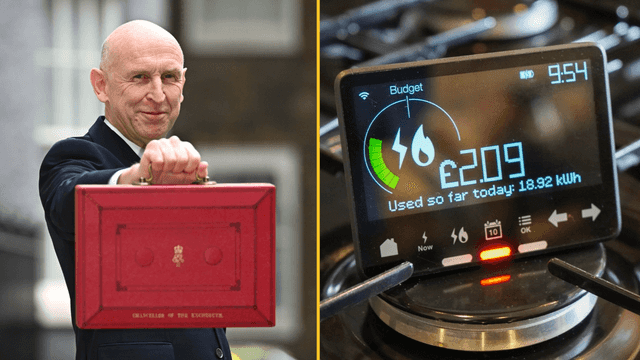
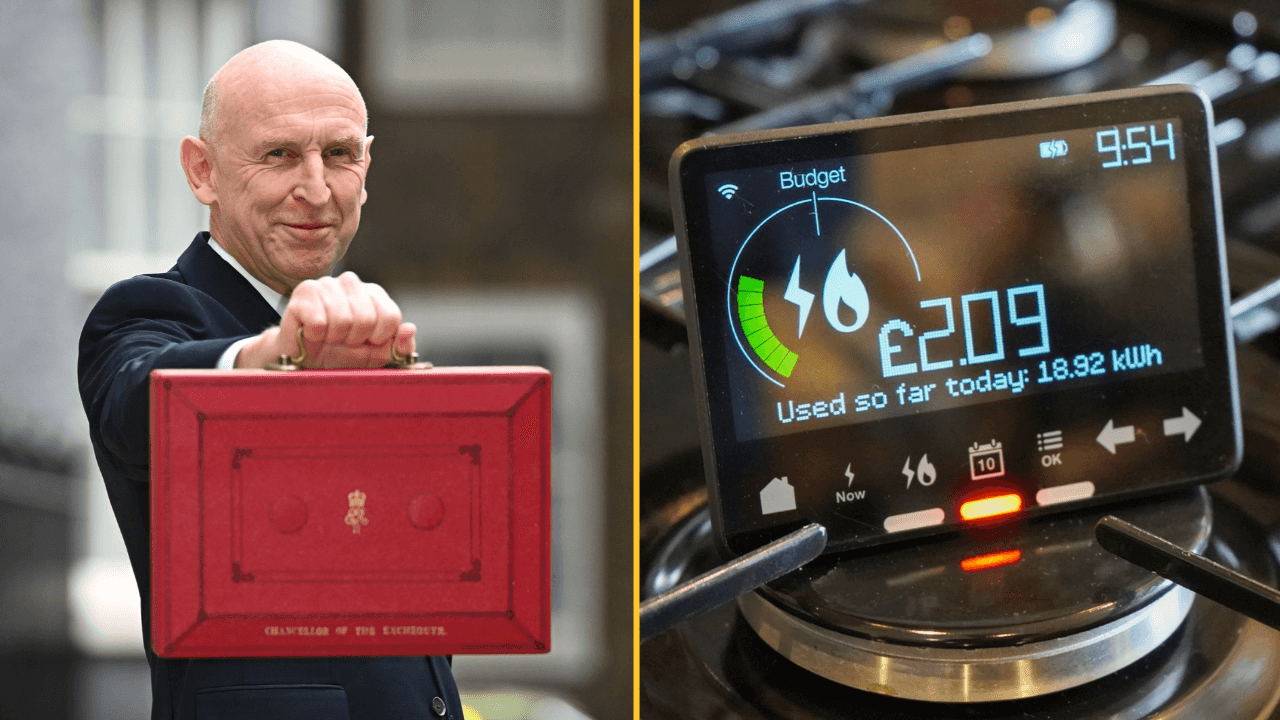
Unfortunately, the next adjustment is set to push bills up even further. From January, millions of households could see their energy costs increase by 26%, following a sharp rise in wholesale gas prices.
Ofgem's cap is expected to rise by £443 a year, which works out at an extra £36.91 per month.
For a typical household using gas and electricity, the new annual figure will reach £2,166, provided prices remain unchanged for the next 12 months.
This would be the biggest increase since Russia invaded Ukraine and sent energy prices spiralling.
It would also leave the cap at its highest level in four years, with the rise coming into effect during winter, when households need more energy to keep warm.
And the January increase is not happening in isolation. The cap already went up by 4% at the beginning of last month, meaning another wave of higher bills is just around the corner.
Of course, the cap limits unit rates and standing charges rather than the total bill, so what each household pays will depend on how much energy it uses.
Not every household will feel the effects of January’s increase, as the changes only apply to customers whose energy bills are tied to Ofgem’s price cap.
This includes approximately 22 million households across the UK, who are on variable-rate contracts and see their bills change whenever the cap is adjusted.
Since the conflict in Iran began in February, these customers have already been hit with two increases: a 13% rise in July followed by another 4% in October.
The upcoming 26% jump will add to those costs, although people who have agreed fixed-rate deals with their energy suppliers will be shielded from this particular change.
Roughly one in three households currently have fixed tariffs, meaning the amount they pay per unit of energy will remain unchanged for the agreed length of their contract.
Explore more on these topics:

News
News
News

Andy Burnham pledges to end use of NDAs against victims of sexual abuse and grooming
January’s changes may only be the beginning The Government could be preparing to take further action against the use of non-disclosure agreements (NDAs), after Andy Burnham described a series of high-profile rape trials as a “watershed moment” for the UK. New rules are already due to come into force in January, removing the power of […]
News
1h
Brits’ approval of government’s Brexit handling soars following new EU deal
Brexit is back in the spotlight. The number of Brits who believe the government is doing a good job on Brexit has reached its highest level in more than four years, according to a new poll. The YouGov survey comes just days after Prime Minister Andy Burnham reached a major agreement with the European Union. […]
News
17h
News
Man admits to murdering Ian Huntley in jail
News