




News

Share
Published 08:19 15 Oct 2025 BST
Updated 08:20 15 Oct 2025 BST
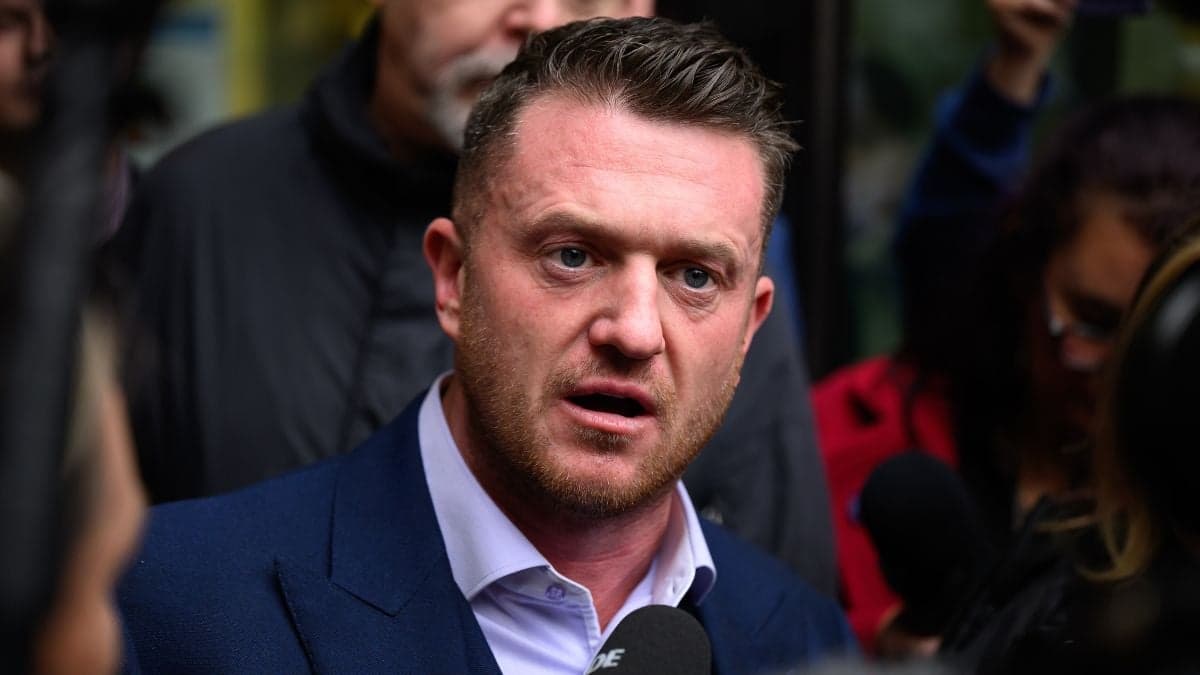
A barrister representing Tommy Robinson told a court that his arrest at the Channel Tunnel last year was "discriminatory" as it was based on the police's knowledge of his political beliefs, per Sky News.
The barrister claimed in court that the "predominant influence" on an officer's decision to stop the activist was: "'Oh look, it's Tommy Robinson.'"
In July last year, the right-wing activist (42) was stopped in Folkestone while driving a luxury Bentley Bentayga, which was not registered in his name.
Robinson was heading to Benidorm, carrying over £13,000 and €1,900 with him.
According to the Terrorism Act, police have the right to stop anyone passing through the UK port to "determine whether they may be involved or concerned in the commission, preparation or instigation of acts of terrorism".
Police officers claimed Robinson gave them "vague replies" regarding his movements, prompting the officers to demand access to his iPhone under Schedule 7 of the act.
Robinson, whose real name is Stephen Yaxley-Lennon, was recognised by police and led to an interview room where his phone was seized, Westminster Magistrates' Court heard.
The activist is accused of "frustrating" counter-terrorism powers by refusing to give access to the phone, per Sky News.
The barrister defending Robinson, Alisdair Williamson KC, said the officer's actions were "discriminatory" because they were based to a "significant degree on a protected characteristic".
He went on to claim that the "predominant influence" on PC Mitchell Thorogood's decision to stop him was: "'Oh look, it's Tommy Robinson.'"
He added: "If MI5 didn't think that Mr Lennon was a terrorist, what did PC Thorogood think he was going to learn by asking him about publicly available information," per Sky News.
Williamson claimed that officers had used an "extraordinary power that needs to be properly policed" to dig up information that was already known.
He also told the court Robinson travels to Benidorm regularly, arguing this should have reduced the officer's suspicions.
He claimed there was "no evidence that the stop was carried out diligently or expeditiously", adding that it was a "fishing expedition" as there was nothing to link Robinson to terrorism.
However, prosecutor Jo Morris said the officer was concerned due to Robinson's "notoriety for associating with far-right activists".
She added: "It is a reasonable suspicion to think that on his telephone there may be information relevant to acts of terrorism."
Explore more on these topics:

News
News
News

News
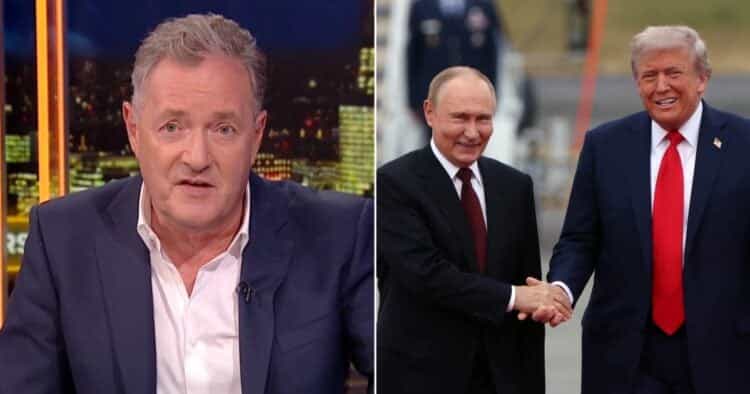
Piers Morgan urges Trump to side with Ukraine against ‘modern-day Hitler’ Putin
‘Give this guy the support he needs to defeat the modern-day Hitler.’ Piers Morgan has urged Donald Trump to side with Ukraine and Volodymyr Zelensky in their war against Russia. There have been strained tensions this week between Ukraine and the US as Trump has cosied up to Vladimir Putin with diesel deals and sham […]
News
1 day ago
Execution of mass killer will not be livestreamed, Trump says
The US president has done a U-turn The execution of a Nidal Malik Hasan will no longer be livestreamed, US President Donald Trump has said. Last week, it was announced that the execution of Hasan, the man behind the Fort Hood shooting, would be livestreamed. The shooting, which happened in Texas in 2009, killed 13 […]
News
1 day ago
Royal Mail ‘on brink of collapse’ as 400 workers reportedly quit every week
News