



News

Share
Published 12:19 29 Nov 2025 GMT
Updated 12:28 29 Nov 2025 GMT
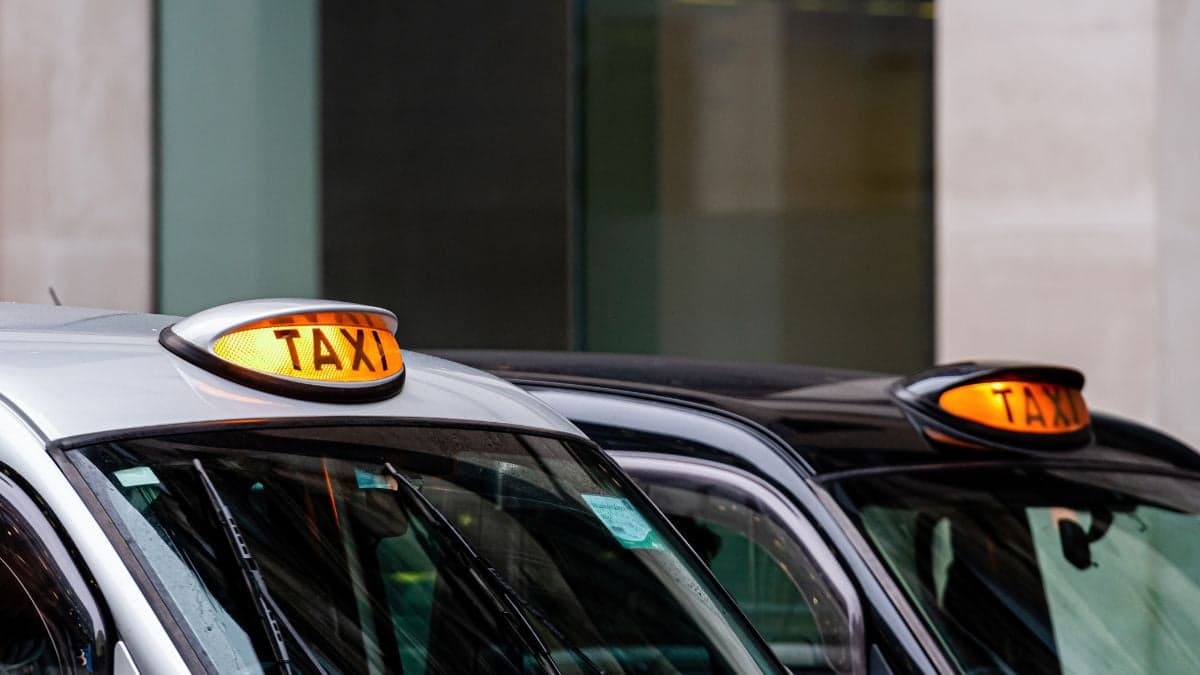
The government has announced that asylum seekers will be banned from using taxis for medical appointments from February.
The move follows a BBC investigation that found some asylum seekers had travelled long distances by taxi or minicab, including one who reportedly took a 250-mile journey to a GP, costing the Home Office £600.
In response to this, the government launched an urgent review into the use and cost of taxis to transport asylum seekers from their hotels to appointments in September, per the BBC.
Now, the government has confirmed it has spent approximately £15.8 million per year on transport for asylum seekers.
It was earlier this year that BBC Radio 4's File on Four found asylum seekers were being given a bus pass for one return journey per week. For other necessary travel, such as doctor's appointments, taxis were being used.
On Friday (28 November), one taxi driver told the BBC his firm would do about 15 drop-offs a day from a hotel in south east London to a doctor's surgery two miles away.
These journeys alone would cost the Home Office £1,000 a day, he said.
According to a different taxi driver, some firms would purposely increase the mileage on trips by dispatching drivers to distant towns to carry out short journeys.
He told BBC Radio 4’s Today programme on Saturday that, on one occasion, he was sent on a 110-mile (175 km) round trip from Gatwick Airport to Reading, costing over £100, to transport an asylum seeker just 1.5 miles from their hotel to a dentist appointment, per The BBC.
The taxi driver, who went by the name Steve, said that while working for a subcontractor, he was sent from Gatwick to Southampton "more than once", and that he drove an average of 275 miles a day.
He went on to say that some of those journeys were completely wasted.
"I'd be sitting there and [would be told] 'oh look, don't worry, [the asylum seekers] don't wanna go', and they basically refused to move. It just logistically wasn't thought out very well, and I think it was left open to abuse," he said.
Now, Home Secretary Shabana Mahmood has claimed this was going to change.
She said: "I am ending the unrestricted use of taxis by asylum seekers for hospital appointments, authorising them only in the most exceptional circumstances.
"I will continue to root out waste as we close every single asylum hotel."
Instead of taxis, ministers want asylum seekers to use public transport.
There will be exceptions for people with physical disabilities, chronic illnesses and pregnancy-related needs; however, these will have to be signed off by the Home Office under the new rules.
Taxis can still be used in certain situations, such as travel between accommodation, but ministers are reviewing their wider use for asylum seekers and want to enforce the principle that taxis should only be used in exceptional cases with supporting evidence.
Explore more on these topics:
News
News
News
News
Wainwright fire kills several at Canada military base
A nearby hospital declared a mass-casualty emergency A fire at a Canadian military base has caused the deaths of several people and left dozens of others injured. The fire broke out at Canadian Forces Base Wainwright on Saturday evening, as per the BBC. According to Canadian broadcaster Global News, which cited unnamed military sources, at […]
News
5h
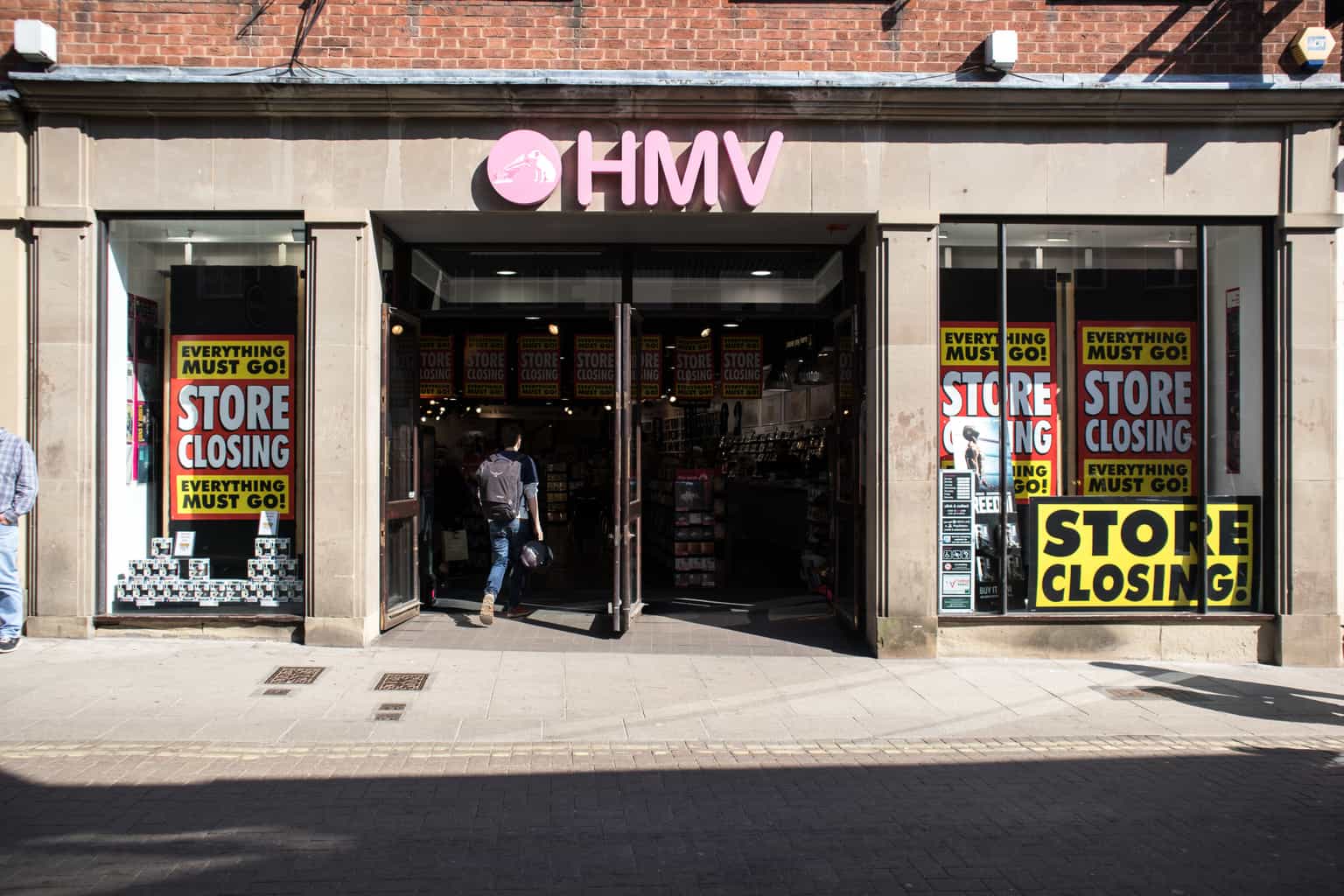
Store closures confirmed as HMV and Typo shut UK shops
More high street closures as retailers battle rising rents The UK retail landscape is set for another shake-up, with four familiar names preparing to close stores as businesses grapple with expensive leases and changing sales. Stationery retailer Typo is withdrawing from the British market altogether, putting its remaining 13 shops at risk of closure. Meanwhile, […]
News
22h

News
Government plans to expand BBC licence fee with proposed ‘YouTube Tax’
News