







News

Share
Published 12:02 10 Sept 2025 BST
Updated 12:25 10 Sept 2025 BST
This article contains affiliate links. We may earn a commission on any sales generated from it.
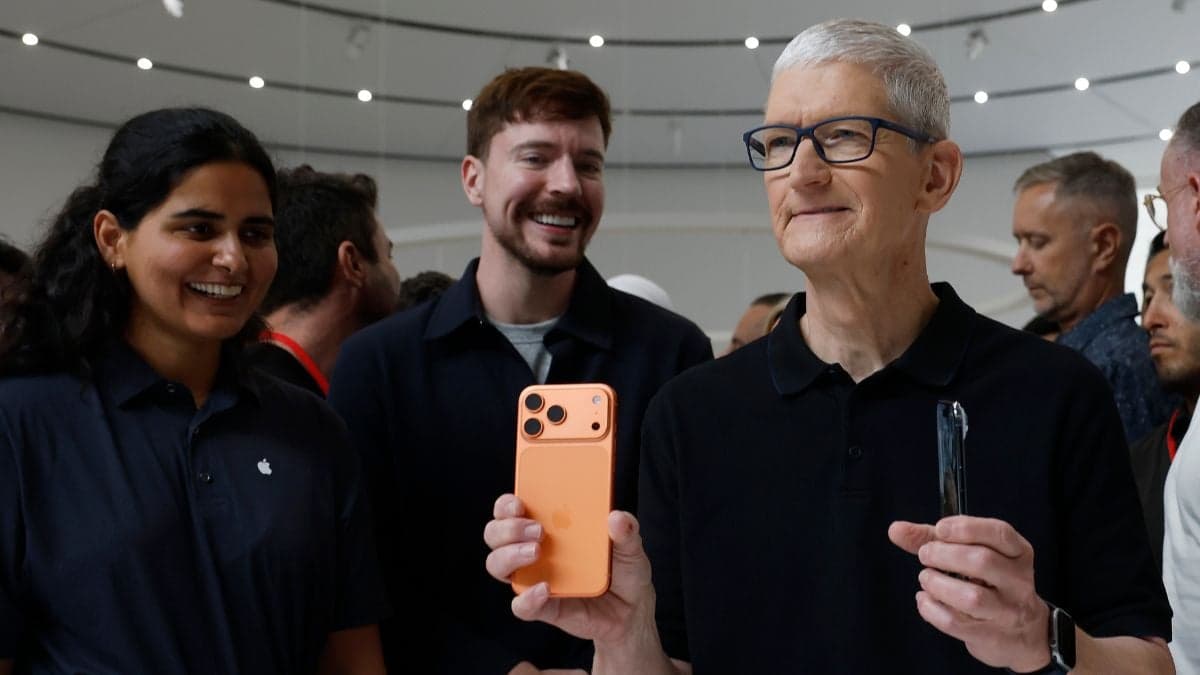
Apple has released its £2,000 iPhone, making it the most expensive iPhone to ever go to market.
Tim Cook has announced that Apple was forced to escalate the price of its most famous product due to Donald Trump's tariff bombardment.
The new iPhone 17 Pro Max handset, which is priced at £1,999, does come with various upgrades, advanced processors, and redesigned cameras.
If you're not willing to pay this amount for the new iPhone, there's no need to worry, as a regular version of the new model, which will start at £799, was also unveiled at Tuesday's (September 9) launch.
You can purchase Apple's standard model at the same price as last year's iPhone 16 model, however, the company is ushering customers towards more expensive models by removing a cheaper version of its Pro handset, which means their premium device will start at £1,099, compared to last year's £999.
This price change shows the effect of Trump's trade war on the company. Due to Apple being threatened with tariffs for some time now, much of its manufacturing has transitioned to India in hopes of avoiding a crackdown on China.
President Trump and U.S. Commerce Secretary Howard Lutnick have continuously insisted that iPhones should be manufactured in the US instead of overseas.
However, analysts claim that this demand is highly unrealistic as it would take years to achieve and could lead to the iPhone's current average price of about $1,000 doubling or even tripling, per LBC.
Initially, CEO Cook tried to appease Trump by pledging Apple would invest $500 billion (£370 billion) in the US over the next four years. Last month, he upped the ante by adding another $100 billion(£74 billion) to the commitment.
Additionally, he also gifted the President a statue with a 24-karat gold base.
By doing this, Apple has been able to dodge some of Trump's most severe tariffs.
Nevertheless, imported iPhones still face duties of about 25%, leading to speculation that the company would raise prices to help obtain its profit margins.
Largely, Apple is sticking to the same prices it has charged for its newest iPhone models over recent years.
Even though Apple's stock price remains down by 4% so far this year, it seems the shares have been bouncing back in recent weeks as it appears the company would not be hit as hard by the tariffs as initially feared.
In addition, a court ruling made it possible for the company to continue receiving £15 billion a year to keep Google's search engine as the default option on iPhones.
Explore more on these topics:

News
News
News

News
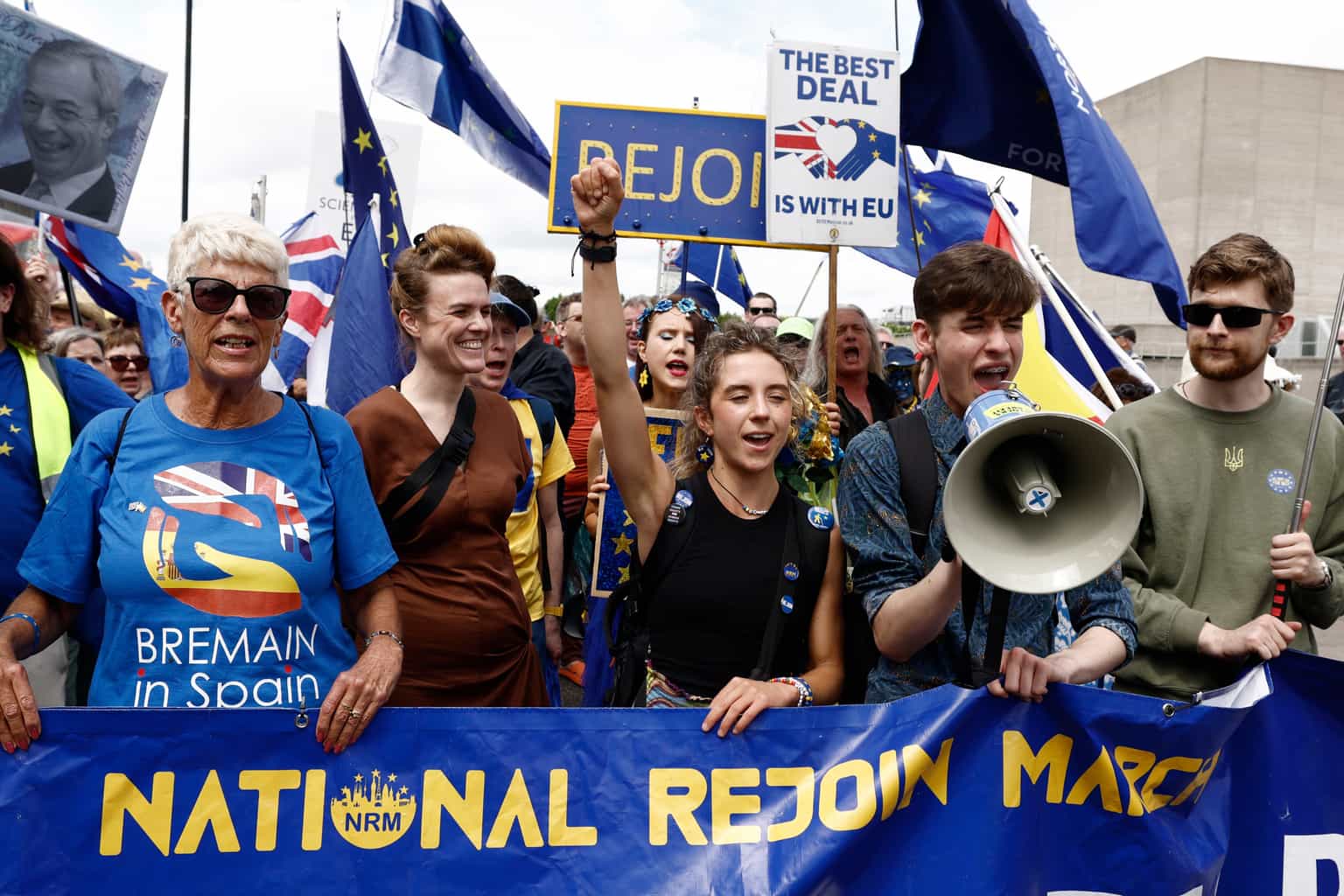
Rejoining EU could boost UK economy by £150bn – Goldman Sachs
Analysts from the bank reckon a ‘Breturn’ would boost the UK economy by 2-5% by the start of the next decade. Goldman Sachs has said rejoining the European Union could boost the UK economy by as much as £150 billion. In a note to clients, the Wall Street bank voiced its support for Andy Burnham’s […]
News
1 day ago
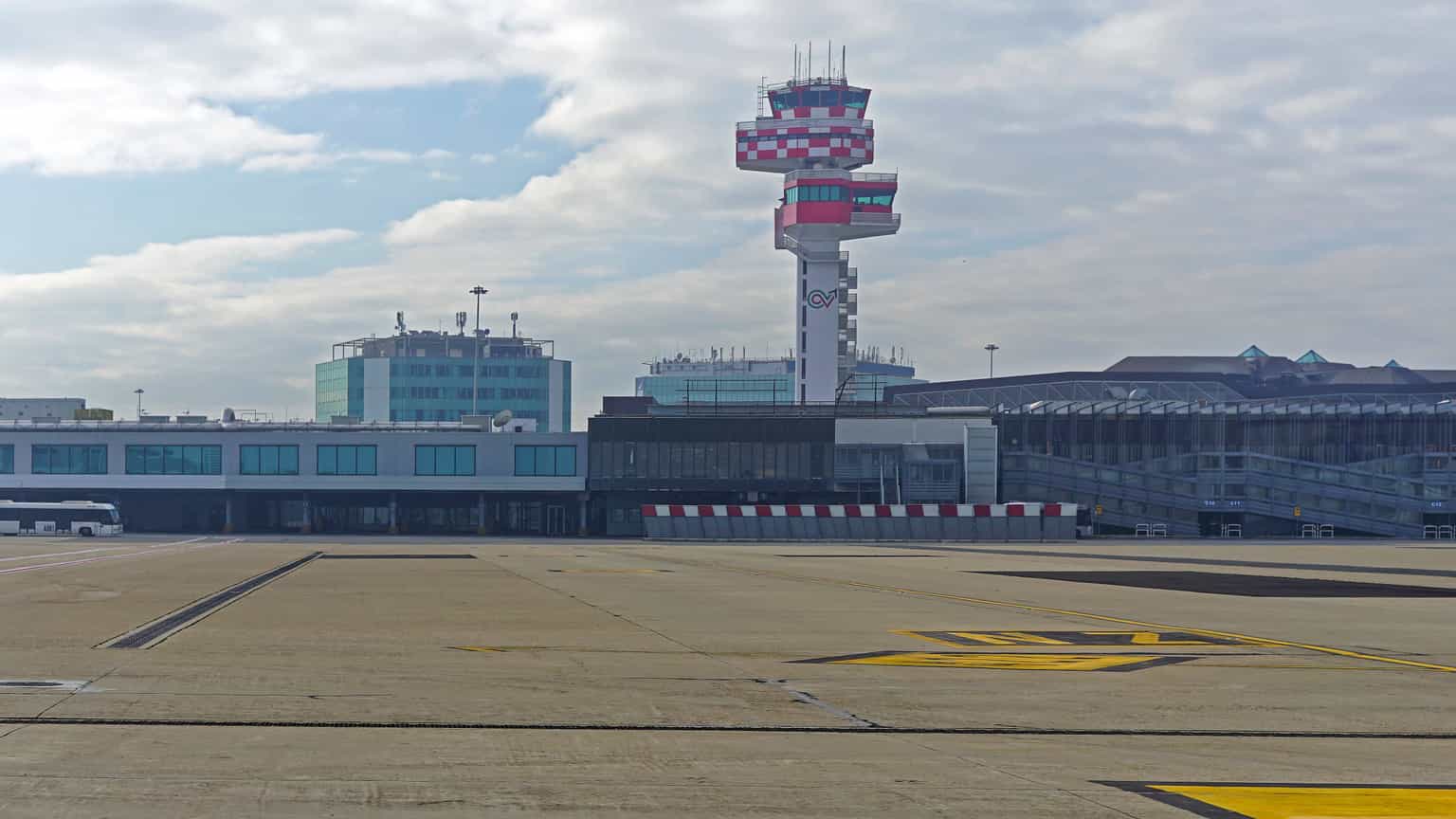
Travel chaos across Italian airports after air traffic control failure
Air traffic management capacity has been slashed in half Travel chaos has struck Italy’s major airports after an air traffic control failure left capacity halved on Friday. Hundreds of flights across Italy have been delayed and over 100 cancelled due to “anomalies” with air traffic control (ATC) services. The Italian air navigation service provider, ENAV, […]
News
1 day ago
News
Abu Dhabi Royal was found passed out on street in London after ‘cocaine binge’
News