







Lifestyle

Share
Published 15:38 15 Dec 2025 GMT
Updated 15:39 15 Dec 2025 GMT
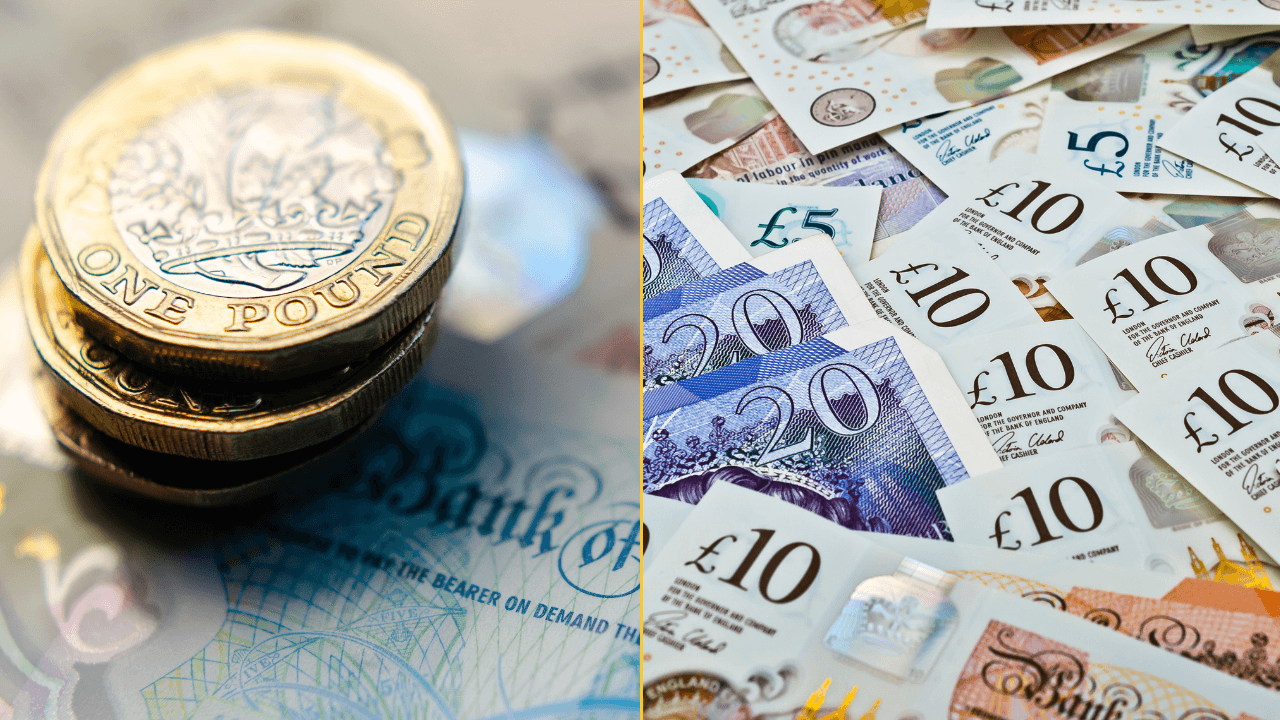
You shouldn’t let your money sit in your account, according to experts, as it’s like choosing to lose cash.
In the UK, 6.4 million current accounts have £10,000 or more in them according to new data, but what all these people probably don’t know is that they’re losing out.
And even if you’re not one of them, that doesn’t mean it doesn’t also apply to you.
According to experts, if you have more than £1,000 in your current account you may as well choose losing money as only 0.04% of current accounts beat inflation by earning 4% or over.
And if you do absolutely nothing and just leave it there, the value of your money drops.
“A current account should be seen as a tool for everyday spending, not a place to store large sums of money long-term”, Derek Sprawling, head of money at Spring told Metro.
“Think of your current account as your digital wallet – designed for convenience, not storage. You wouldn’t carry £2,500 in cash to the supermarket, so why leave it idle in a current account? Treat it as a flow-through space for your money, not a destination”, he advised.
He says that a sensible amount to cover regular bills and some money for unexpected expenses should be kept in your current account. Basically, between £500 and £1,000, but not more.
Sprawling adds that “anything beyond that could be working harder for you elsewhere. With interest rates on many current accounts sitting well below inflation, excess funds are losing value in real terms”.
Sprawling also recommends doing a weekly review of the money in your accounts.
"Weekly budgeting works well for many people – it helps maintain control and prevents overspending. Topping up your current account in line with your spending habits ensures you’re not leaving large sums exposed to inflation”, he says.
“That way, your current account is essentially just a digital wallet – not a money pit losing value by the month”.
But what is inflation, in simple terms?
What inflation refers to is a general rise in the level of prices. It is the opposite of a general fall in the price level, known as deflation.
While you may not notice the low levels of inflation from month to month, price rises can have a big impact in how much you can buy with your money.
Lifestyle

Lifestyle

Lifestyle

Lifestyle
Experts settle age-old debate: Is it cheaper to leave the heater on low all day?
Consumer rights activist Martin Lewis weighs on debate of which method is lighter on your pockets Weather in the UK has dropped significantly as we bid farewell to one of the hottest recorded summers to date, but it might not mean that we’re out of temperature issues. Many households are questioning once again which heating method […]
Lifestyle
2 days ago
Ever felt guilty calling in sick for work? New research shines light on ‘presenteeism’
UK sees a wave of young workers feeling guilt for calling in sick when unwell The wave of young workers feeling ‘guilty’ to call in sick when unwell has raised a few questions on the matter and why so many in the age group feel this way. Are you part of the few that get […]
Lifestyle
2 days ago
Why more dads in England should consider Tom Life Insurance
Lifestyle