






Lifestyle

Share
Published 15:32 25 Feb 2026 GMT
Updated 15:32 25 Feb 2026 GMT
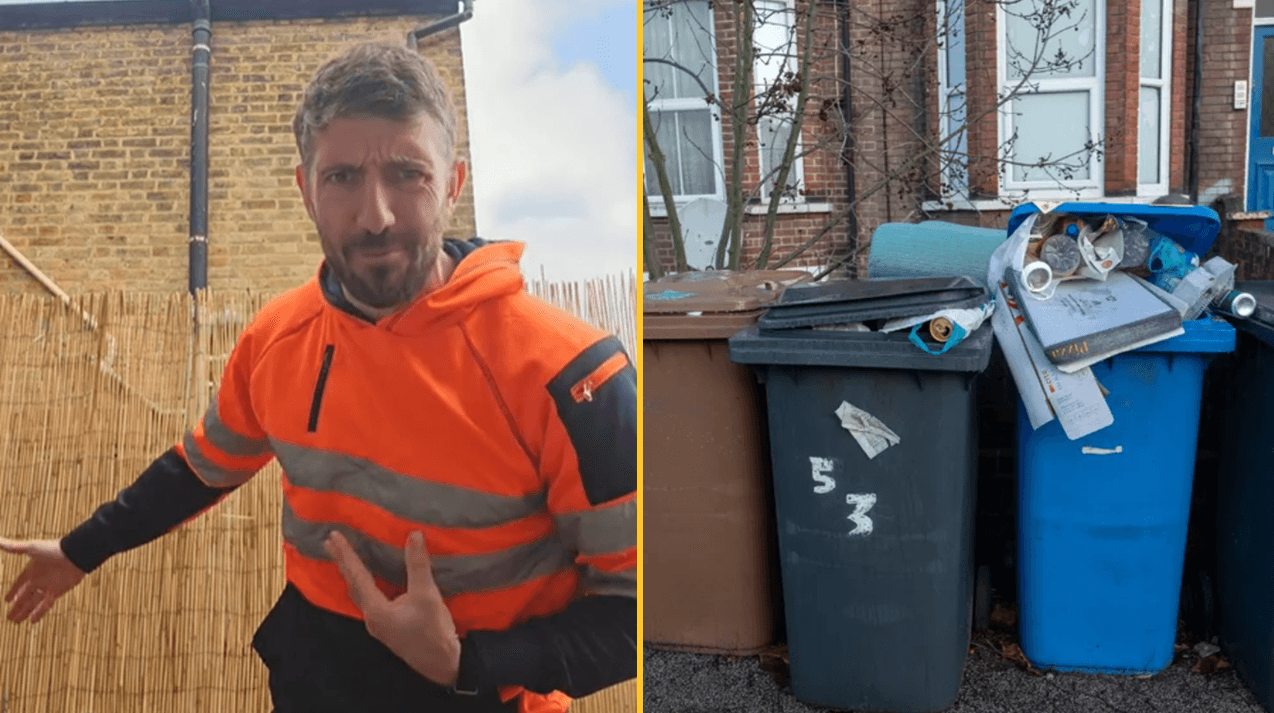
Ashley, known as The No1 Binman, has given advice on how to recycle properly in five tips.
After 13 years of experience in the ‘bindustry’, The No1 Binman says that “some people say being a binman’s a rubbish job”, but that it’s something he loves doing.
“I don't care - as long as you're doing something you love”, he says.
The ‘binfluencer’ answers questions that people send him on Instagram, and continues to share some of his top tips after 13 years of experience in waste and recycling.
Previously, he has given tips on where you should put used cooking oil, and has warned people their recycling may not be collected if a common piece of packaging is spotted inside the bin.
He has also cautioned that your recycling might be “rejected” and abandoned if you mistakenly include a particular everyday item in your bags.
And now, he has shared five tips on how to recycle the right way.
Do not bother with plastic bags
Ashley advises that “everything in recycling bins should be loose apart from food waste”.
“Don't bother putting plastic in a plastic bag and then putting it in your bin - waste of time!”
"Black bags cost a fortune as well. Save your money and just rinse out your containers."
The No1 Binman says that sometimes people complain rinsing will make their water bills go up, but suggests this can be done at no extra cost. He recommends using water left in a washing up bowl, the bath or leaving containers out in the rain.
Line your food bin
Ashley says that maggots and flies are attracted to food left in general waste bins as they tend to be collected less often.
You should take your food recycling bin out every week, but if you are no stranger to the sticky, rotting food at the bottom of the caddy, Ashley has some advice.
“If you leave waste for a couple of days, it sticks to the bottom. Then you're the one having to scoop it out,” he says. “Most councils allow you to use newspaper at the bottom of your food recycling.”
According to The No1 Binman, biodegradable bags can also help, adding that food recycling is for solids only, not for milk or sauces.
Sort your packaging
According to Ashley, “people have a go at the binmen thinking we make the rules”.
If he finds a recycling bin with more than 5-10% of non-recyclable items, he is told to leave the entire bin. One bugbear for Ashley is people who leave their food in the packaging.
He says that “you should be taking food out if you put it in your food waste bin, rather than chucking it straight in there – like if you've got a loaf of bread that's out of date”.
Polystyrene left in the paper bin left in the paper bin is what he sees most, as he adds that “if something comes in a cardboard box, people take the item out and leave the polystyrene in the box.”
Pizza boxes and carrier bags are other repeat offenders, he adds.
“Pizza boxes technically shouldn't go in paper waste because the grease on the boxes makes it unable to be recycled because you can't clean it off”.
“They should be ripped apart and separated. Paper should be clean all the time. But some councils allow you to put them in the compost bin because they can be broken down with dirt and foods.”
Put your bin number on the lid
Ashley advises that you should “put your bin number on the lid”, if you have had issues with your bin going missing.
“It's the only place where no matter where you're standing, you can always see where the number is. The front is OK for people walking past but because you're dragging it, it can be harder to see – and streetlights light up the lids.”
Batteries do not go in household bins
The No1 Binman says “do not put vapes or batteries in any bin”.
“You can take them to B&Q or the vape shop you bought them from and they're meant to dispose of the themselves.”
According to Ashley, some councils let you put batteries on top of bins in little carrier bags but they should never go inside the bin itself.
“I've had this before and I'm not sure if it's a battery or a vape - the back of a lorry started smoking.”
You can have a look at Household Recycling in England for more on what you can and cannot recycle.

Lifestyle

Lifestyle

Lifestyle

Lifestyle
The UK’s coolest places to live have been revealed
Time Out has named the UK’s coolest places to live, eat and hang out Time Out has revealed its annual ranking of the UK’s coolest neighbourhoods, highlighting the places making waves for their independent businesses, lively food and drink scenes and cultural offerings. The list was compiled with help from the publication’s nationwide network of […]
Lifestyle
1 week ago
Bank of Mum and Dad has opened a new branch – on the driveway
Parents are spending more than £500 a year helping their kids use the family car The Bank of Mum and Dad has long helped young Brits get onto the property ladder – but now it seems to have opened a new branch on the family driveway. New research from Compare the Market reveals parents are […]
Lifestyle
1 week ago
Save 65% on this Dual Basket Air Fryer with Touchscreen
Lifestyle