


Entertainment

Share
Published 13:47 24 Sept 2018 BST
Updated 16:09 24 Sept 2018 BST
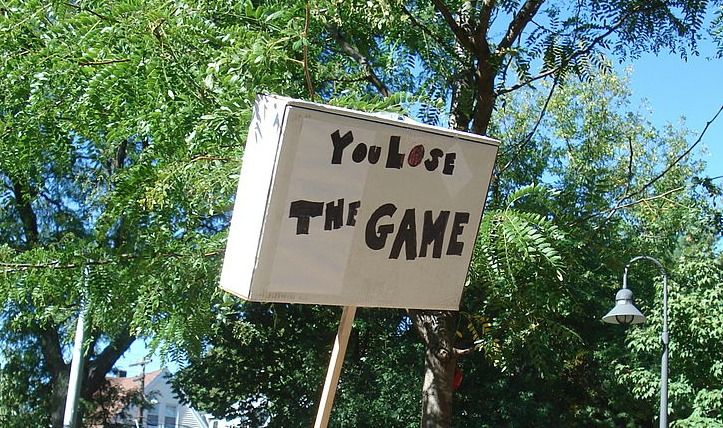 Photo: Edward O'Connor
The objective of The Game was simply to not think about The Game, which made playing The Game easy, losing The Game even easier, and winning The Game basically impossible.
No one can be exactly sure how, when or where The Game started, but similar kinds of mind games and social experiments have existed previously; Leo Tolstoy devised a game with his brother in 1840 where they had to avoid thinking about a white bear.
Let it never be said that 19th century Russian authors don't know how to have a good time.
The psychology behind The Game is called 'ironic processing', whereby attempts to repress certain thoughts end up making them more prevalent. The more desperate you were to not lose The Game, the more likely it was that you would lose, which served you right, frankly.
Photo: Edward O'Connor
The objective of The Game was simply to not think about The Game, which made playing The Game easy, losing The Game even easier, and winning The Game basically impossible.
No one can be exactly sure how, when or where The Game started, but similar kinds of mind games and social experiments have existed previously; Leo Tolstoy devised a game with his brother in 1840 where they had to avoid thinking about a white bear.
Let it never be said that 19th century Russian authors don't know how to have a good time.
The psychology behind The Game is called 'ironic processing', whereby attempts to repress certain thoughts end up making them more prevalent. The more desperate you were to not lose The Game, the more likely it was that you would lose, which served you right, frankly.
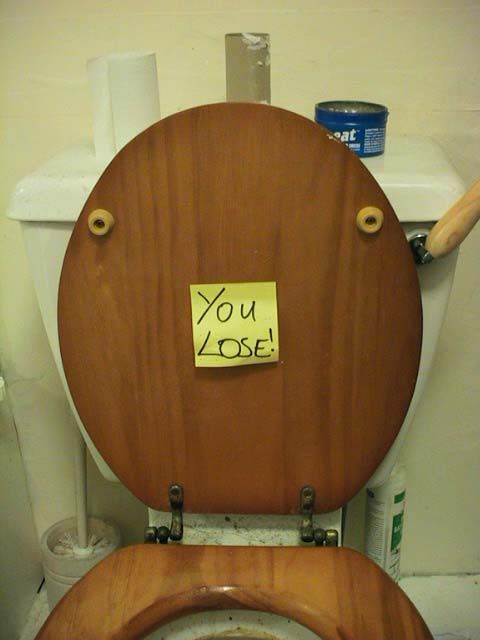 Photo: Kernow
But what made The Game fun wasn't suppressing thoughts of The Game, but forcing other people to lose. Once you were thinking about The Game, and because you had to announce that you had lost The Game, everyone within listening distance of you immediately lost too, prompting indignant groans and/or kicking.
It wasn't enough to simply tell people that they'd lost The Game, though - you had to get creative. T-shirts were made, notes hidden around for unsuspecting players to find. The more people you could force to lose The Game the better, so YouTubers who caused hundreds of thousands of people to lose The Game must feel pretty good about themselves.
If The Game was part of the landscape at your school then you will no doubt remember trying to trip up your mates and make them lose The Game, but in time, all memories fade, and The Game too will have slipped from your consciousness as you got older.
So if you've left school, grown into a semi-functioning adult with a job and a place to live and haven't thought about The Game since the '00s, congratulations.
You just lost again.
Feature: Jason Scragz / BBC
Photo: Kernow
But what made The Game fun wasn't suppressing thoughts of The Game, but forcing other people to lose. Once you were thinking about The Game, and because you had to announce that you had lost The Game, everyone within listening distance of you immediately lost too, prompting indignant groans and/or kicking.
It wasn't enough to simply tell people that they'd lost The Game, though - you had to get creative. T-shirts were made, notes hidden around for unsuspecting players to find. The more people you could force to lose The Game the better, so YouTubers who caused hundreds of thousands of people to lose The Game must feel pretty good about themselves.
If The Game was part of the landscape at your school then you will no doubt remember trying to trip up your mates and make them lose The Game, but in time, all memories fade, and The Game too will have slipped from your consciousness as you got older.
So if you've left school, grown into a semi-functioning adult with a job and a place to live and haven't thought about The Game since the '00s, congratulations.
You just lost again.
Feature: Jason Scragz / BBC
Entertainment

Entertainment

Entertainment

Entertainment
‘Amazing’ air cooler drops to under £40 ahead of the next UK heatwave
This article contains affiliate links. We may earn a commission on any sales generated from it.
Entertainment
6 days ago
The JOE Film Club Quiz: Week 100
Movie fans, assemble! Welcome to the 100th entry in The JOE Film Club Quiz. This week, we are presenting players with stills from 10 movies. They then must select which film the images are from based on three options. Have what it takes? Play below and find out. Name the movie Independence Day Men in […]
Entertainment
6 days ago

Entertainment
Couples warned against Sydney Sweeney ‘sploshing’ trend as heatwave hits UK
Entertainment


#/media/File:You_lose_The_Game.jpg)
#/media/File:Youlose.jpg)