

News

Share
Published 15:33 28 May 2025 BST
Updated 15:33 28 May 2025 BST
The UK Health Security Agency (UKHSA) is urging people to stay at home for 48 hours if they've been infected with the norovirus.
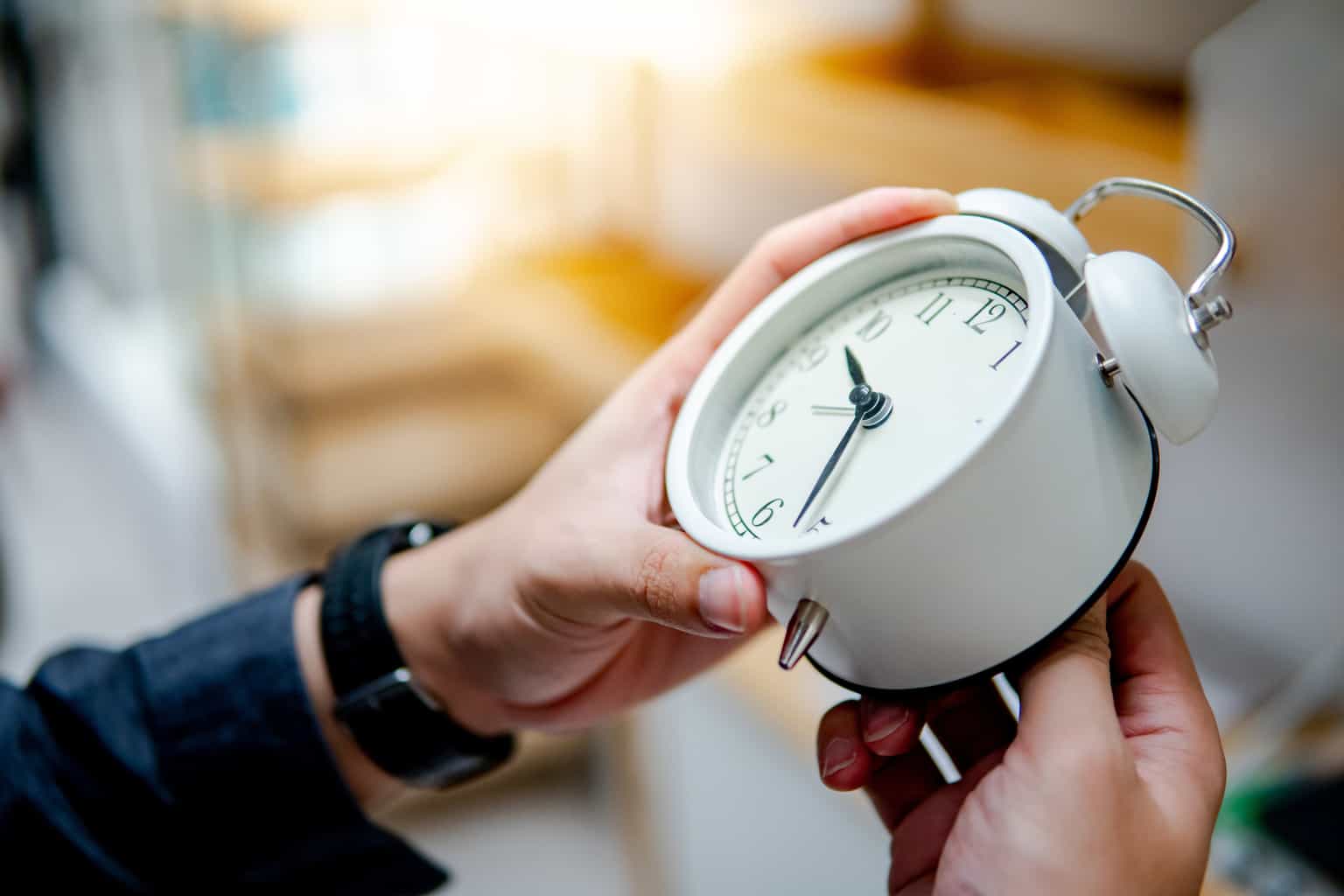
"Norovirus is incredibly infectious, so if you're feeling unwell stay home for 48 hours after symptoms stop as you are still infectious during this time," read an official warning, with cases reportedly more than double the five-season average between March 31 and April 27 this year.
That's 14,959 laboratory reports compared to the usual 6,446.
Coined the 'winter vomiting bug', norovirus symptoms suddenly appear and can include diarrhoea, vomiting and nausea, while other indicators could be headaches, stomach cramps, and a high fever.
Like most illnesses of this nature, contraction comes via close contact with an infected individual, and touching contaminated surfaces/objects and then the mouth.
"Stay at home. Do not return to work or send children to school until 48 hours after the symptoms have stopped and do not visit your GP or hospital while symptomatic," continued the UKHSA's message.
"If you are concerned about your symptoms, talk to your GP by phone, contact NHS 111 or visit the NHS norovirus webpage.
"Individuals are most infectious when symptomatic, but it is possible to pass on norovirus or shed the virus, thereby contaminating surfaces, objects or even food, both before developing symptoms and after symptoms have stopped," they added.
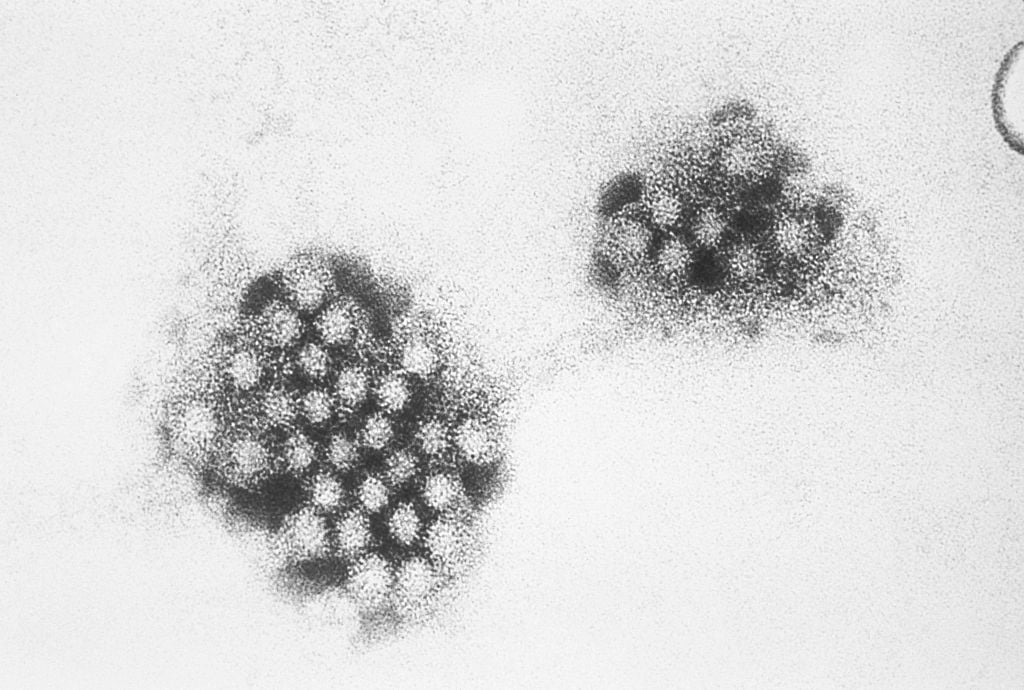
Hospital outbreaks of the norovirus have skyrocketed too, as official figures display a 43% increase in the five-season average.
Promisingly, the UKHSA did also acknowledge that the virus' numbers has recently "started to decrease".
This comes after it was announced last October that the first-ever norovirus vaccine was being trialled across close to 30 hospitals operating under the NHS.
More than six countries around the world are taking part, with 25,000 adults mostly above the age of 60 involved.
If successful, researchers are hoping that this vaccine can reduce the volume of vulnerable adults in hospitals during winter, eradicating some of the burden put upon the NHS.

News
News
News

News
Flight cancelled after snake found on plane in first of its kind incident
Samuel L. Jackson was right to be worried A domestic flight in Japan was grounded after a snake was discovered lurking beneath the floor covering inside the aircraft, prompting an unusual search to establish how it had managed to get aboard. According to Metro, the 40cm reptile was identified as a Japanese striped snake, a […]
News
23 min
UK towns with best and worst average food hygiene ratings revealed
Everyone loves a top 10 That fabled green sticker, those six circles in the middle counting from 0 up to 5, the five star rating that beckons you and says ‘come in and eat, I won’t give you food poisoning’. That is the beauty of the Food Standards Agency’s Food Hygiene Rating which people in […]
News
59 min
News
BBC confirm two TV channels and one radio station are to be axed in cost-cutting measures
News