








Health

Share
Published 16:17 24 Jun 2026 BST
Updated 16:17 24 Jun 2026 BST
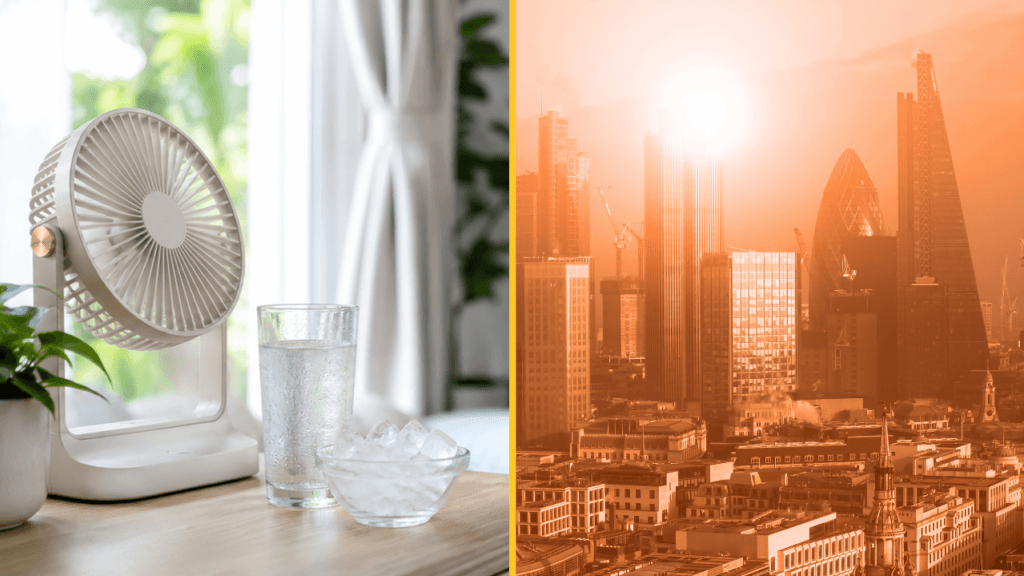
As we’re battling the heatwave during times when temperatures are soaring, experts have come up with a few practical tips on how to keep yourself and your home cool.
While record-breaking temperatures are expected today and into tomorrow, a rare red weather warning has come into force.
Due to the extreme heat, hundreds of schools are completely closing or sending pupils home early.
The red warning is signalling an “exceptional spell of hot and humid weather”.
While temperatures of 30C can feel breezy and pleasant in the holiday hotspots like Spain and Portugal, in the UK it can feel sticky and humid.
But how can you stay cooler during these difficult times ahead?
The experts have chimed in with six practical tips.
To release trapped warm air and allow in cooler air, you should open windows on opposite sides of the house, as this encourages air flow.
However, do make sure to do this when the air temperature outside is cooler than inside.
This usually is the case overnight or in the early part of the day, the experts say.
Especially on the side of your home where the sun is shining, it is best to keep your windows shut and blinds or curtains closed in the heat of the day.
As per the experts, this is an effective way to make sure the heat doesn’t get trapped in during the warm temperatures.
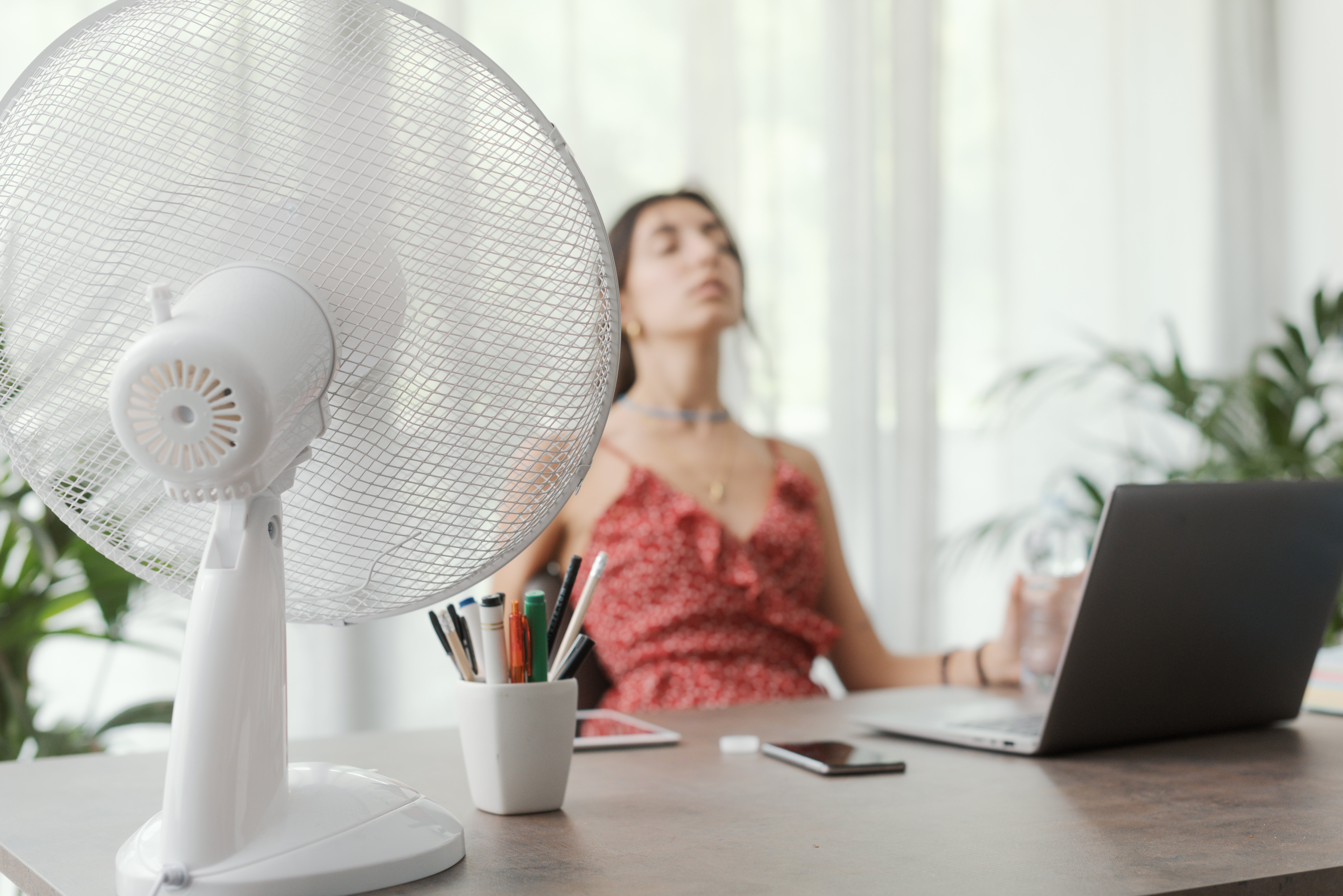
As they’re a relatively cheap and an energy efficient way to keep air moving while helping you stay cool, fans are quite effective.
According to the latest guidance from the Energy Saving Trust, if you use a freestanding fan for a 24-hour period, typically it will cost you between 15p and 31p.
How you can encourage the fresh air from outside to be blown throughout the room is simply by putting the fan in front of an open window.
This as long as it is cooler outside, of course.
To make sure the air being blown in your direction is cool, it can also make a huge difference if you place ice cubes in front of the fan.
To create a cross current, you can simply use more than just one fan.
According to Prof Mike Tipton of the University of Portsmouth, it is important to understand how the body works.
“Fanning the face improves thermal comfort most, but fanning the whole body helps lower body temperature more”, he says.
However, he has warned that if you use a fan when temperatures are above 35C, it may make things worse, as you are ultimately just directing hot air towards your body.
The Energy Saving Trust says 24 hours of continuous use of air conditioning costs between £4.84 – £6, so this makes it a more expensive alternative than your typical fan.
During and after their use, it goes without saying that ovens and cookers emit a lot of heat into the home.
This is why, the experts say, sticking to cold foods such as salads - especially during the hottest times of the day - can stop unnecessary heat being generated.
Heat can also get produced by other appliances, such as washing machines and dishwashers.
This is why you should try not to use them when it is hottest.
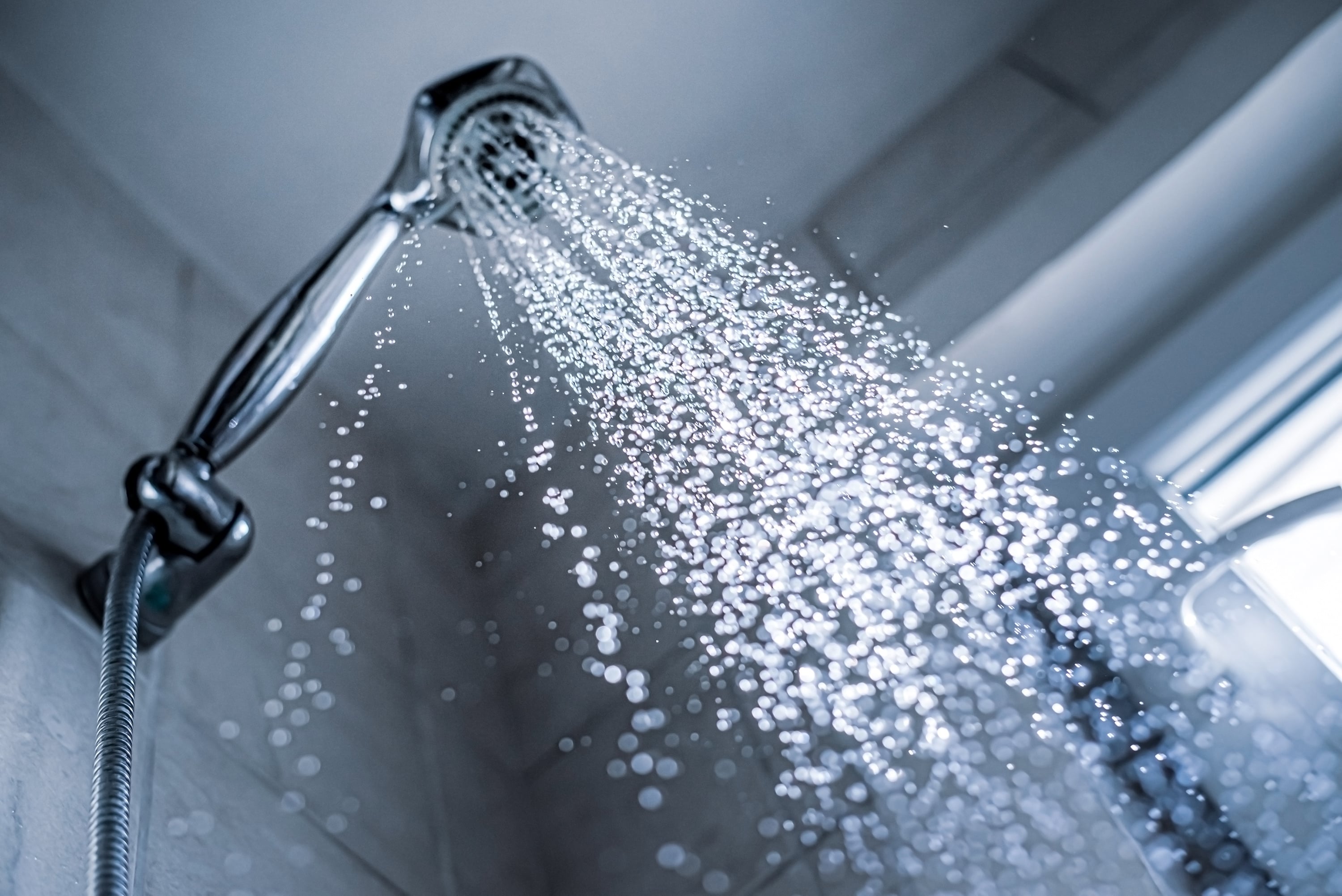
Lukewarm showers can help to cool your body temperature, saving both money and energy.
However, Prof Tipton warns not to go too cold: “The trick is to try and get the skin as cool as possible whilst maintaining maximum blood flow to it.”
“Too cold and the body will shut down blood to the skin and trap the heat in the body making it harder to get out.”
How you can achieve an instant feeling of relief is by putting an ice pack or cold-water bottle on your body.
In order to avoid direct contact with your skin, you may want to wrap it in a towel.
Meanwhile, your clothes can also really affect your body temperature.
Materials like cotton and linen help to regulate body temperature and loose-fitting clothing allows room for the breeze to cool you down.
Buildings that have air conditioning such as libraries, leisure centres and shopping centres can also provide relief if your home is too hot.
Meanwhile, some local authorities have created a network of so-called “cool spaces” where the public can go, including London, Manchester and Bristol.

Health

Health

Health
Health
What are the symptoms of prostate cancer as Jeremy Clarkson reveals diagnosis
Here’s what you should consider Jeremy Clarkson shared the diagnosis in the final episodes of the fifth series of Clarkson’s Farm, which premiered overnight. The show, aired on Amazon Prime Video, documents the trials of farming on his land in Oxfordshire. The former Top Gear presenter had warned fans on Instagram that the latest videos […]
Health
1 week ago
Jeremy Clarkson reveals ‘aggressive’ cancer diagnosis
He shared the emotional news on Clarkson’s Farm. Jeremy Clarkson shared the diagnosis in the final episodes of the fifth series of Clarkson’s Farm, which premiered overnight. The show, aired on Amazon Prime Video, documents the trials of farming on his land in Oxfordshire. The former Top Gear presenter had warned fans on Instagram that […]
Health
1 week ago
Woman, 22, given 18 months to live after vaping since age 15
Health