




Food

Share
Published 13:31 16 Jun 2025 BST
Updated 13:31 16 Jun 2025 BST
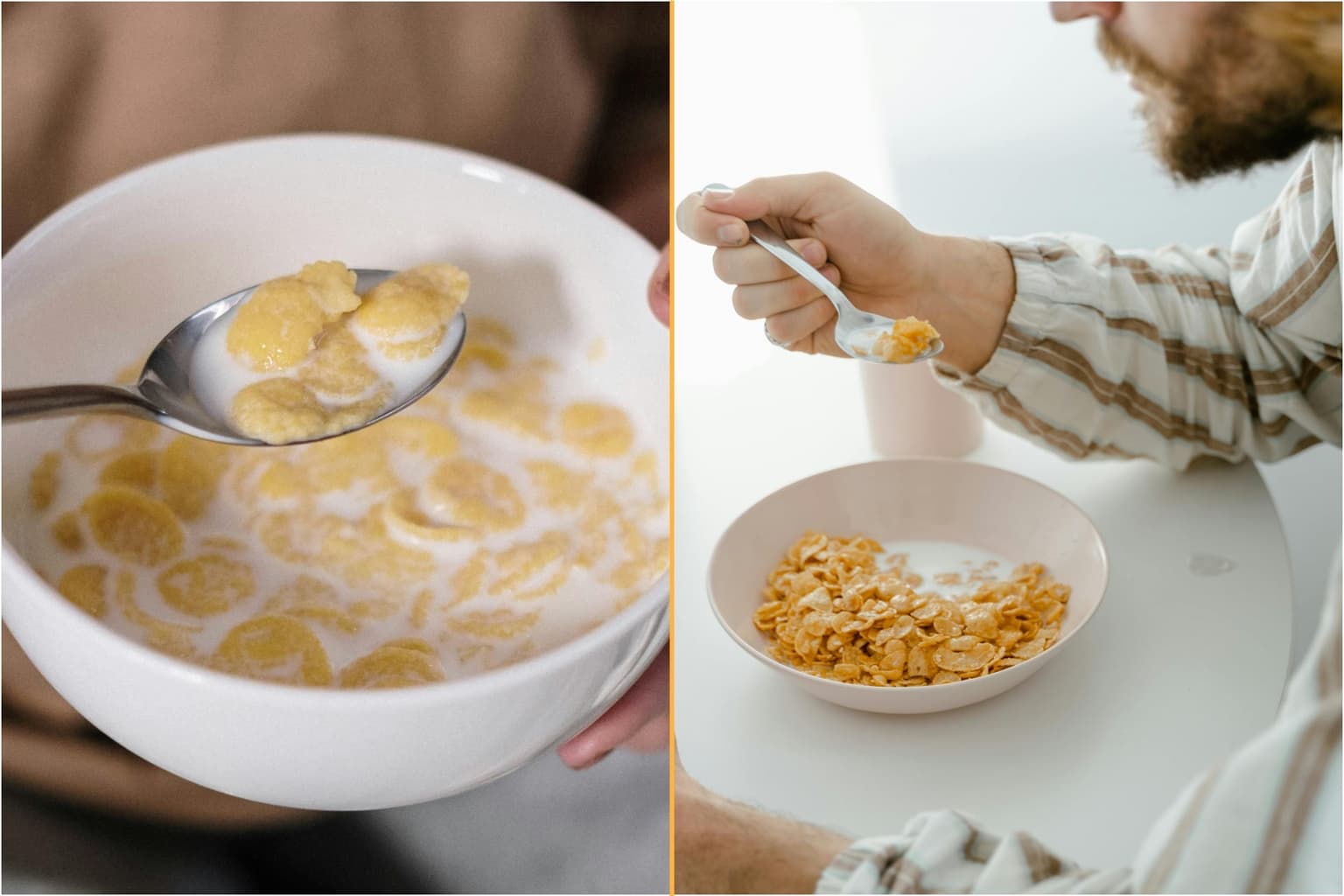
Crunch wizards working in a research lab at the birthplace of the cereal industry have developed what they believe to be one of the first sog-defying cereals.
After 18 months of painstaking research where food scientists pored over hundreds of recipes, innovators appear to have achieved what few people thought possible - by beating the crucial three-minute sog test.
The news is sure to delight the nation as new research from Kellogg’s discovers that soggy cereal is a big no no for Brits – with 51 per cent of those surveyed saying they prefer cereal that’s crunchy.
Almost a third (32 per cent) said that they worry about their cereal going soft, jumping to almost half (45 per cent) in London - with 15 per cent even saying that soggy cereal would ruin their morning completely.
The revolutionary new cereal, Kellogg’s Oaties, available in Original Crunch and Choco Crunch, managed to retain its structural integrity during the three-minute soak test, thanks to its unique shape and high-fibre ingredients.
To mark the innovation, a new study has pinpointed the nation’s ‘crunch capital’, as well as identifying the most prolific places in Britain which prefer their cereal with a little less bite.
Wrexham topped the list, with Leeds and Norwich also revealed among the places where most families love crunchy cereal.
For crunch lovers, texture (64 per cent), a better eating experience (55 per cent) and being a better pairing with milk (53 per cent) are the main reasons for firmly choosing team crunch.
Almost half (49 per cent) of Gen Z said that they want to eat crunchy foods because of social media food videos, whereas millennials (48 per cent) said that it’s because of visual appeal and textures.
Other astonishing discoveries highlighted that 13 per cent of Brits would consider adding ice cream to their cereal alongside avocado (10 per cent), cheese (10 per cent) and even hard boiled eggs (8 per cent).
Most, however, are happy to stick with fresh fruit (33 per cent), honey (23 per cent), dried fruit (22 per cent) and yoghurt (21 per cent) as their cereal toppings.
Explore more on these topics:
Food
Food
Food

Food
Every Nando’s side ranked from worst to best (the 2026 tier list)
Which Nando’s sides are actually worth it? Choosing your Nando’s chicken is only half the battle. The side you throw on the plate can either complete the meal or leave you wondering why you bothered ordering it in the first place. With everything from basic veg to fully loaded chips on the menu, there are […]
Food
1 week ago
The High-Protein Nando’s Order: A Gym-Goer’s Guide to Macros
Nando’s can actually work for a high-protein diet Trying to keep your calories under control while getting enough protein can make eating out a bit tricky. But if you’re following a high-protein diet, Nando’s actually has plenty of options that can fit into your macros without turning one meal into a full-on calorie bomb. With […]
Food
2 weeks ago
Food
Marmalade to be rebranded in new post-Brexit food deal with EU
Food