



Fitness & Health

Share
Published 12:28 16 Jul 2018 BST
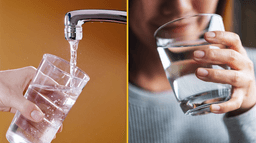
 What is an optimal strategy for hydration when it’s particularly hot?
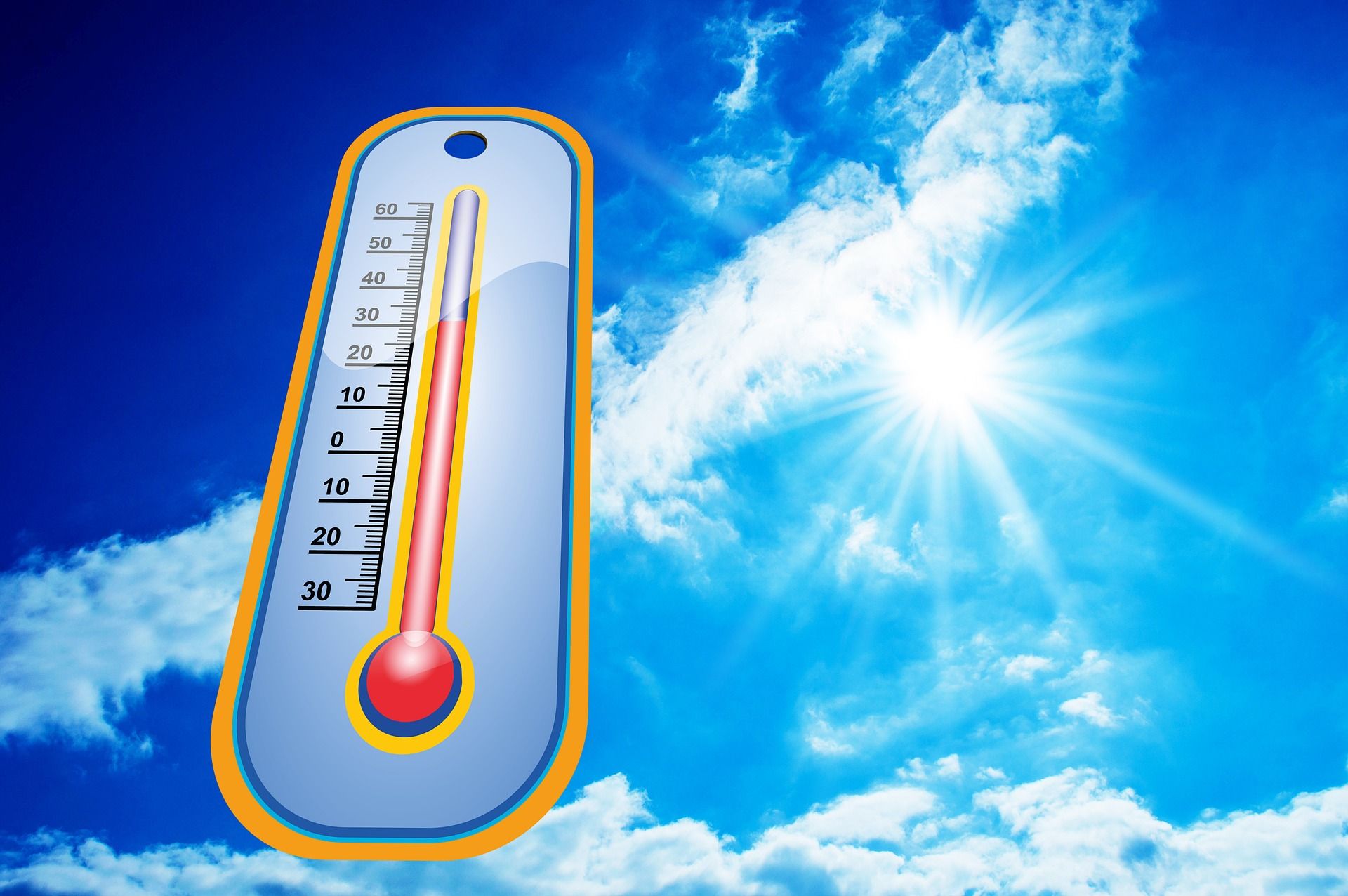
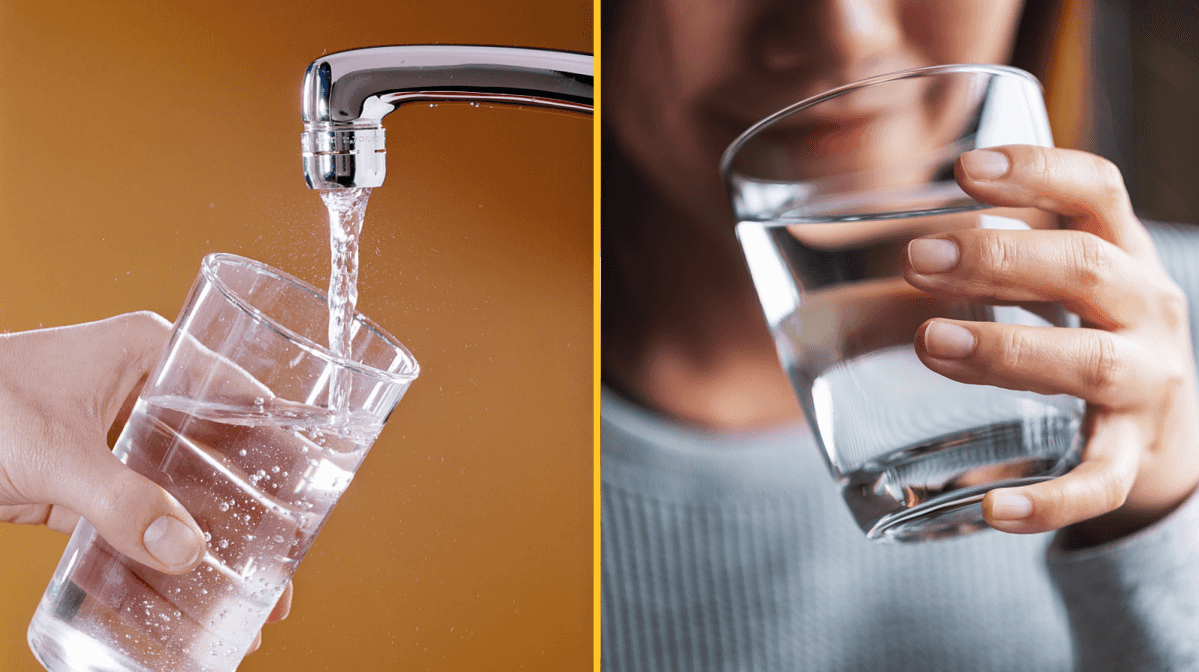
"Water and salt loss during exercise is inevitable due to sweating. This loss is exacerbated with higher environmental temperature. Excess water loss leads to dehydration which also leads to a drop in exercise performance.
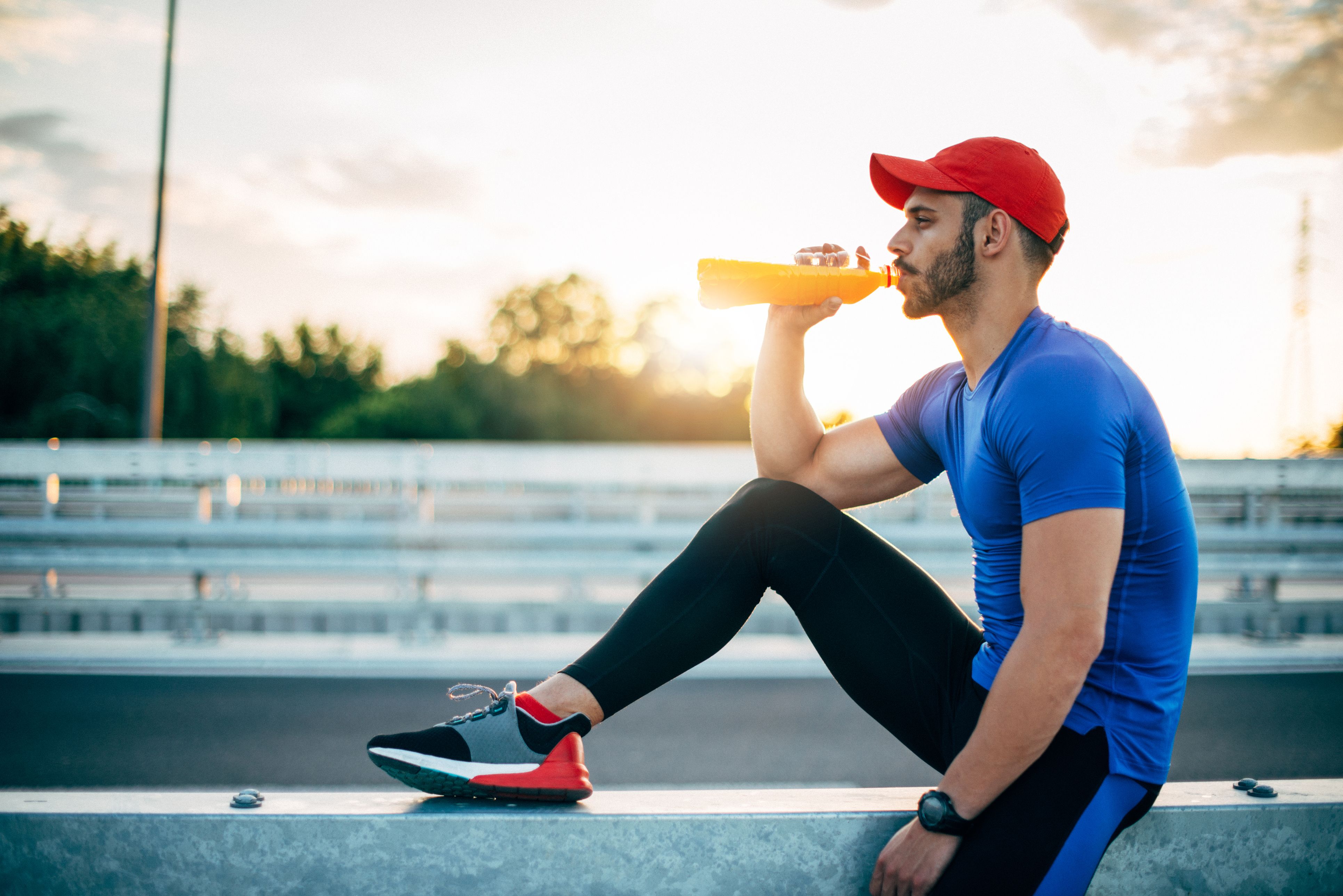
"The most sensible way to manage this is to drink more on hotter days. You also lose salts when you sweat so adding an electrolyte table to your water bottle or making sure your drink of choice contains them is also a good measure.
"When you drink, there is a maximum rate at which your bottle can absorb the water. A strategy of drinking little and often can be applied to help optimise usage without taking too much water onboard that is then just passed."
What is an optimal strategy for hydration when it’s particularly hot?
"Water and salt loss during exercise is inevitable due to sweating. This loss is exacerbated with higher environmental temperature. Excess water loss leads to dehydration which also leads to a drop in exercise performance.
"The most sensible way to manage this is to drink more on hotter days. You also lose salts when you sweat so adding an electrolyte table to your water bottle or making sure your drink of choice contains them is also a good measure.
"When you drink, there is a maximum rate at which your bottle can absorb the water. A strategy of drinking little and often can be applied to help optimise usage without taking too much water onboard that is then just passed."
JOE: The American College of Sports Medicine (ACSM) recommend 350-500ml fluid at least 2 hours prior to exercise.Are there certain sports or different styles of training that require different approaches to heat management? "Obviously, environment plays a big factor. Races like the Marathon des Sables of the Bad Water 135 through Death Valley pose significant heat challenge by location. "Similarly, sports or activities in countries with hot climates do too. Adjusting the timing of competition and training sessions to avoid the heat is a good management strategy. Indoor air conditioned training facilities are another option when resources are available." Would you recommend any supplements for combating this stress? "Water and electrolytes are crucial to combat dehydration and to maintain the ability to sweat and cool the body during exercise."
 What should our nutritional considerations be?
"Other than water and electrolytes, fuelling correctly before, during and after exercise is a key component performance management.
"More heat during exercise is an additional challenge. If your body is going to rise to and overcome it, you need to be in the best state possible to do so."
Are there any key “rules” to put into practice?
"Plan ahead. Check the weather and make sure that you have the right equipment for the environment where you will be exercising. Be aware, if something really doesn’t feel right, stop exercising and find somewhere to cool off or at the very least slow down."
Can your body adapt to hot climates?
"It is possible to heat acclimatise yourself. Exposure to higher than normal temperatures and exercising in heat stimulates your body to manage heat better."
Social stresses can also negate your progress - read more on how weightlifting can help.
What should our nutritional considerations be?
"Other than water and electrolytes, fuelling correctly before, during and after exercise is a key component performance management.
"More heat during exercise is an additional challenge. If your body is going to rise to and overcome it, you need to be in the best state possible to do so."
Are there any key “rules” to put into practice?
"Plan ahead. Check the weather and make sure that you have the right equipment for the environment where you will be exercising. Be aware, if something really doesn’t feel right, stop exercising and find somewhere to cool off or at the very least slow down."
Can your body adapt to hot climates?
"It is possible to heat acclimatise yourself. Exposure to higher than normal temperatures and exercising in heat stimulates your body to manage heat better."
Social stresses can also negate your progress - read more on how weightlifting can help.
Fitness & Health
Fitness & Health
Fitness & Health
Fitness & Health
This is the perfect product to use if you suffer from stubborn body acne
If you’re finding it hard to get rid of body acne, then you need to try this Trying to find a product that’ll actually get rid of stubborn acne is never easy, but one has finally been launched that is about to make our lives a lot easier. Many of us are guilty of trying […]
Fitness & Health
4 months ago
Inside new ‘ballmaxxing’ trend where men inject scrotum to get bigger balls
Talk about appearance over comfort… A trend on the rise known as “ballmaxxing” is making men fill their testicles with litres of saline, to make them look bigger. Typically, a man’s testicles is the size of a plum or a small egg. But men now are inflating their scrotums to the size of grapefruits, an […]
Fitness & Health
5 months ago

Fitness & Health
Fitness & Health