






Fitness & Health

Share
Published 13:58 19 Jun 2018 BST
Updated 14:00 19 Jun 2018 BST
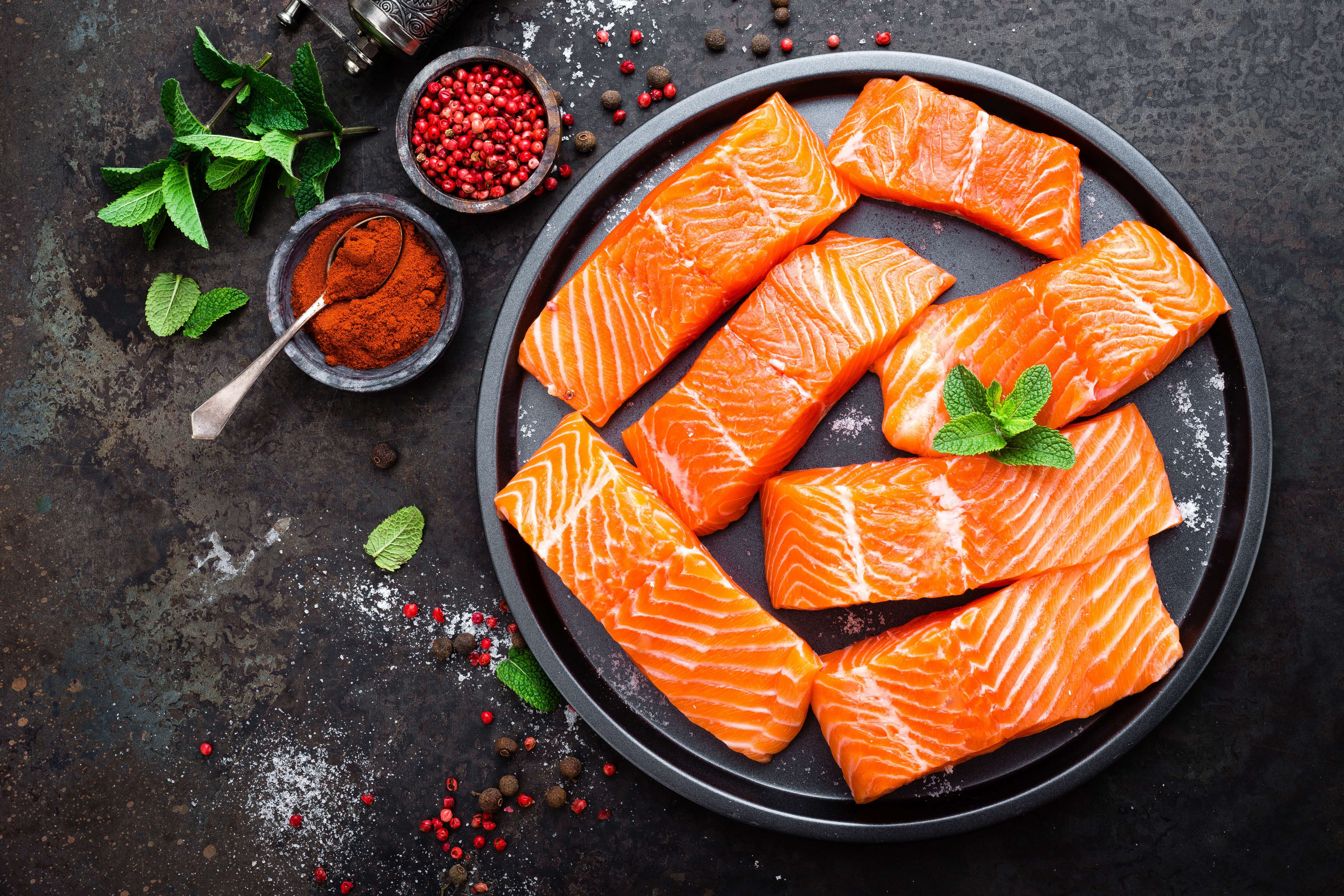 How much fat should you eat each day?
"According to the NHS, the daily reference intake for fat is less than 70g for the average adult on a 2000 calorie per day diet.
"This should come from a variety of sources and you should aim for unsaturated and polyunsaturated kinds in plants and fish, where possible."
How should you structure fat intake around training?
"Fat has the effect of slowing down digestion and contributes to satiety (feelings of fullness).
"Eating this directly before your workout is not ideal, since it will sit in your stomach, not great for a heavy squat session.
"If you do consume a meal containing fat before training, then it should be at least 2-3 hours beforehand in order to be adequately digested, and also to power your workout."
How much fat should you eat each day?
"According to the NHS, the daily reference intake for fat is less than 70g for the average adult on a 2000 calorie per day diet.
"This should come from a variety of sources and you should aim for unsaturated and polyunsaturated kinds in plants and fish, where possible."
How should you structure fat intake around training?
"Fat has the effect of slowing down digestion and contributes to satiety (feelings of fullness).
"Eating this directly before your workout is not ideal, since it will sit in your stomach, not great for a heavy squat session.
"If you do consume a meal containing fat before training, then it should be at least 2-3 hours beforehand in order to be adequately digested, and also to power your workout."
 The situation is quite similar post-workout.
"Your first post-workout meal should address the needs of your body; replenishing energy stores and kick-starting muscle recovery.
"This shouldn’t include fats as they would slow down the digestion of your meal and the overall recovery process. After your immediate post-workout nutrition, your next meal should contain around 30% of calories coming from fats for general recovery."
The situation is quite similar post-workout.
"Your first post-workout meal should address the needs of your body; replenishing energy stores and kick-starting muscle recovery.
"This shouldn’t include fats as they would slow down the digestion of your meal and the overall recovery process. After your immediate post-workout nutrition, your next meal should contain around 30% of calories coming from fats for general recovery."
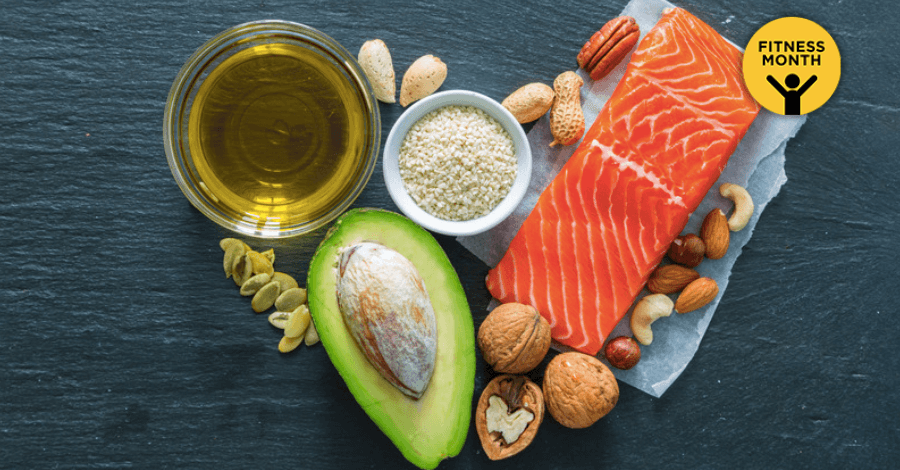
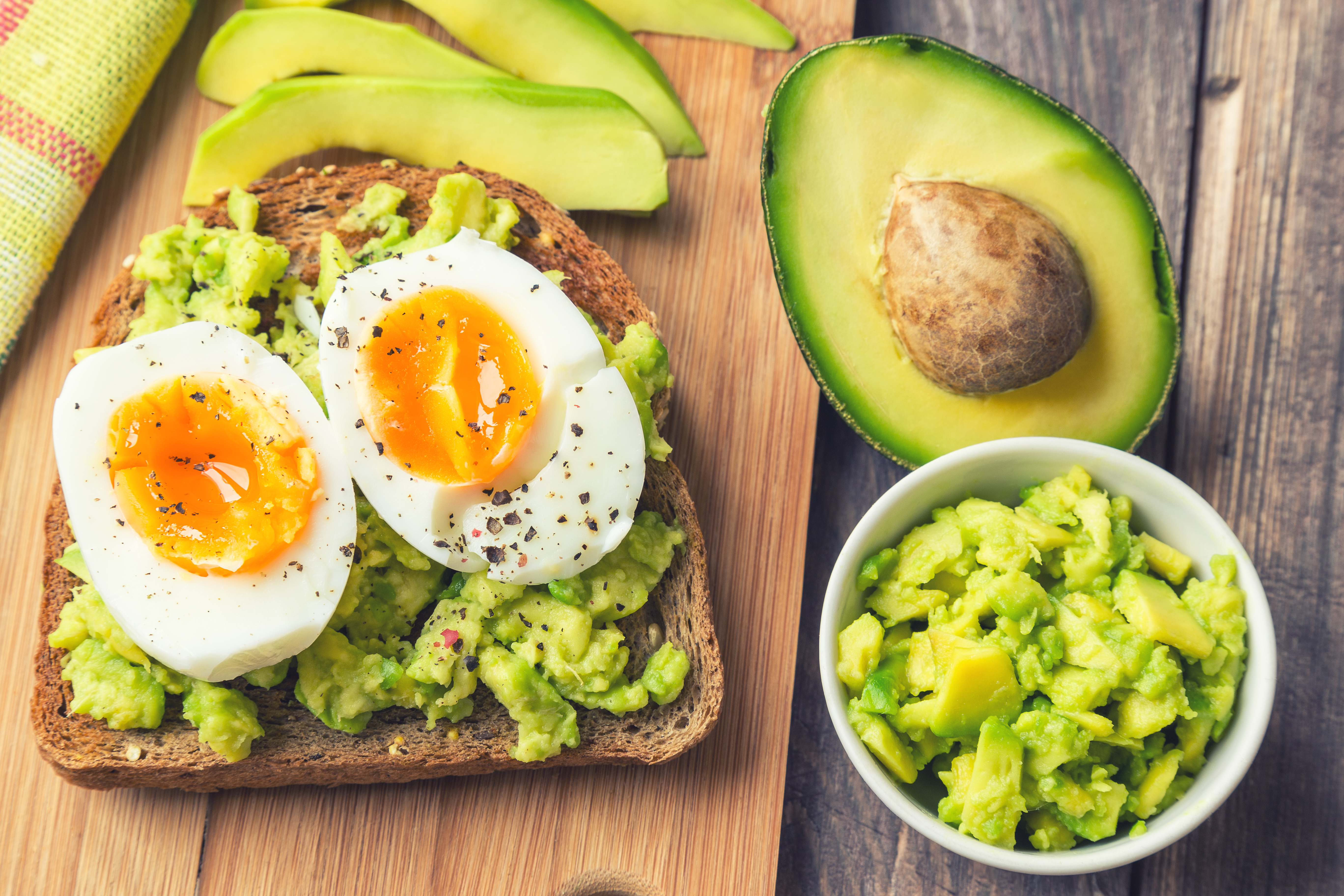 What specific foods are particularly good sources of fat?
"Since you need to focus on unsaturated and polyunsaturated fats, opt for oily fish such as mackerel & salmon, nuts such as walnut, macadamia or almonds, plus avocados and eggs.
"Many people, myself included, may find the taste of fish disagreeable and so prefer an omega-3 fish oil supplement in the form of a liquid or capsule.
"It is also found in other food sources such as kale. The NHS recommends we consume fish twice a week, with one serving being oily fish."
What specific foods are particularly good sources of fat?
"Since you need to focus on unsaturated and polyunsaturated fats, opt for oily fish such as mackerel & salmon, nuts such as walnut, macadamia or almonds, plus avocados and eggs.
"Many people, myself included, may find the taste of fish disagreeable and so prefer an omega-3 fish oil supplement in the form of a liquid or capsule.
"It is also found in other food sources such as kale. The NHS recommends we consume fish twice a week, with one serving being oily fish."
Explore more on these topics:

Fitness & Health
Fitness & Health

Fitness & Health
Fitness & Health
This is the perfect product to use if you suffer from stubborn body acne
If you’re finding it hard to get rid of body acne, then you need to try this Trying to find a product that’ll actually get rid of stubborn acne is never easy, but one has finally been launched that is about to make our lives a lot easier. Many of us are guilty of trying […]
Fitness & Health
4 months ago
Inside new ‘ballmaxxing’ trend where men inject scrotum to get bigger balls
Talk about appearance over comfort… A trend on the rise known as “ballmaxxing” is making men fill their testicles with litres of saline, to make them look bigger. Typically, a man’s testicles is the size of a plum or a small egg. But men now are inflating their scrotums to the size of grapefruits, an […]
Fitness & Health
4 months ago

Fitness & Health
Fitness & Health