








News

Share
Published 17:12 2 Mar 2021 GMT
Updated 18:21 2 Mar 2021 GMT

The WHO’s executive director of emergencies, Dr Michael Ryan, has described hopes of the pandemic ending this year as “premature,” and described the virus as “very much in control.”
Speaking in Geneva yesterday, Ryan stressed that suppressing transmission of the virus should be the key focus at present.
“If vaccines begin to impact not only on death and not only on hospitalisation, but have a significant impact on transmission dynamics and transmission risk, then I believe we will accelerate towards controlling this pandemic,” said Ryan.
Although he did offer some hope, if people are “smart.”
“If we are smart, we can finish with hospitalisations and deaths and the tragedy associated with the pandemic [by the end of the year],” he said.
[caption id="attachment_265237" align="aligncenter" width="2048"]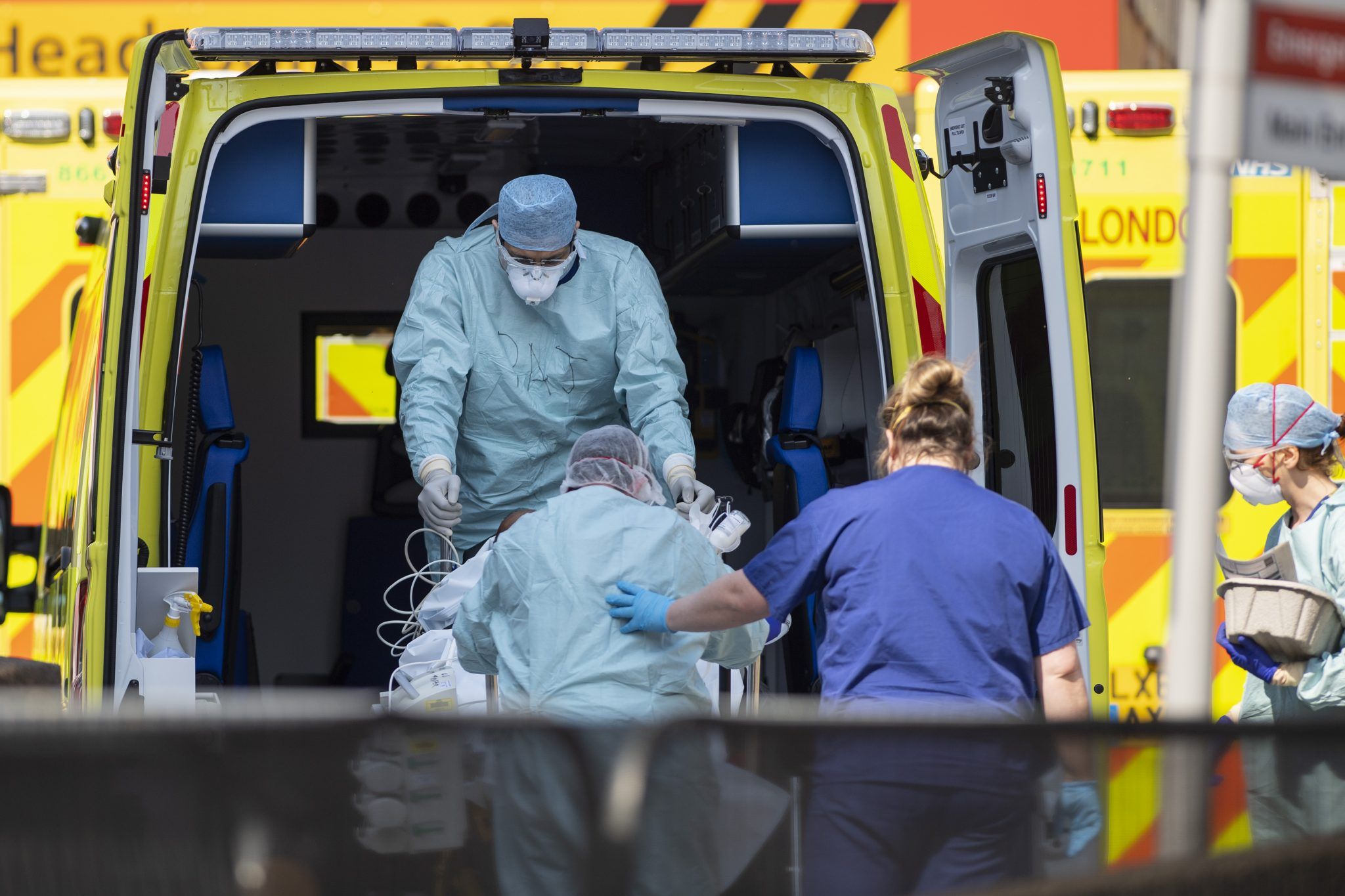 The WHO has emphasised that reducing transmission should be countries' key focus (Credit: Justin Setterfield)[/caption]
Ryan also expressed his disappointment that richer countries are vaccinating younger adults before health workers and more vulnerable people in other countries.
Director General of the WHO, Dr Tedros Adhanom Ghebreyesus, echoed Ryan’s concerns about vaccine inequality.
“It’s regrettable that some countries continue to prioritise vaccinating younger, healthier adults at lower risk of disease in their own populations ahead of health workers and older people elsewhere,” he said.
“Countries are not in a race with each other, this is a common race against the virus.
“We’re not asking countries to put their own people at risk - we’re asking countries to be part of a global effort to suppress the virus everywhere.”
Vaccine inequality among between richer and poorer nations is a growing concern.
[caption id="attachment_265231" align="alignnone" width="2048"]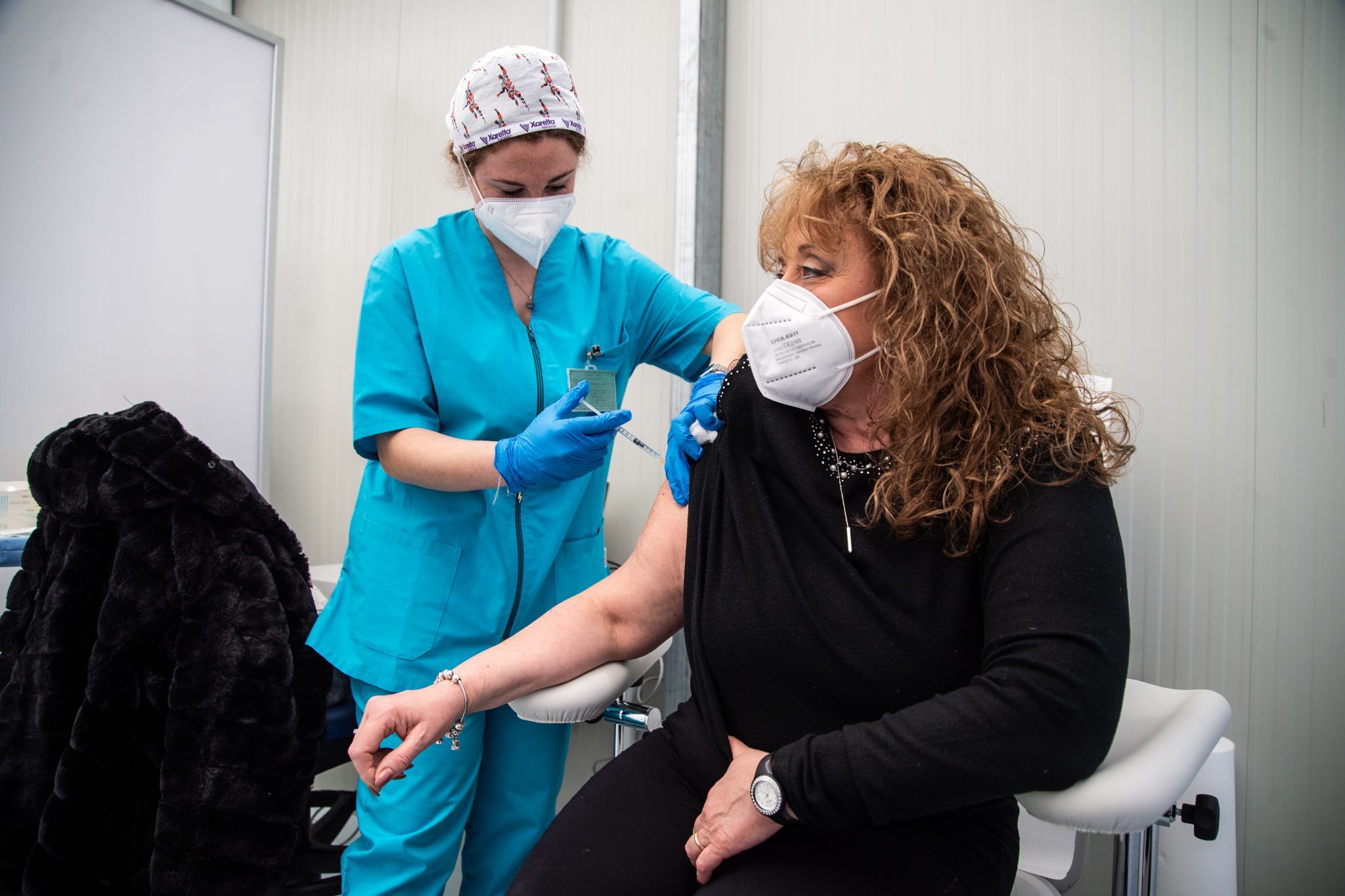 Wealthier nations should prioritise vaccinating the more vulnerable elsewhere than their own younger, healthier populations, the WHO said (Credit: Ivan Romano)[/caption]
Data from The Economist Intelligence Unit predicts that vaccine coverage in developing countries will not be widespread until early 2023, with the wealthiest countries achieving widespread coverage by late 2021.
And the effect on mortality is not the only cause for concern.
The Lancet medical journal have said “billions of individuals around the world might not have access to Covid-19 vaccines in 2021, which could prolong the pandemic and raise the risk of further mutations of the virus emerging, possibly undermining the efficacy of existing vaccines.”
Explore more on these topics:

News

News

News

News
Loch Lomond crash: boy, 16, and man, 80, killed in light aircraft crash near Drymen
Major incident declared after fatal plane crash Two people have died following a light aircraft crash in Stirlingshire, prompting a major emergency response and an investigation into the circumstances surrounding the incident. The victims were a 16-year-old boy and an 80-year-old man, who were both found dead after the aircraft came down near Drymen on […]
News
15h
White House press secretary Katie Zacharia fired after five days in position
It comes after Trump said she should ‘reconsider’ her job White House press secretary Katie Zacharia has been fired after five days in the position, as per reports. Zacharia had a tough start to life in the role, hosting a briefing on Tuesday which caused a lot of criticism and raised a number of questions. […]
News
1 day ago
19 people injured after Channel Tunnel collision between bus and train
News