





Sport

Share
Published 14:14 10 Sept 2026 BST
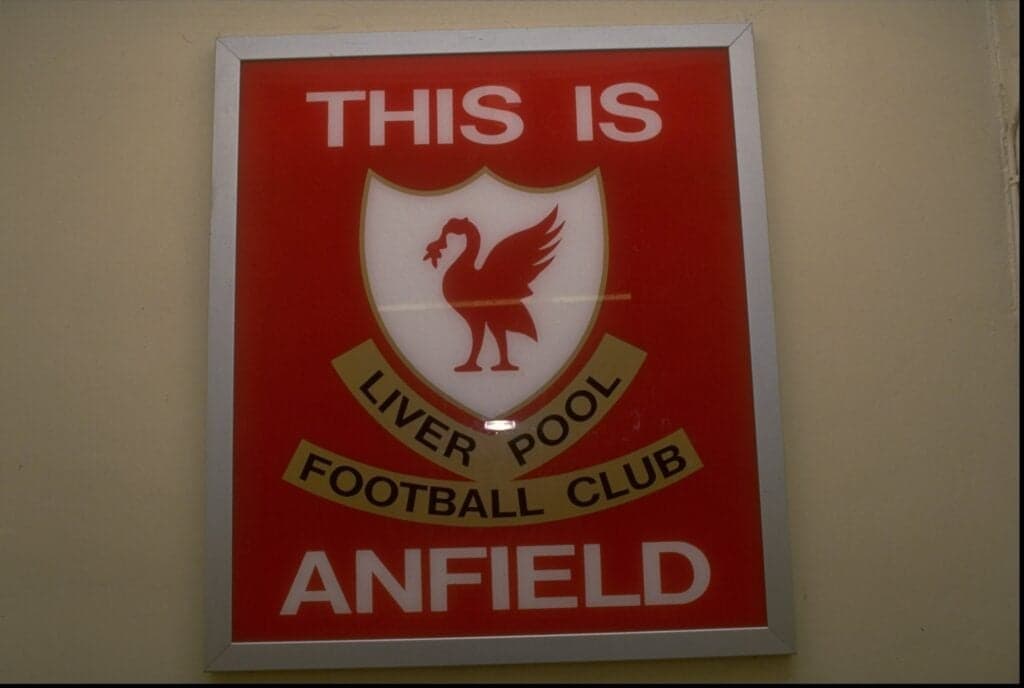
What was once a familiar sight for Liverpool players before they stepped onto the pitch has now become one of the most expensive pieces of stadium memorabilia ever sold in Britain.
The famous “This Is Anfield” sign has changed hands for £115,000, despite Budds initially expecting it to fetch just £15,000. Once commission and VAT were added, the buyer paid £149,500 in total.
Budds described the final figure as a record for an interior sign from any UK sports stadium, showing just how much interest the piece attracted when it went up for auction.
Its appeal comes from the history attached to those three words. The sign stood in Liverpool’s stadium tunnel and became closely linked with the club’s players and the rituals surrounding matchdays.
For David Convery, Budds’ head of sporting memorabilia, that history made the item particularly unusual.
He explained that sporting memorabilia naturally carries a connection to the athletes and moments associated with it, but the Anfield sign had an extra layer because of the superstition surrounding it.
Convery said the combination had “made for a very memorable auction”, with the sign ultimately selling for almost eight times its original estimate.
Long before it became one of Liverpool’s most recognisable matchday traditions, the “This Is Anfield” sign was deliberately designed to make players and opponents feel the weight of stepping into the stadium.
Bill Shankly was behind the famous wording, choosing it in 1972 after dismissing “Welcome To Anfield” as far too friendly.
The legendary Liverpool manager wanted his own players to be reminded of the badge they were playing for, while the message was also intended to unsettle visiting teams before they emerged onto the pitch.
Over the years, the sign became part of Liverpool’s pre-match routine, with players traditionally reaching up to touch it as they walk through the tunnel.
But the original sign eventually disappeared from Anfield. After being removed during the 1970s, it found its way to Ronald Wilson, a former member of Liverpool’s boys' team.
Budds says the piece was given to Wilson by Roy Evans, who would later manage the club between 1994 and 1998.
Wilson’s family gave the historic item a rather unexpected second life, displaying it at their Rutland Hotel in Douglas on the Isle of Man for more than two decades. It remained there from 1979 until 2000 before being handed down to Wilson’s children.
The sign eventually ended up in his son’s office, where it stayed until his retirement at the beginning of 2026.
Who now owns the famous piece of Liverpool history is still unknown.
Explore more on these topics:

Sport
Sport
Sport
Sport
Pakistan were bowled out for 133 and England still found time to take the lead
England’s bowlers tear through Pakistan’s batting order England ended the first day of the third Test against Pakistan in a strong position after the visitors were bowled out for only 133 at Edgbaston. Pakistan made several changes after losing the first two matches of the series, but the new line-up struggled immediately. Saim Ayub was […]
Sport
just now
Mac Allister answered the contract question with his left foot
Mac Allister had Liverpool fans right behind him There was no better way for Alexis Mac Allister to put the attention back on his football. Only a day after admitting that Liverpool’s decision over his contract had left him “very, very sad”, the midfielder stepped up in the Champions League and produced the goal that […]
Sport
just now

Sport
Full list of Ballon d’Or nominees announced as three English players named
Sport