




Sport

Share
Published 15:54 30 Aug 2016 BST

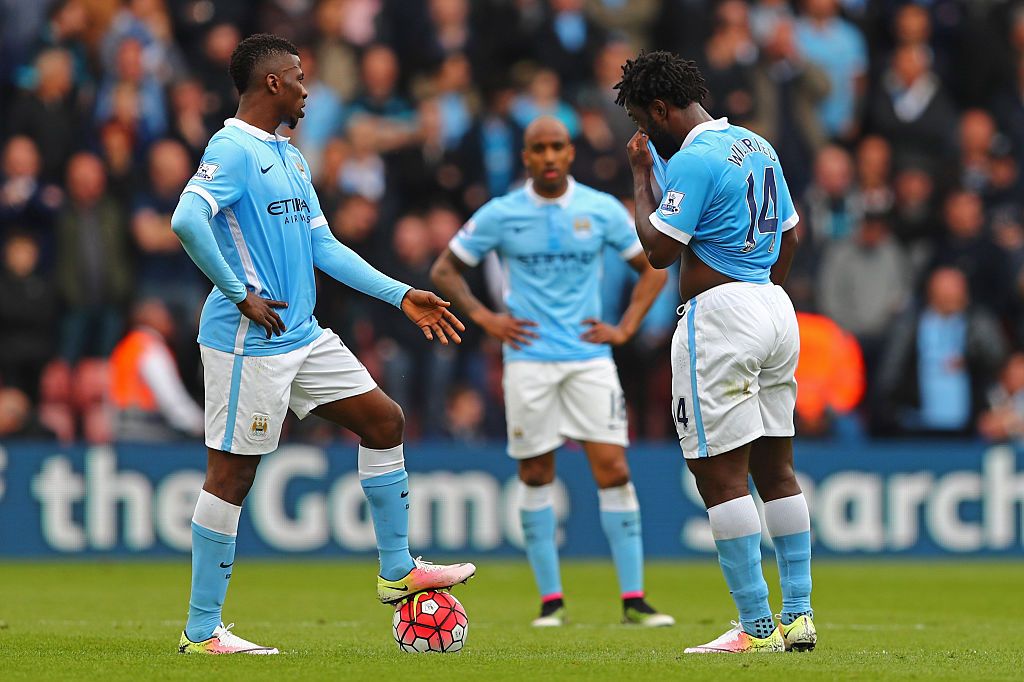
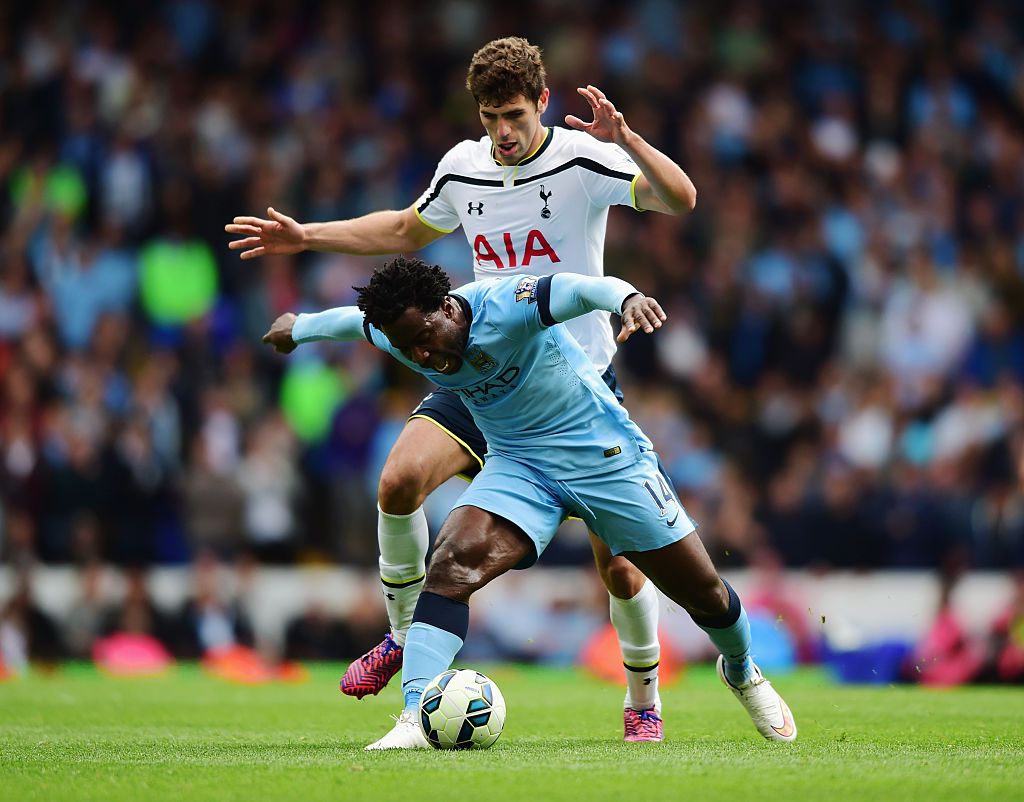

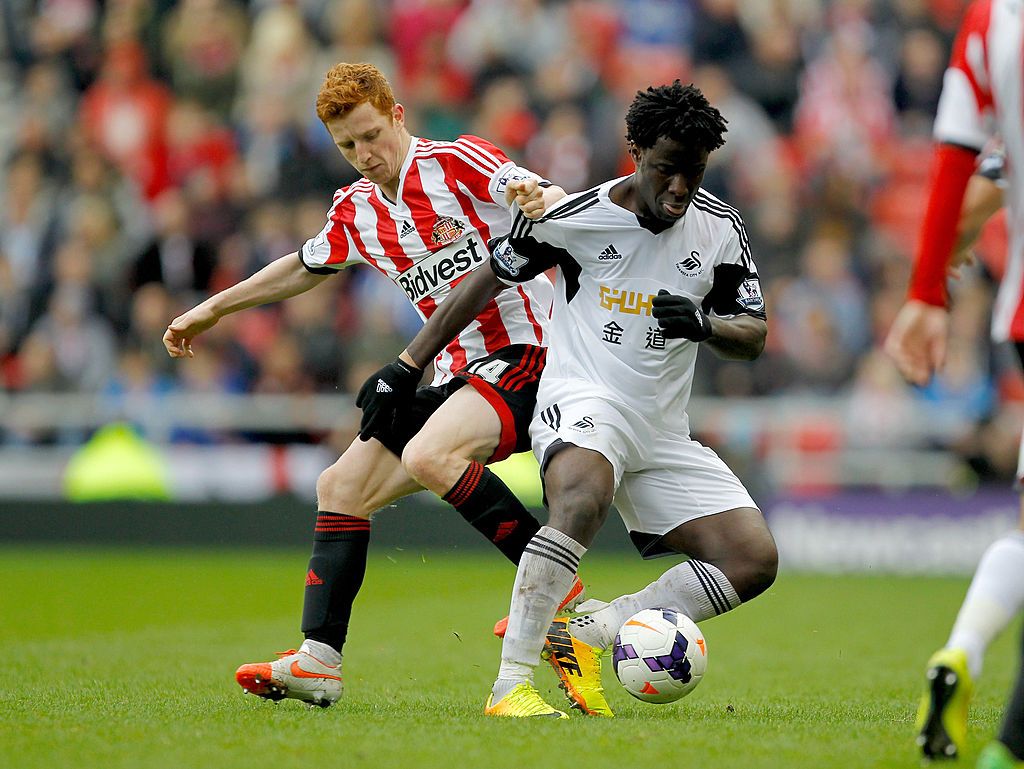
He pointed at the sun. Still, we couldn’t work it out. 'If it’s a sunny day, like today, I can use the defender’s shadow to see which side he’s going to attack me from and stick my arse out to protect the ball and roll away on the other side.' At the time, this blew my mind, showing how intricate his thinking must have been in moments of great pressure.'Preece's story, (as well belonging to an incredibly handsome man you should follow on Twitter) is a testament to the on-field intelligence necessary allowed him to become one the world’s best forwards. It also mentions butts, which is why we’re writing this feature.
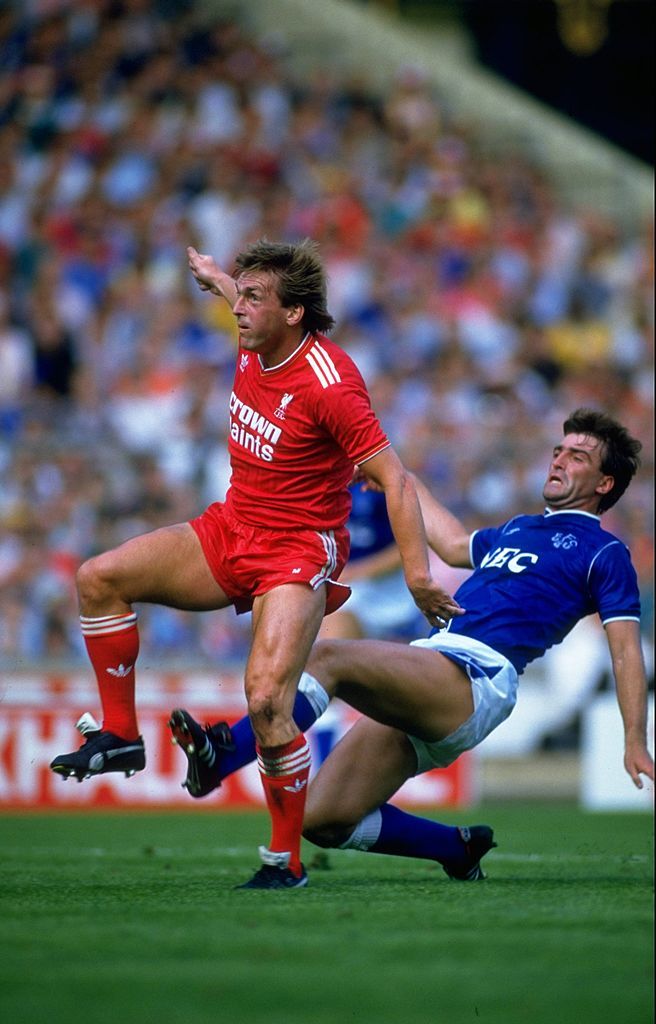
But what is it about a player’s posterior that can help them during attacking period of play? To investigate further, we’ll have to take a brief detour into the world of basketball.the fact that there is a hashtag dedicated to Griezmann's arse - #lesfessesdeGriezmann - is making me feel oddly patriotic
— Marie Le Conte (@youngvulgarian) July 3, 2016
15. Moses Malone -1983 Finals MVP -3x MVP -12x All Star -8x All NBA -2x All Defensive Team pic.twitter.com/chZIVC6agV — Hooper's Heaven (@HoopingHeaven) June 7, 2016Moses’ signature was his rebound work. In and around the rim there was no one better, no one sneakier, no one dominated the paint with the same ferocity as him. Moses Malone didn’t so much crash the boards, he annihilated them. There was no one, no one better at getting rebounds than Malone in the paint. Not even Kareem Abdul Jabbar came close. But, as a number basketball fans would point out, while Moses had quick feet, there wasn’t that much that should have made him stand out as a remarkable attacking player. He had short arms, wasn’t a good passer and couldn’t shoot from particularly far out. He could jump repeatedly over-and-over but didn't boast a particularly high shot. What he did have though, was a massive arse. Noted basketball writer Bill Simmons explained it in his book "The Big Book of Basketball" (a book a highly recommend to all sports fans and writers, even those with no interest in basketball).
"He lurked along the bassline on either side of the basket, biding his time, letting everyone else get position for a rebound.. And then when he felt like a shot was coming up, he’d sly sneak under the backboard, start backing up, slam his butt into his opponent to create the foot of space he needed, then jump right to where the rebound was headed." "There was no way to stop it. Again, you could position under the basket and he’d still get the rebound."Moses Malone is a Top 10 all time player in NBA rebounds, and many a fan of his teams would point out his ass attack went a long way in racking up those numbers. In football, much like basketball, the players who profit closest to goal are those who combine precision thinking with expert manipulation of space. Stop for a moment and think about getting the ball from someone who has just jabbed their buttocks into you. With someone able to generate power from their legs, a butt jab is someone directing a remarkable amount of power at you, using the biggest muscle in their body to do so. Even if you stand firm, you will give up a half inch of space, giving the person doing it an instant headstart over you when it comes to getting the ball. As an added advantage, the buttocks is a sneak attack. It’s hard to dodge, and even harder for referees to see. If a player successfully pulls off the butt jab, they do it with their back or side facing you, which means when you try to tackle back you end up with something like this:
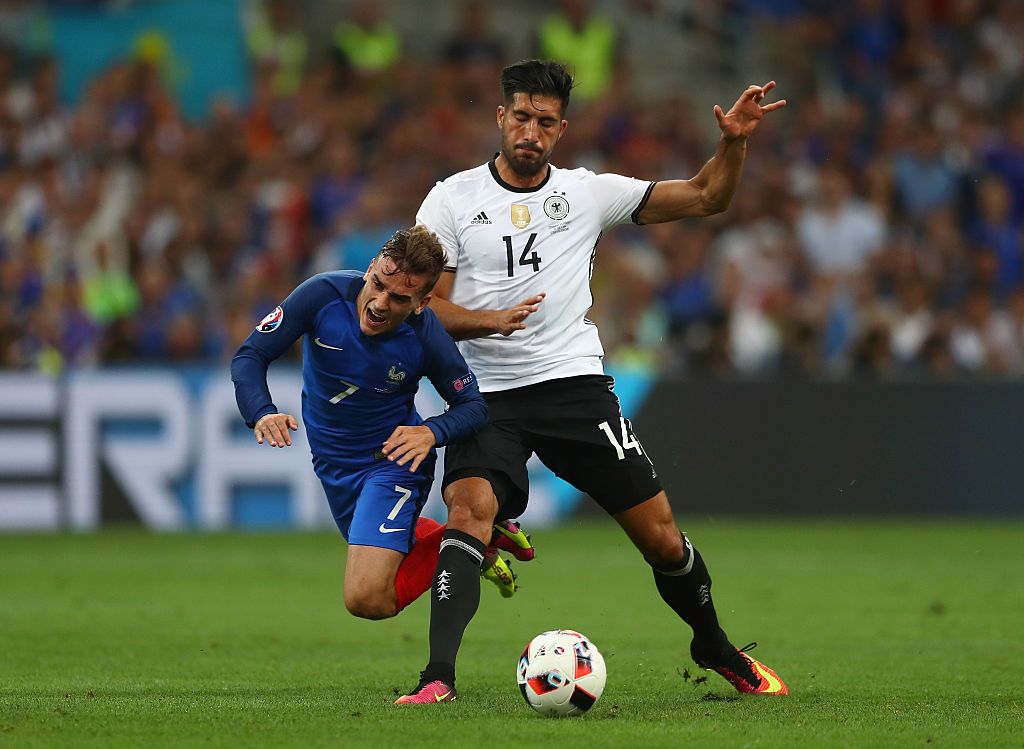
The hip muscles or gluteals form the largest part of your extensor chain. This is an interconnecting chain of muscles that run down your back, through your glutes, hamstrings and eventually calf. The extensor chain drives the hips backwards, and it is this explosive action that gives footballers, especially strikers, their speed. Having well conditioned gluteal muscles gives the faster players on the pitch that extra half yard that is needed to ride a tackle(!) or reach the ball.As Ben explains it, a well conditioned butt could not only be a helpful tool bossing the penalty box, but could also be be helpful for quicker players who are prone to hamstring injuries.
Injuries to the hamstrings and knees are two of the most common in footballers. Making sure that the Gguteals fire first, prevents the hamstrings from overloading. The gluteals also help orientate the position and alignment of the hip. If the external rotators are too tight, then the leg turns out (think like a ballet dancer) and if the internal rotators are too tight then the leg turns in (pigeon toed). The balancing act of these gluteals helps orientate the knee and makes sure it points in the right direction.Very crudely; if Daniel Sturridge wants to play more time playing football, he would do well to do a few extra squats in the gym. Putting this all together, and one may wonder if this is feeding into football scouting and coaching. Well as Fulham Academy scout and former Arsenal and Fulham community coach CJ Ramson explains, the knowledge is there… sort of.
If you watch the players who use this more often than others (Wilfried Bony, Eden Hazard etc.) it's not a coincidence that they're using their butt to hold off defenders. So they have either been coached or coached themselves. Smaller players with a lower centre of gravity will naturally be more agile on the ball and find it easier to turn quickly. Where the butt comes into play is riding tackles. Eden Hazard, especially in the 14/15 season, is a great example of this. He could accelerate away from defenders and use his butt to shield himself from challenges while dribbling at speed and keeping his balance. It is definitely something that can be coached to those with a 'natural gift' and it could be something that is already being coached across Europe.So, are football scouts making a move for the more... ahem... big boned players at youth level to feed the need for strikers at the top level? Again, not quite. YET.
Personally, this is something that I have never come across. Considering; height, weight, height of parents, school marks and a whole other range of things come into play when scouting a player it's surprising no club (to my knowledge) has ever picked up on it. It could be something Chief Scouts look for at first team level but even that would surprise. I can certainly see it being a factor in the near future.
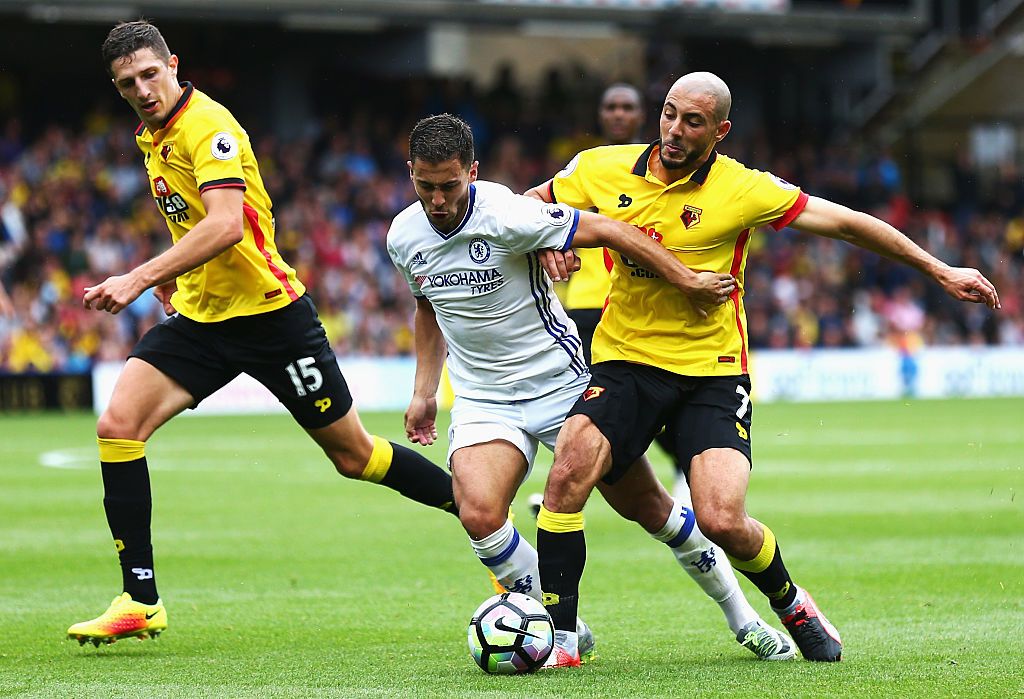
Most importantly, squat! Without the gluteal muscles there is no advantage to be had. For an attacking player especially.We'll see you back out on the pitch, look out for those sly jabs in future. Read more...
Explore more on these topics:
Sport

Sport
Sport
Sport
Emile Heskey reveals who his dream ‘super vets signing’ would be following Usain Bolt arrival
A man can dream… Former England and Liverpool striker Emile Heskey has revealed who his dream Wythenshawe Vets signing would be. In a brilliant career from 1994 to 2016, Heskey scored over 100 league goals, whilst being capped for England 62 times. Starting off at Leicester City, he then played for the likes of Liverpool, […]
Sport
1 day ago
Chelsea first-team star banished from dressing room ahead of Carabao Cup clash
Gaffer Xabi Alonso confirmed the decision ahead of the upcoming clash v Leeds United. Xabi Alonso has banished a player from first-team duties ahead of Chelsea’s Carabao Cup clash against Leeds United. Alonso has started life at the Bridge well, defeating Fulham and Brighton in the opening clashes. He came close to a result at […]
Sport
1 day ago
LIVE: The Champions League returns, follow every viral moment here!
Sport