






Football

Share
Published 14:31 7 Aug 2025 BST
Updated 14:55 7 Aug 2025 BST
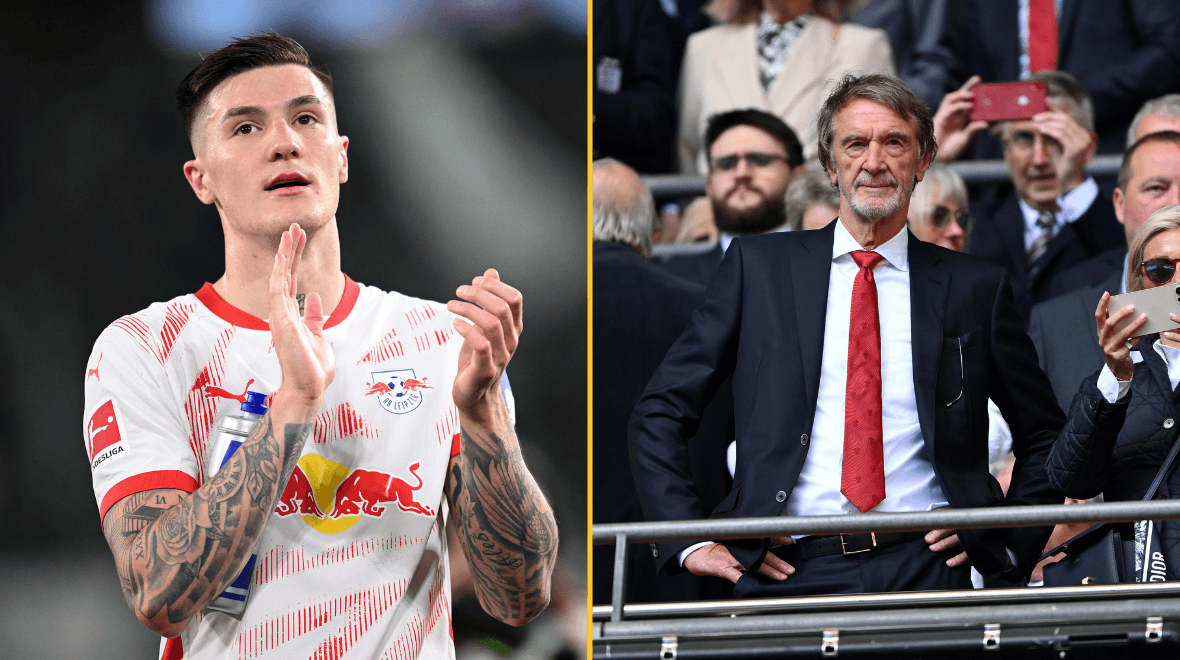
Manchester United are on the verge of securing a deal to sign RB Leipzig’s highly-rated centre-forward Benjamin Sesko, despite making more than 400 staff members redundant last year.
The £74 million offer for Sesko is only the latest move in a summer that has seen United spend more than £120 million on Matheus Cunha and Bryan Mbeumo.
This is all on the back of one of the worst domestic campaigns the club have endured this century, as they finished 15th in the Premier League.
They have also so far failed to sanction any sales of first-team players.
In March, the club’s co-owner Jim Ratcliffe justified the move to make major redundancies — as well as another decision to cut free lunches for staff members— by saying that unless drastic action was taken, the club would have faced closure by Christmas.
So, how are the Red Devils now in a position to spend hundreds of millions on new players? The truth is a lot simpler than expected.
According to a football finance expert, United have been able to move so freely in the market for two reasons.
Their financial difficulties were slightly exaggerated, and the club have made use of some clever financial accounting with their new signings.
Much like the reason why Sesko chose to sign for the Red Devils over fellow suitors Newcastle, it all boils down to the fact that no matter how bad their performances on the pitch, United are too big a football institution to fail.
Kieran Maguire told BBC Sport: “If Manchester United sneeze, football catches a cold.
“It is the biggest brand in English football. The redundancies do look severe, but that is the Ineos business model, they have done that at other companies. Whether it will work in football, we have to wait and see.
"Some of the scare stories put about a few months ago were perhaps a bit overblown.
"Man Utd is not as successful as a business as they would like to be, but they are still successful. For example their wage bill is around half of their income, which is very good by Premier League standards.”
The deal to sign Matheus Cunha was finalised before the club’s June 30 year-end, meaning his £71.3m transfer fee fell into the previous year’s accounts.
Then, despite not making any official sales this summer, United have brought in revenue elsewhere.
Barcelona are paying all of Marcus Rashford’s hefty £350,000 a week wages during his year-long loan move to the Catalan side.
United also received reward money (£5.90m) for reaching the Europa League final, made £5 million after Chelsea broke a clause in their agreement to sign Jason Sancho, and brought in £15 million via sell-clauses from deals that involved ex-players Anthony Elanga, Alvaro Carreras and Maxi Oyedele.
It is also likely that no matter how bad the situation becomes at Old Trafford, according to Ratcliffe, the new Ineos ownership will always prioritise investing in transfer fees.
He has said: “What we want to do is invest in the best players in the world if we can, rather than spend it on, I'm afraid, free lunches."
While the club are now in a decent position, they still made a loss of £131 million in the 2023/24 financial year, meaning they would have to make significant sales if they what to spend more after the Sesko deal is finalised.
Explore more on these topics:

Football
Football
Football
Football
The Premier League GW5: Follow all of the action in our viral moments hub
From Friday Night Football to Super Sunday, feast your eyes on the action! Premier League football returns this evening as Brentford host Chelsea in a West London derby. On Saturday, Spurs host Aston Villa in the early kick-off as they seek their first goal of the season. At 3pm, the high-flying Brighton host Arsenal, whilst […]
Football
2 days ago
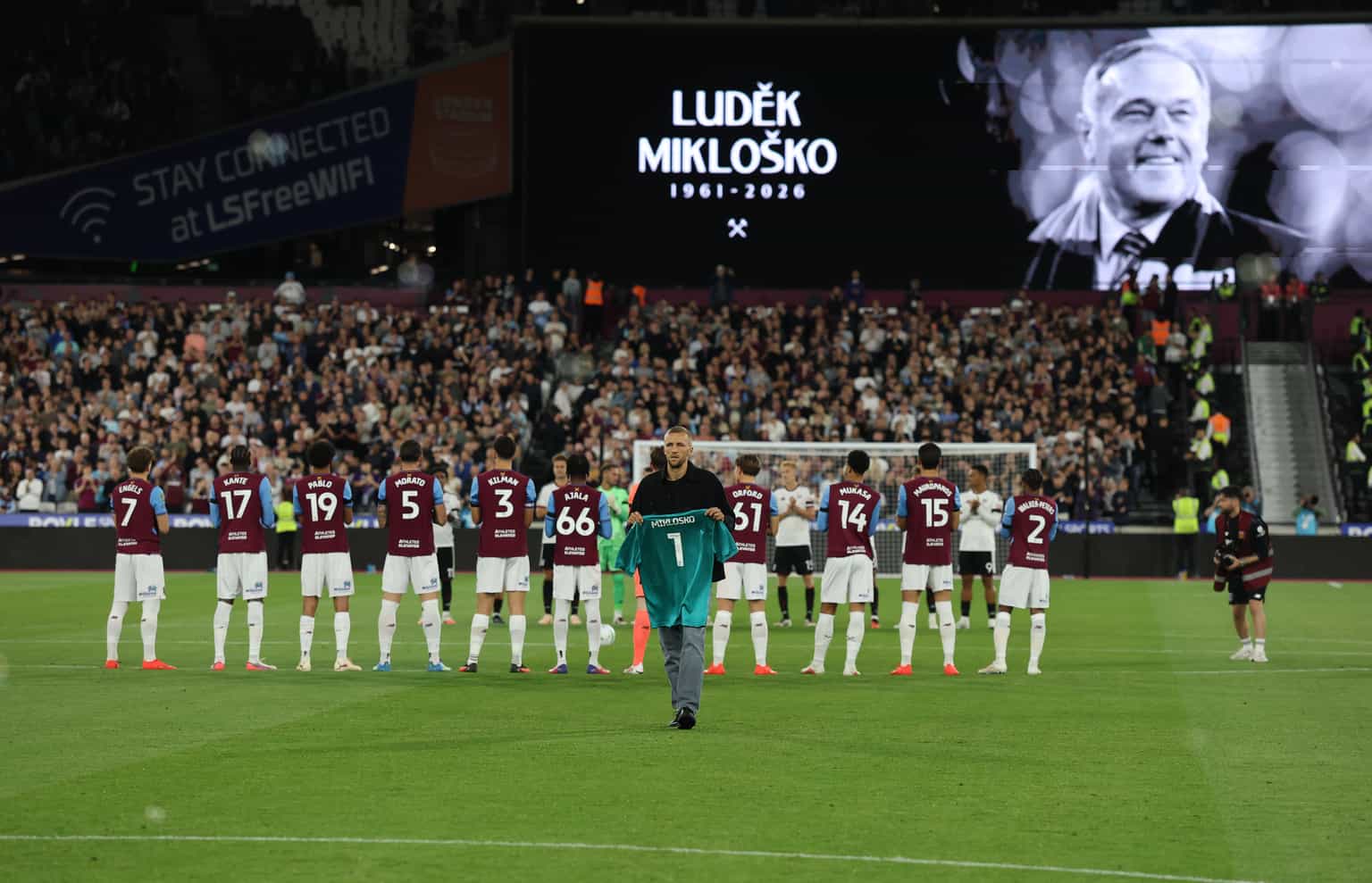
Former West Ham star backs Millwall fans to be respectful after death of cult hero Ludek Miklosko
Former West Ham attacker Matthew Jarvis has backed Millwall fans to be respectful when it counts this weekend following the loss of fan-favourite Ludek Miklosko. Legendary goalkeeper Miklosko made more than 300 appearances for West Ham in the 1990s but sadly lost his battle against cancer earlier this week. West Ham face a tricky trip […]
Football
2 days ago
Saudi club given stadium ban over Jota chants aimed at Ruben Neves
Football