








Football

Share
Published 11:46 16 Jul 2025 BST
Updated 14:51 24 Jul 2025 BST
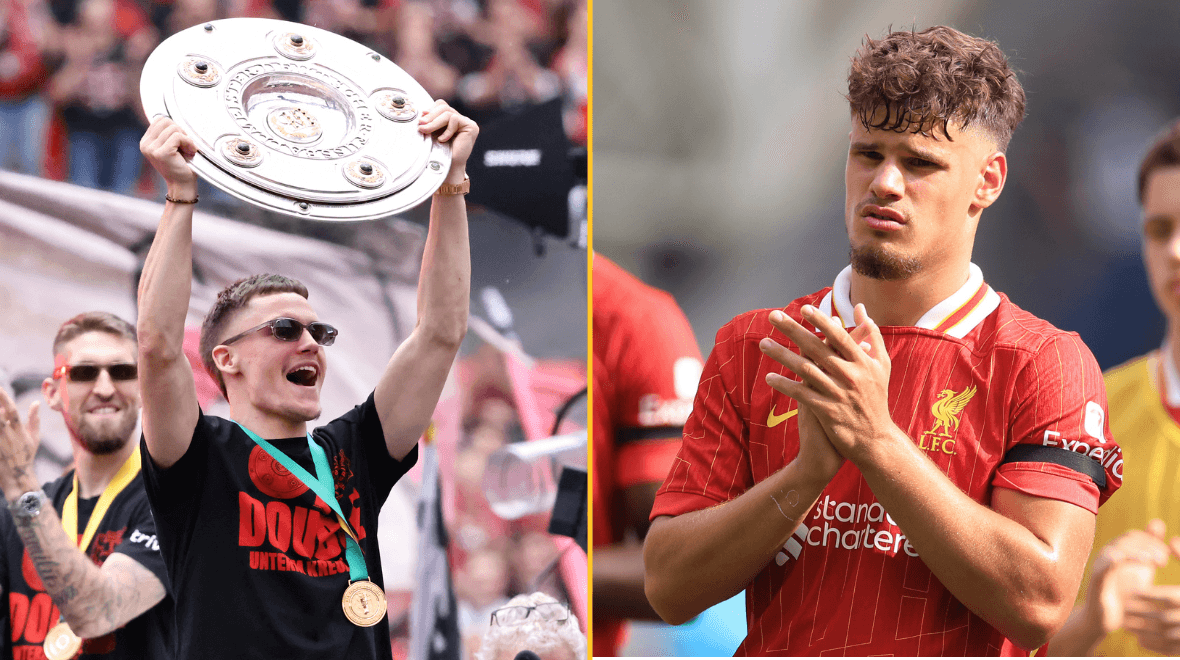
There can be no doubt that Liverpool are winning this year’s summer transfer window.
They’ve already splashed out close to £200 million on a host of exciting first team stars, including more than £110 million on German attacking midfielder Florian Wirtz and another £40 million on Bournemouth’s Milos Kerkez in defence.
Considering their free-spending approach, most fans were surprised to learn of their interest in Newcastle United’s Alexander Isak.
Long gone are the days where a team with money can simply buy up the best players in the league without consequences — as Manchester City did when Sheikh Mansour bought the club in 2008 — because there are now strict spending rules in place.
According to the league’s Profit and Sustainability Rules (PSR), Premier League sides are only allowed to make an overall loss of £105 million at the very most over a three year period, so they need to have brought in at least more than that to stay in the clear.
PSR regulations are nothing to be trifled with, after all Everton received a 10-point deduction for breaching spending rules last season.
With Alexander Isak valued around £120 million, The Reds' spending would rise to nearly £350 million, seemingly putting them in trouble.
Even with Darwin Nunez linked to move away from Anfield to Napoli, the champions don’t seem anywhere close to bringing in the kind of total that would clear the way for further heavy spending.
So how are they able to spend so freely?
The answer is simple, they’ve been financially healthy for all of the last three years.
According to football finance expert Swiss Ramble, the past three seasons actually pace the Reds in a PSR positive position. They’re up by £48 million overall, which rises to £153 when combined with the £105 million headroom they’re allowed.
This is before we consider this year’s profit, which is expected to be at least another £50 million.
That places Liverpool’s PSR buffer at more than £200 million, keeping them well in the clear for the signings they’ve already made.
We haven’t even taken into account the sales they’re likely to make, there’s £18 million on Kelleher then there’s £30 million of pure profit from the sale of Jarell Quansah.
When we break down the financial gains brought about by sales we need to separate them between amortisation and pure profit.
When clubs usually make a sale, the transfer gains are separated over the length of the player’s contract.
For example a £60 million deal over a six-year contract would bring in £10 million every year.
This is called amortisation.
However when clubs sell a home-grown academy talent they can bank all of that transfer fee immediately.
So the Quansah deal adds £30 million to Liverpool’s PSR buffer.
When combined with the sales from other players and the expected money for Nunez, Liverpool have more than enough breathing space to bring in Isak.
All that’s left is to agree a deal with Newcastle!

Football

Football
Football

Football
The Premier League GW5: Follow all of the action in our viral moments hub
From Friday Night Football to Super Sunday, feast your eyes on the action! Premier League football returns this evening as Brentford host Chelsea in a West London derby. On Saturday, Spurs host Aston Villa in the early kick-off as they seek their first goal of the season. At 3pm, the high-flying Brighton host Arsenal, whilst […]
Football
2 days ago
Former West Ham star backs Millwall fans to be respectful after death of cult hero Ludek Miklosko
Former West Ham attacker Matthew Jarvis has backed Millwall fans to be respectful when it counts this weekend following the loss of fan-favourite Ludek Miklosko. Legendary goalkeeper Miklosko made more than 300 appearances for West Ham in the 1990s but sadly lost his battle against cancer earlier this week. West Ham face a tricky trip […]
Football
2 days ago
Saudi club given stadium ban over Jota chants aimed at Ruben Neves
Football