





Sport

Share
Published 14:46 30 Jul 2025 BST
Updated 15:23 30 Jul 2025 BST
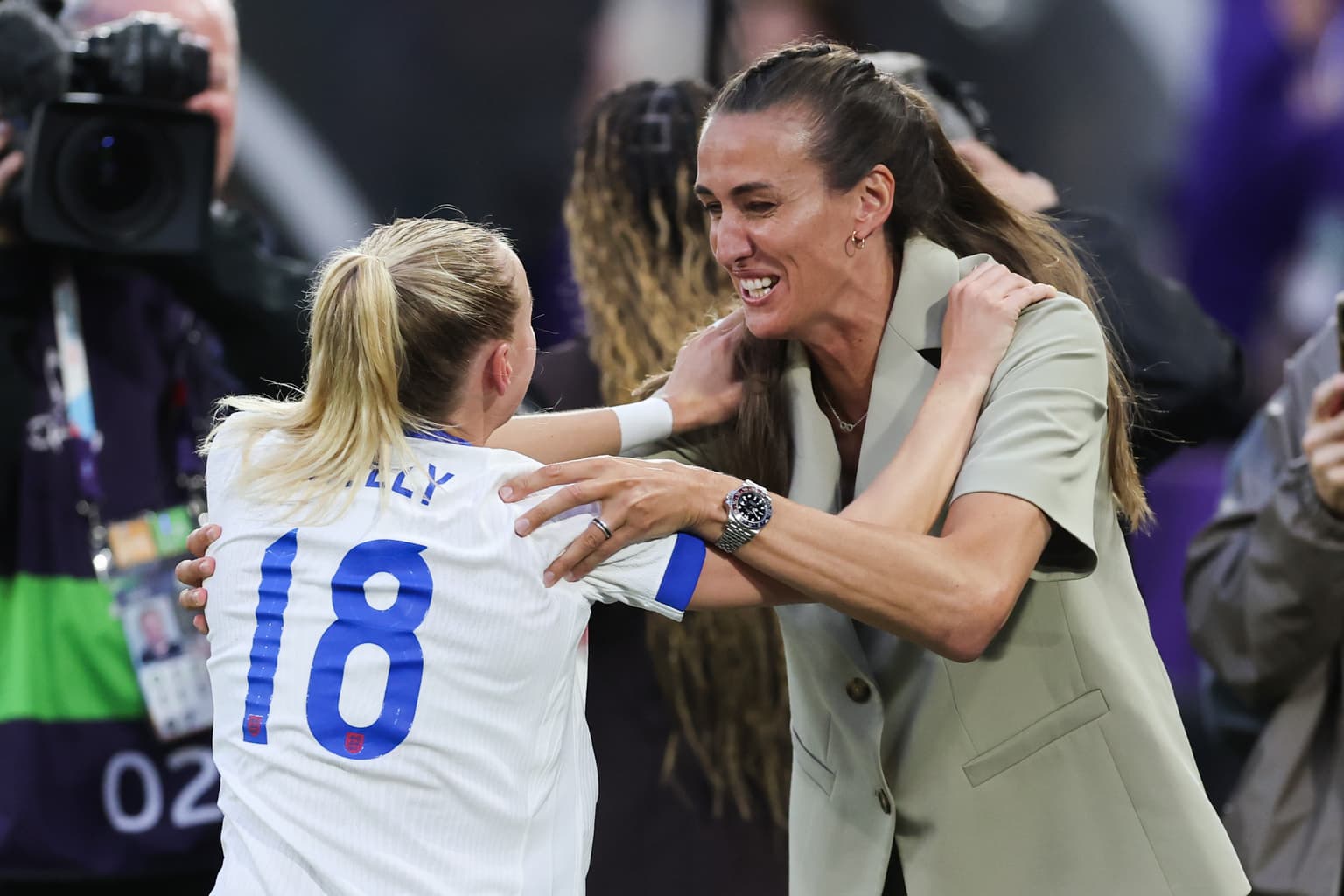
It’s a lovely day in Basel, the sun is beaming, and the buzz around town isn’t just for the chocolate and cheese. I’m sat with footballing royalty, in Jill Scott, sipping a Heineken on the banks of the Rhine, as she reflects on what the women’s game has become.
“It’s night and day, honestly,” Scott says with a grin, reflecting on her early career with Sunderland and Everton. “We used to play in front of maybe 200 people. Now it's 30,000, 40,000, sold-out stadiums. 300,000 tickets already sold for this tournament. That’s incredible.”
Scott’s not wrong. With record-breaking audiences tuning in across the last few tournaments, women’s football isn’t “on the rise” anymore, it’s here, it’s mainstream and it’s independently brilliant from the men’s game.
And behind the growing crowds is a fanbase unlike anything else in sport. “I feel like women’s football fans have their own humour, their own culture, and it’s different,” Scott says. “It’s more inclusive. I’ve always felt that, whether there were 200 people watching or 90,000 at Wembley.”
Scott credits that inclusive energy as a key reason why the game is thriving, particularly in England, where Lionesses fans have built a community that is both fiercely loyal and refreshingly open. “They’ll stop you in the street now and not just say, ‘Good luck,’ but give you tactical advice,” she laughs. “They know your backstory. They know your position. Some even know your stats. It’s gone from polite interest to proper football knowledge. That shows how invested they are.”
It’s this “fan-first” spirit that Heineken is backing hard as an official sponsor of UEFA Women’s EURO 2025. And Scott, who’s worked with the brand through campaigns like Social Swap (where she and Gary Neville swapped social media accounts to highlight sexism in football), sees their role as more than just a logo on a backdrop. “Heineken’s not just sponsoring,” she says. “They’re in the conversation. When Gary took over my Twitter, people were messaging him saying, ‘Get back in the kitchen.’ He was like — what? That kind of exposure really highlights the crap we’ve had to deal with. But also how far we’ve come.”
Scott speaks with visible joy about fans she met here in Basel, especially the Welsh supporters who travelled to watch Jess Fishlock score an iconic goal for her country. “You could see how much it meant to them,” she says. “Little kids absolutely buzzing. Whether it’s a scrappy goal or a worldie, those moments stay with them for life.”
For Scott, that connection between fan and player is what sets the women’s game apart. There’s less distance. Less ego. And in her eyes, more purpose. “You look at these kids now, young girls and young boys, and they’re dreaming of representing their country in the Euros. That dream feels real to them now. Because they’ve seen it happen.”
For those who still think women’s football is a ‘nice extra’ or a ‘side tournament,’ Jill Scott has news; “It’s not just a nice story anymore, it is football. Full stop.”
She’s not just talking about attendances or visibility, though both have skyrocketed. She’s talking about a shift in identity. Where female players are now part of the footballing mainstream, getting transfer headlines, earning proper wages, and being treated like professionals.
“I remember deadline day and seeing women’s football all over Sky Sports News,” she says. “That never used to happen. Now, we’ve got Olivia Smith becoming a million-pound footballer. We’re going to see five million next. Ten.”
For all the growth, Scott knows there’s still work to do - on and off the pitch. “Yes, we’re in a good place. But it’s not job done,” she says. “There are still barriers, still issues around funding, media coverage, access at grassroots level. But the good thing is, fans and players are more vocal now. Brands like Heineken are amplifying that, not just cashing in.”
Asked what excites her most about the next decade of women’s football, she doesn’t hesitate. “I want to see even more kids, girls and boys, dreaming of playing in a Women’s Euros. Because they’ve seen it. They’ve felt it. If we keep building, keep including, keep believing - who knows where it ends up?”
Sport
Sport
Sport
Sport
The Premier League on Sunday: Follow all of the viral moments in our live hub
We’re back with the action! The Premier League returns on Sunday with a host of fixtures to bring you. At 2pm, Crystal Palace host the struggling Newcastle United, whilst Hull City welcome the highflying Brentford. Elsewhere, the impressive Brighton will be hoping to pull off their next major scalp as they travel to Anfield to […]
Sport
23h
Quiz: Arsenal’s top scorers in the Premier League
For all you Gunners! Following on from our similar quizzes for Manchester United and Liverpool, here is one for all the Arsenal supporters out there. They may not have the following in Ireland like their rivals, but they are currently the top team in England, and the one all other clubs are chasing. There are […]
Sport
2 days ago
Sport
Sport