



Football

Share
Published 10:00 28 Jun 2021 BST

She went on to tell AP that she felt she was "set-up, and they did it on purpose,” before concluding: “I don’t really want to talk about the anthem because that’s not important. The anthem doesn’t speak for me. It never has.”
USA Track and Field have denied the suggestions, stating simply that the anthem was simply scheduled to play at a certain time.
As well as turning her back on the anthem and flag, the 31-year-old - who is known for being an outspoken anti-racism advocate - also draped a t-shirt over her head that read “Activist Athlete” shortly after being awarded a bronze medal. https://twitter.com/SportsCenter/status/1409169736965967877?s=20 Unsurprisingly, Berry received equal amounts of love and hate from both sides, with many applauding her for making a statement in her own way, while some accused her of being unpatriotic 'making it about her'. The replies underneath the post as just as you'd imagine. What is clear is that are the parallels with taking the knee a la Colin Kaepernick and, now, millions of other athletes around the world, as well as raising a fist or taking a stand - that latter of which has long been a symbol of anti-racism and standing up against Black oppression. Berry has, of course, always made her stance very clear. https://twitter.com/reesewaters/status/1408969592731537411?s=20 Of course, the raised fist has been a symbol of the fight against racism for decades, synonymous with the Black Power and Black Panther movements that started in the mid to late 1960s. The gesture was actually popularised by two former Olympic athletes themselves, Tommie Smith and John Carlos, during the 1968 Olympic Games in Mexico City. The history behind it is long and complicated but it stems from one simple thing: racial equality - a message that all of us need to be behind.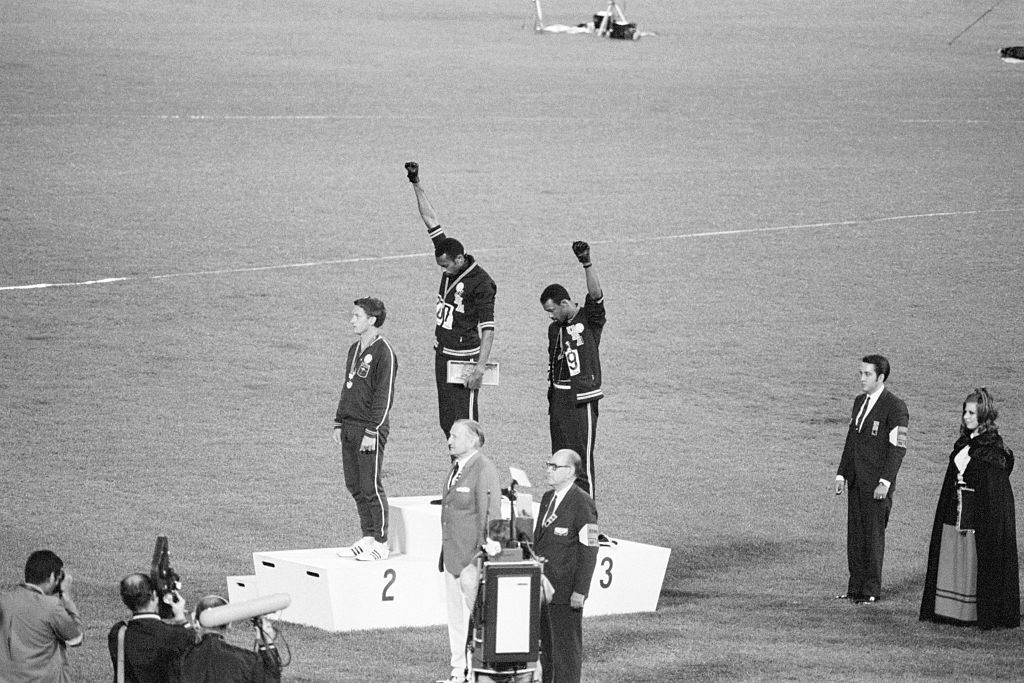 Speaking to CBS Sports, Berry emphasised the bigger picture to reporters:
“My purpose and mission “bigger than sports. I’m here to represent those... who died due to systemic racism. That's the important part. That's why I'm going [to Tokyo 2020]. That's why I'm here today. What I need to do is speak for my community, to represent my community and to help my community. Because that’s more important than sports”
Berry may have qualified for the Olympics but, as she says, there are much bigger fish to fry than the competition.
Speaking to CBS Sports, Berry emphasised the bigger picture to reporters:
“My purpose and mission “bigger than sports. I’m here to represent those... who died due to systemic racism. That's the important part. That's why I'm going [to Tokyo 2020]. That's why I'm here today. What I need to do is speak for my community, to represent my community and to help my community. Because that’s more important than sports”
Berry may have qualified for the Olympics but, as she says, there are much bigger fish to fry than the competition.
Football
Football
Football

Football
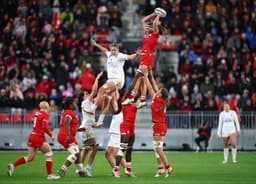
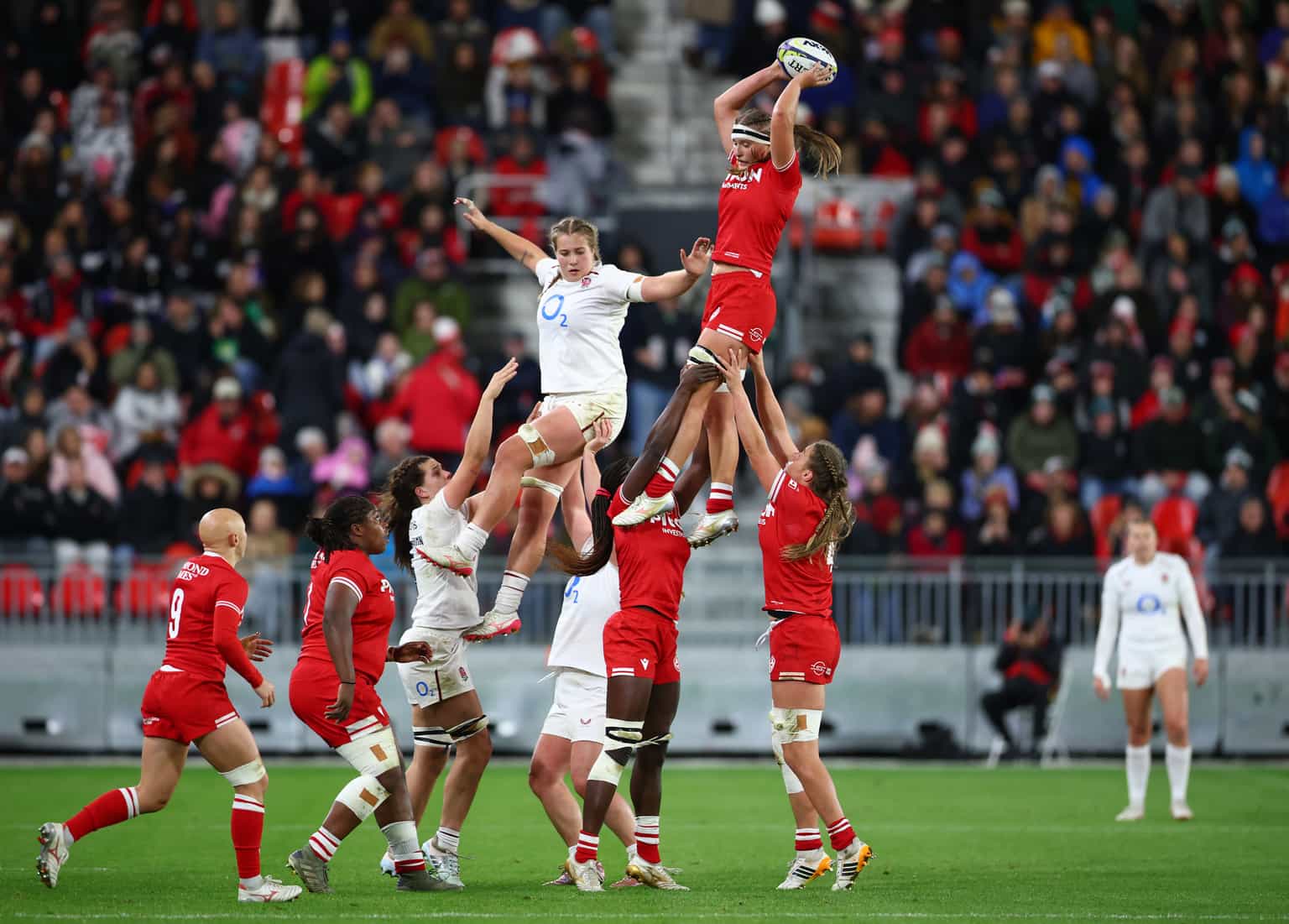
Red Roses Canada loss ends England’s 41-match unbeaten run
Canada seals historic win over England England’s dominance in women’s rugby has finally been brought to an end, with Canada producing a stunning late comeback to claim a 24-21 victory in front of thousands of fans in Toronto. The decisive moment arrived with only three minutes left on the clock, when Shoshanah Seumanutafa crossed for […]
Football
1 day ago
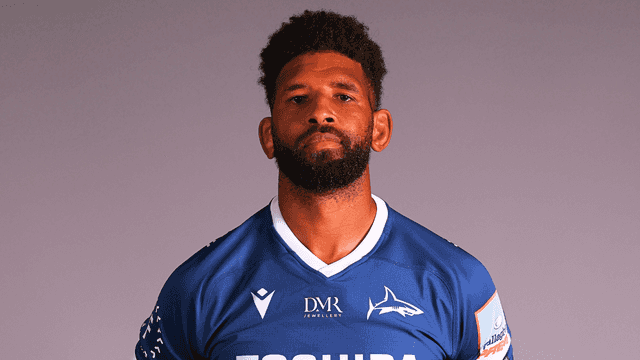
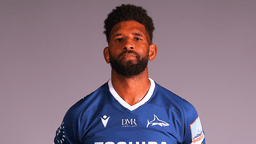
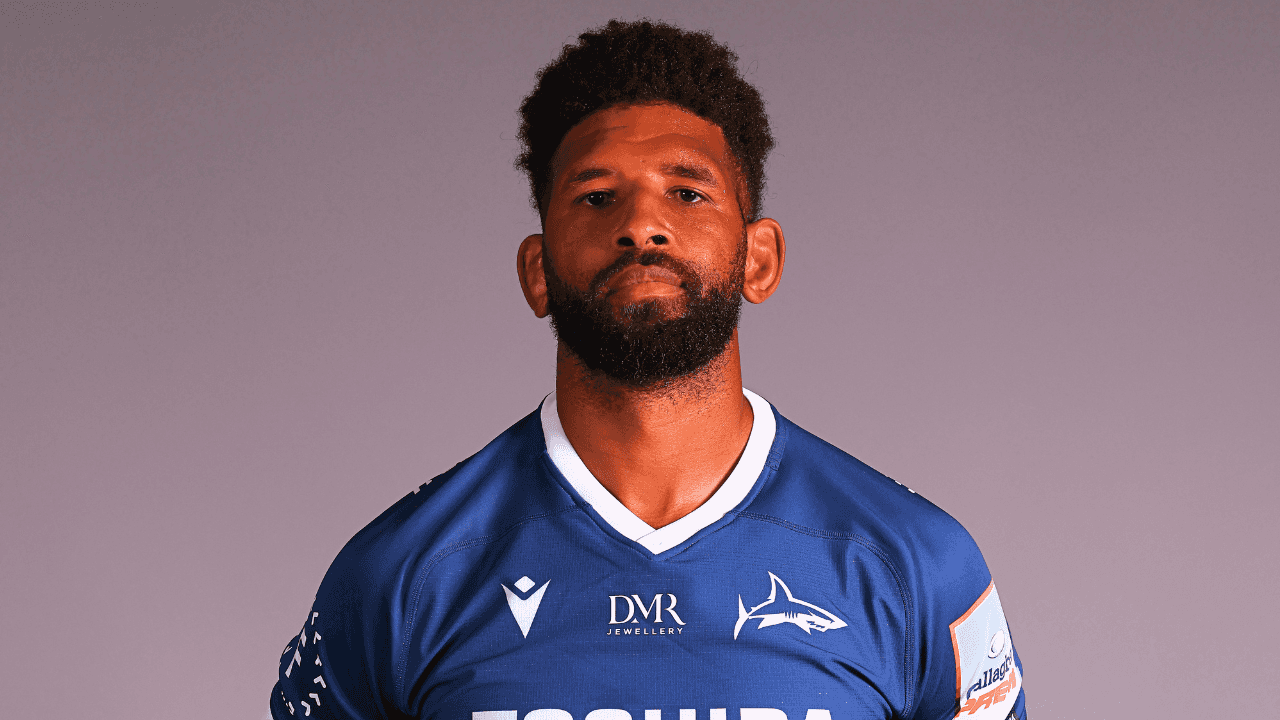
Former Sale Sharks player Hyron Andrews dies at team hotel in France
He was just 31 years old Former Sale Sharks player Hyron Andrews has died aged 31 at his team hotel in France. As reported by Ici La Rochelle, Andrews, a member of the South African team Lions, was found in the squad hotel on l’île de Ré, an island just off the coast of the […]
Football
2 days ago
Rees-Zammit demands end to artificial rugby pitches
Football